
P000B Ford F-150 EcoBoost: Fix Fuel Regulator Circuit Range | UR800 Guide

P000B: Fuel Volume Regulator Control Circuit Range/Performance
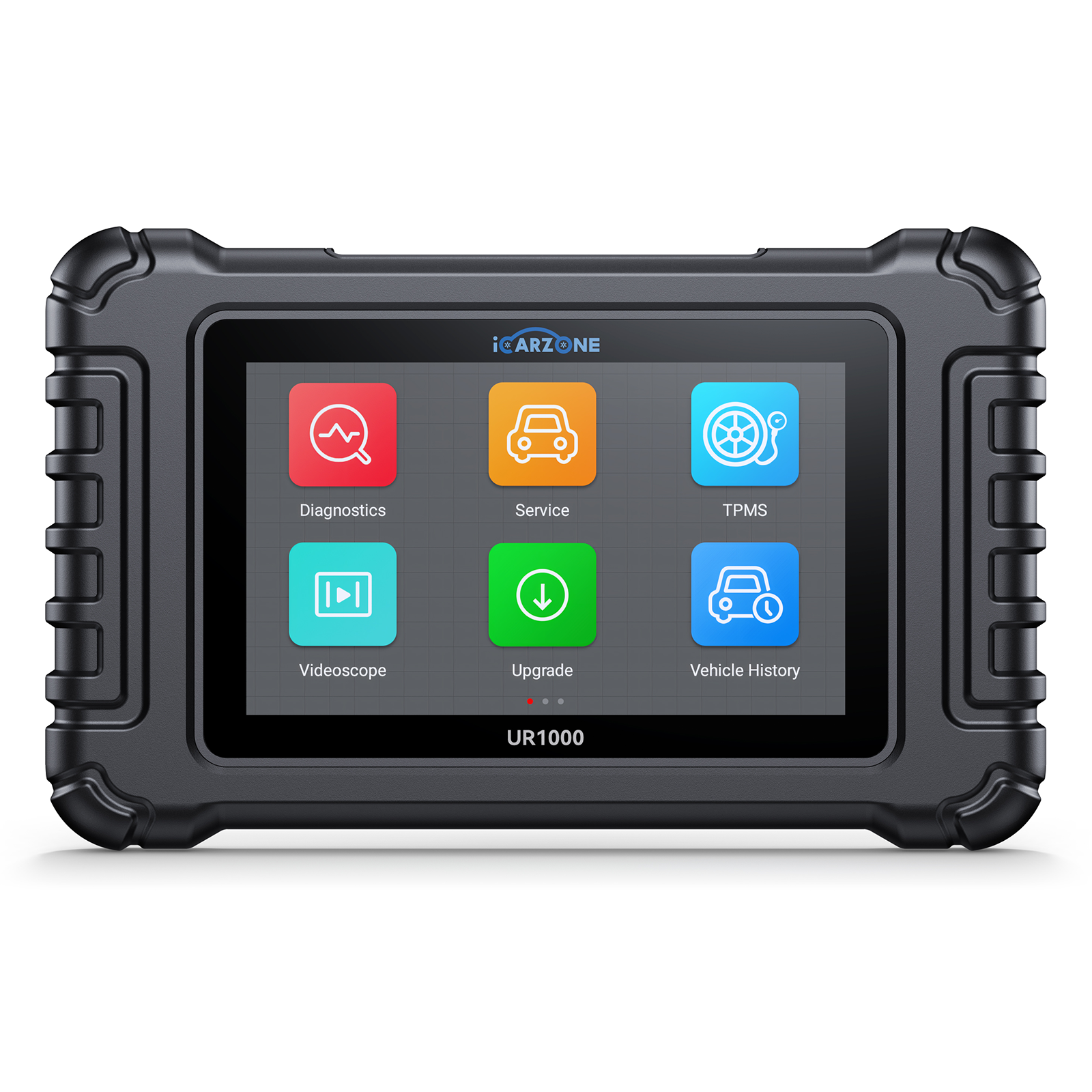
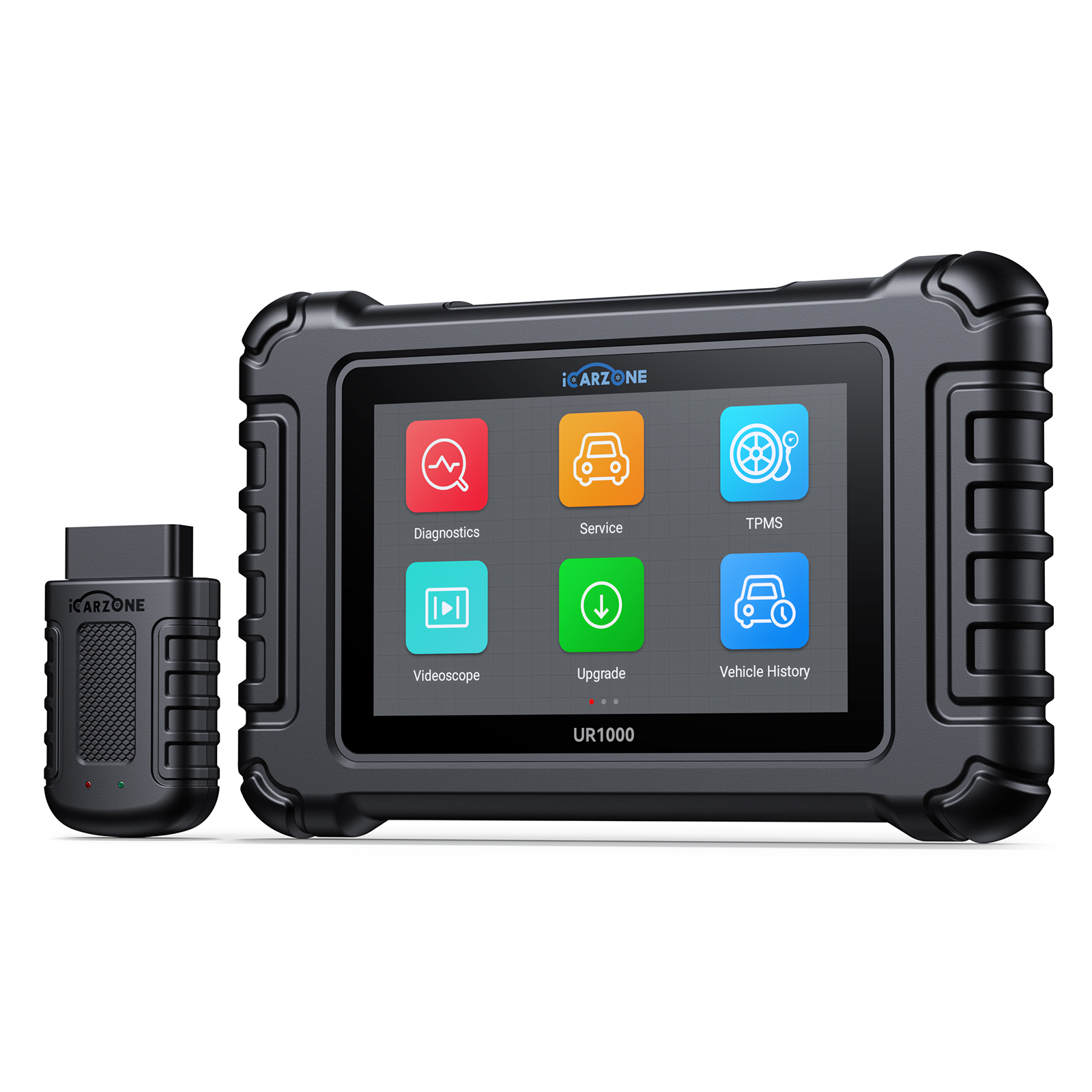
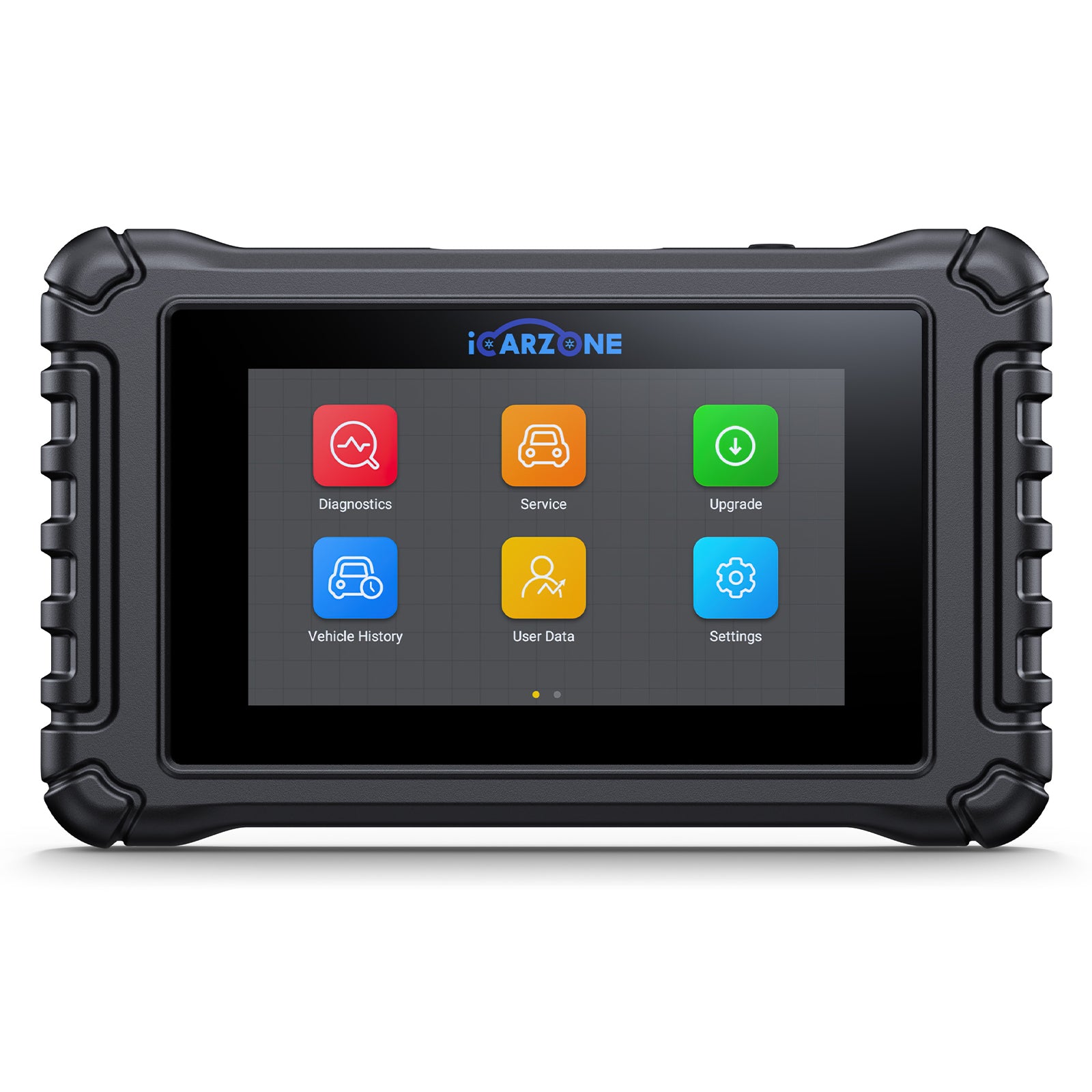
Resolve P000B in Ford F-150 EcoBoost. Learn causes, symptoms, and fixes for the fuel regulator circuit issue with practical steps and the UR800 diagnostic tool.
Get UR800 Diagnostic Tool1. What is P000B?
P000B is a Diagnostic Trouble Code indicating Fuel Volume Regulator Control Circuit Range/Performance. The fuel volume regulator (FVR) adjusts fuel pressure for engine demand; P000B triggers when the ECM detects the regulator’s electrical signal is outside the normal operating range (too high or too low).
Why It Matters for Ford F-150 EcoBoost
EcoBoost engines rely on precise fuel pressure (50–65 psi at idle) for turbocharged combustion. A FVR circuit outside range (P000B) causes erratic fuel delivery, leading to performance loss and potential engine damage—using targeted diagnostics like fix P000B on F-150 3.5L EcoBoost avoids misreplacing fuel system parts.
2. Common Causes in Ford F-150 EcoBoost
P000B is prevalent in 2017–2024 Ford F-150 EcoBoost models. Real-world causes and examples include:
- Dirty/Failing Fuel Volume Regulator — Example: 2020 F-150 3.5L with 80,000 miles had debris-clogged FVR; replacement (Ford #HC3Z-9C968-A) restored pressure control.
- Wiring Resistance Issues — Example: 2019 F-150 2.7L with corroded FVR wiring showing 2.5Ω resistance (normal: <0.5Ω); harness repair resolved signal range issues.
- Fuel Pump Degradation — Example: 2018 F-150 with weak fuel pump (40 psi at idle) causing FVR overcompensation; new pump restored proper pressure range.
- ECM Calibration Errors — Example: 2021 F-150 PowerBoost with outdated ECM software; reflash per Ford TSB 22-14-02 fixed FVR signal interpretation.
- Loose Connector Pins — Example: After fuel system service, a loose FVR connector caused intermittent high resistance; reseating pins with terminal tool fixed P000B.
3. Key Symptoms in Ford F-150 EcoBoost
Owners typically notice these P000B-related symptoms, especially during acceleration or load changes:
- Check Engine Light illuminated with P000B (may pair with P0191/P0193 fuel pressure codes)
- Intermittent hesitation during acceleration
- Fuel pressure fluctuations (visible via UR800 live data)
- Reduced fuel economy (2–4 mpg drop in severe cases)
- Turbo lag or inconsistent boost pressure
4. Ford F-150 Models Prone to P000B
While P000B can affect any F-150, these EcoBoost variants show higher incidence:
- 2017–2022 F-150 3.5L EcoBoost (high fuel pressure demands for twin turbos)
- 2021–2024 F-150 PowerBoost Hybrid (complex FVR integration with hybrid systems)
- 2018–2024 F-150 2.7L EcoBoost with 60,000+ miles (FVR wear from frequent pressure adjustments)
- F-150s using low-quality fuel (contaminants accelerate FVR degradation)
Ford TSB 22-14-02 addresses P000B in 2020–2023 F-150 EcoBoost models, recommending ECM updates and FVR cleaning procedures.
5. Diagnostic Steps (Ford F-150 Focus) with UR800
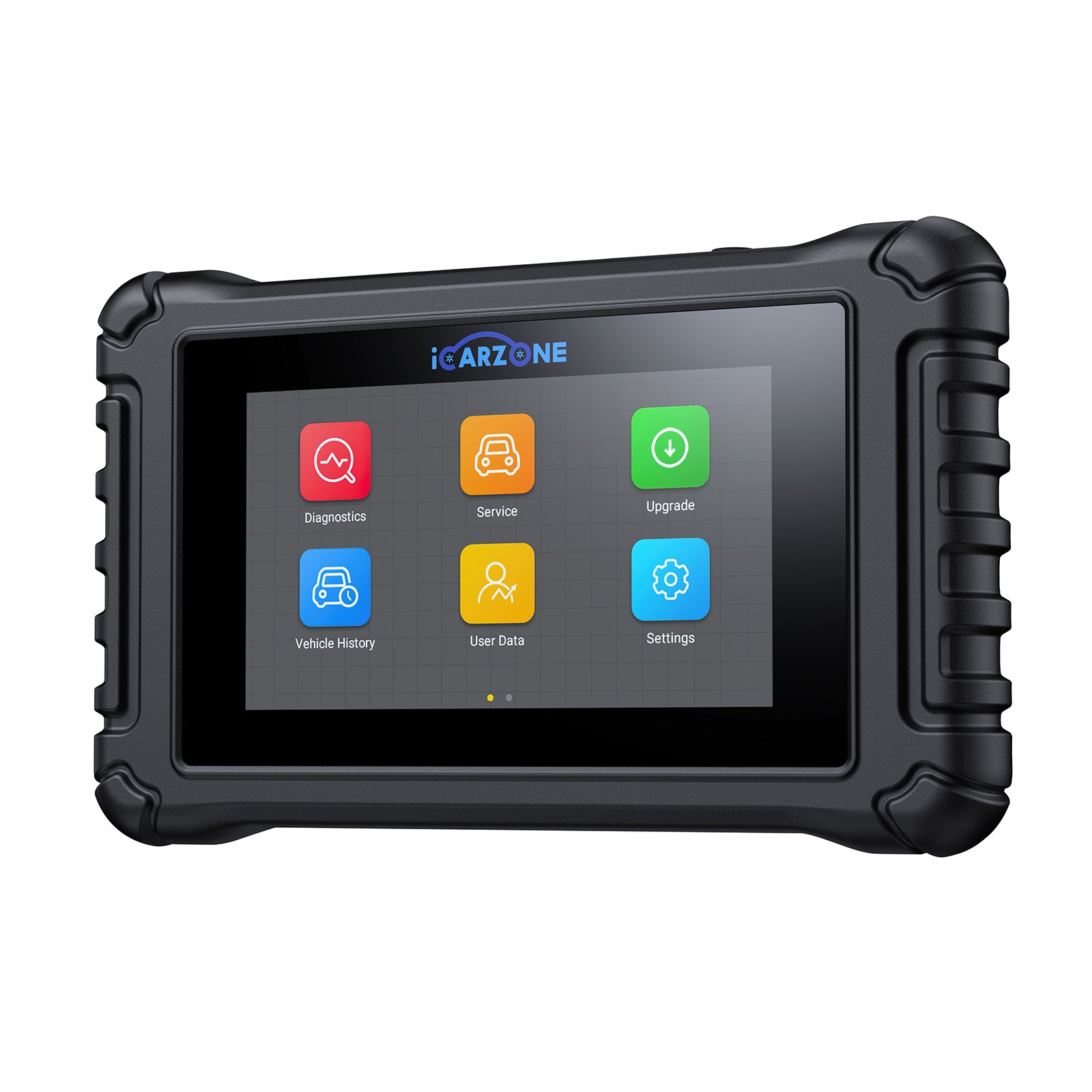
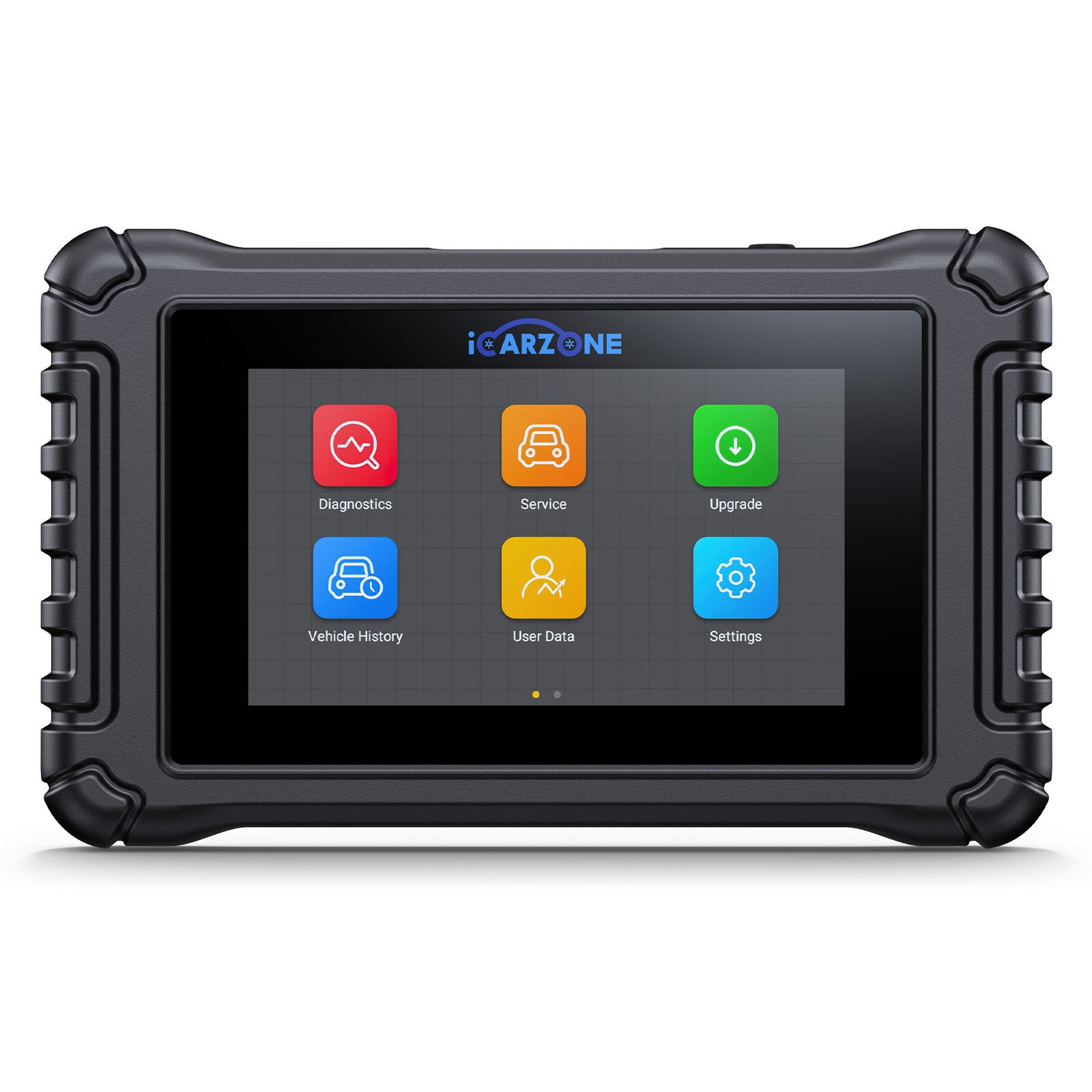
Use UR800 to test FVR circuit range and distinguish between mechanical, electrical, or software issues:
| Step | Action with UR800 | F-150 Goal | Pass/Fail Criteria |
|---|---|---|---|
| 1 | Full System Scan > Select "Ford" > "F-150" > "Fuel System" | Confirm P000B and check for related pressure codes (P0191, P0193) | Pass: Single P000B | Fail: Multiple codes indicating systemic issues |
| 2 | Live Data > "FVR Command Signal" & "Actual Fuel Pressure" | Verify signal voltage (0.5–4.5V) and pressure (50–65 psi at idle) | Pass: Signal/pressure in range | Fail: Signal <0.5V or >4.5V (range fault) |
| 3 | Circuit Test > "FVR Wiring Resistance" | Measure resistance between FVR connector and ECM (target: <0.5Ω) | Pass: Low resistance | Fail: High resistance (wiring/corrosion issue) |
| 4 | Fuel Pump Test > "Base Pressure Verification" | Check pump output with FVR disconnected (should maintain 55–60 psi) | Pass: Stable pressure | Fail: Low/fluctuating pressure (pump issue) |
| 5 | ECM Software Check > "Calibration Version" | Confirm ECM has latest update (per Ford TSB 22-14-02) | Pass: Latest version installed | Fail: Requires reflash to fix range logic |
Case Example: A 2019 F-150 3.5L with P000B showed FVR signal voltage spiking to 5.2V via UR800. Cleaning corrosion from the connector reduced resistance and restored normal signal range, clearing the code.
Diagnose F-150 P000B with UR8006. Fixes & Execution for Ford F-150 EcoBoost
Fix depends on UR800 test results. Most P000B cases resolve with these steps:
- Clean/Replace Fuel Volume Regulator — Remove and clean FVR with fuel system cleaner; replace with OEM unit (Ford #HC3Z-9C968-A) if contaminated.
- Repair FVR Wiring Harness — Splice damaged sections with heat-shrink connectors; replace harness if corrosion is severe (Ford #WPT-1693).
- Service Fuel Pump — Replace pump if base pressure is low (OEM spec: 55–60 psi); use Ford #HC3Z-9H307-A for 3.5L EcoBoost.
- ECM Reflash — Update software per Ford TSB 22-14-02 to correct FVR signal interpretation.
- Connector Repair — Reshape bent pins with terminal tool; apply dielectric grease to prevent future corrosion.
F-150-Specific Workflow
- Always test fuel pump pressure first—25% of P000B cases stem from pump issues, not FVR failure.
- Relieve fuel system pressure using UR800’s "Pressure Relief" function before disconnecting FVR components.
- After repairs, monitor FVR signal voltage with UR800 during a 30-minute test drive (idle + highway + towing simulation).
7. Repair Costs & Safety Tips for Ford F-150
OEM Fuel Volume Regulator: $85–$200 (varies by engine size)
Fuel Pump Replacement: $180–$350 (DIY) / $400–$650 (professional)
Wiring Repair Kit: $15–$40
ECM Reflash (Dealer): $150–$250
Professional FVR Service: $250–$450 (parts + labor)
Critical Safety Precautions
- Relieve fuel system pressure before disconnecting any fuel components to prevent spray.
- Work in a well-ventilated area—fuel vapors are flammable; keep ignition sources away.
- Disconnect the negative battery terminal when working on electrical connections.
- Use only OEM or OEM-equivalent FVRs—aftermarket units often cause signal range issues.
8. Preventive Maintenance for Ford F-150 P000B
Reduce P000B risk with these proactive steps:
- Use top-tier gasoline (91+ octane) and add fuel system cleaner every 10,000 miles to prevent FVR contamination.
- Replace fuel filter every 60,000 miles—clogged filters strain FVR and fuel pump.
- Inspect FVR wiring and connector annually—clean with electrical contact cleaner if corrosion is present.
- Update ECM software during routine service—addresses factory-identified FVR calibration issues.
- Test fuel pressure with UR800 every 30,000 miles to catch pump/FVR degradation early.
9. Frequently Asked Questions
Short trips may be possible, but intermittent fuel pressure can cause stalling. Address promptly to avoid being stranded.
If caused by mild FVR contamination, yes. For electrical/wiring issues, cleaner won’t help—use UR800 to diagnose first.
Yes—fuel system components are typically covered under powertrain warranties (5–6 years/60,000–100,000 miles).
UR800 measures FVR signal voltage, fuel pressure, and wiring resistance to identify whether P000B is from mechanical or electrical issues.
Typically 80,000–120,000 miles with proper fuel maintenance. Towing or low-quality fuel shortens lifespan.
Yes—cold thickens fuel, increasing FVR workload. Weak components may fail to maintain signal range in low temperatures.
10. Summary
P000B (Fuel Volume Regulator Control Circuit Range/Performance) is a critical fuel system code in Ford F-150 EcoBoost models, causing erratic performance and fuel inefficiency. Using the UR800 diagnostic tool—with its signal voltage monitoring, pressure testing, and circuit checks—allows accurate diagnosis of whether the issue is a contaminated FVR, wiring problem, weak fuel pump, or ECM calibration error. Most cases resolve with FVR cleaning/replacement, wiring repair, or software updates. Promptly fixing P000B ensures reliable fuel delivery and protects the EcoBoost engine from damage.
Diagnose P000B with UR800
UR800 provides FVR signal testing, fuel pressure monitoring, and circuit checks to quickly identify whether P000B is caused by mechanical faults, electrical issues, or software errors—saving time and avoiding unnecessary parts replacement.
Order UR800 Today```