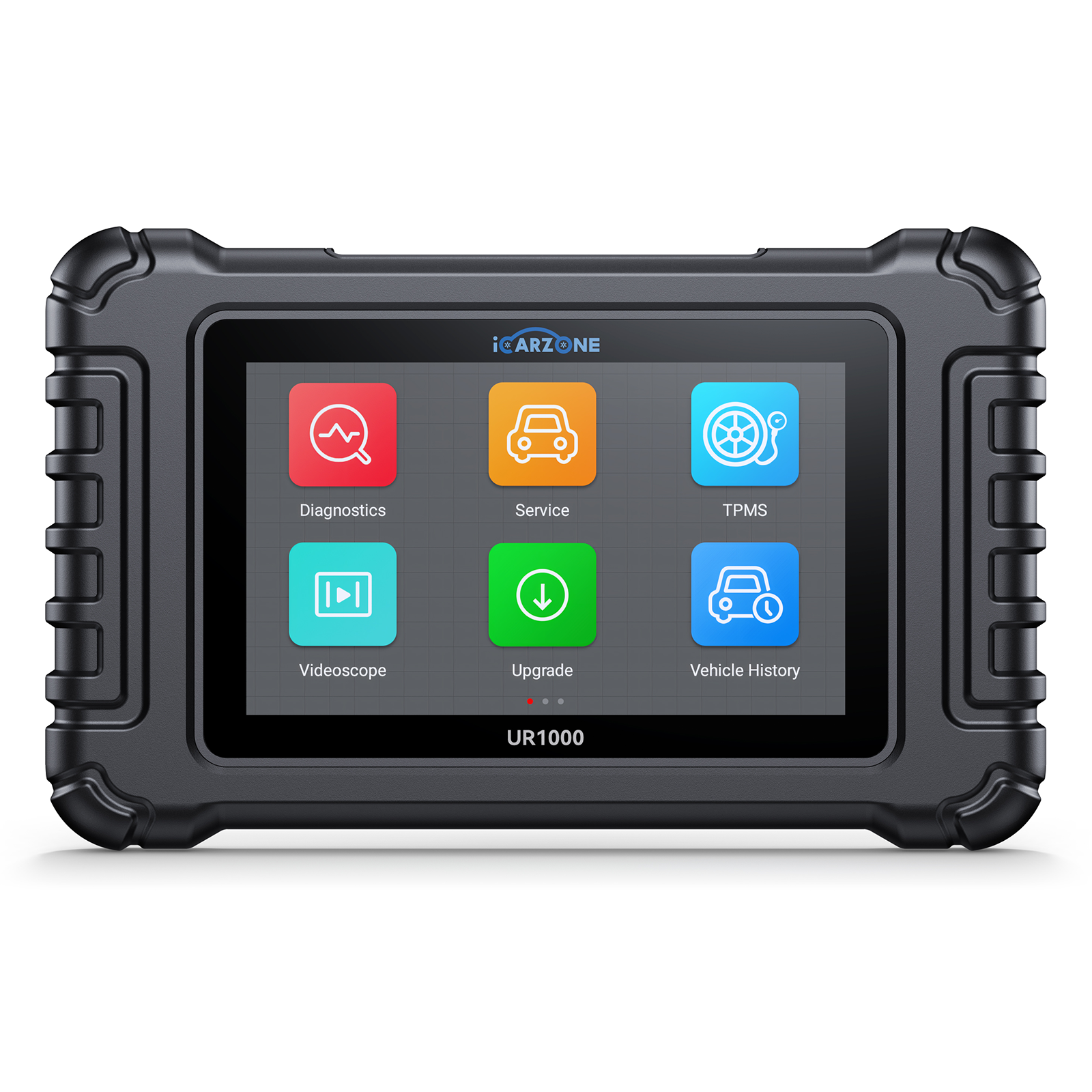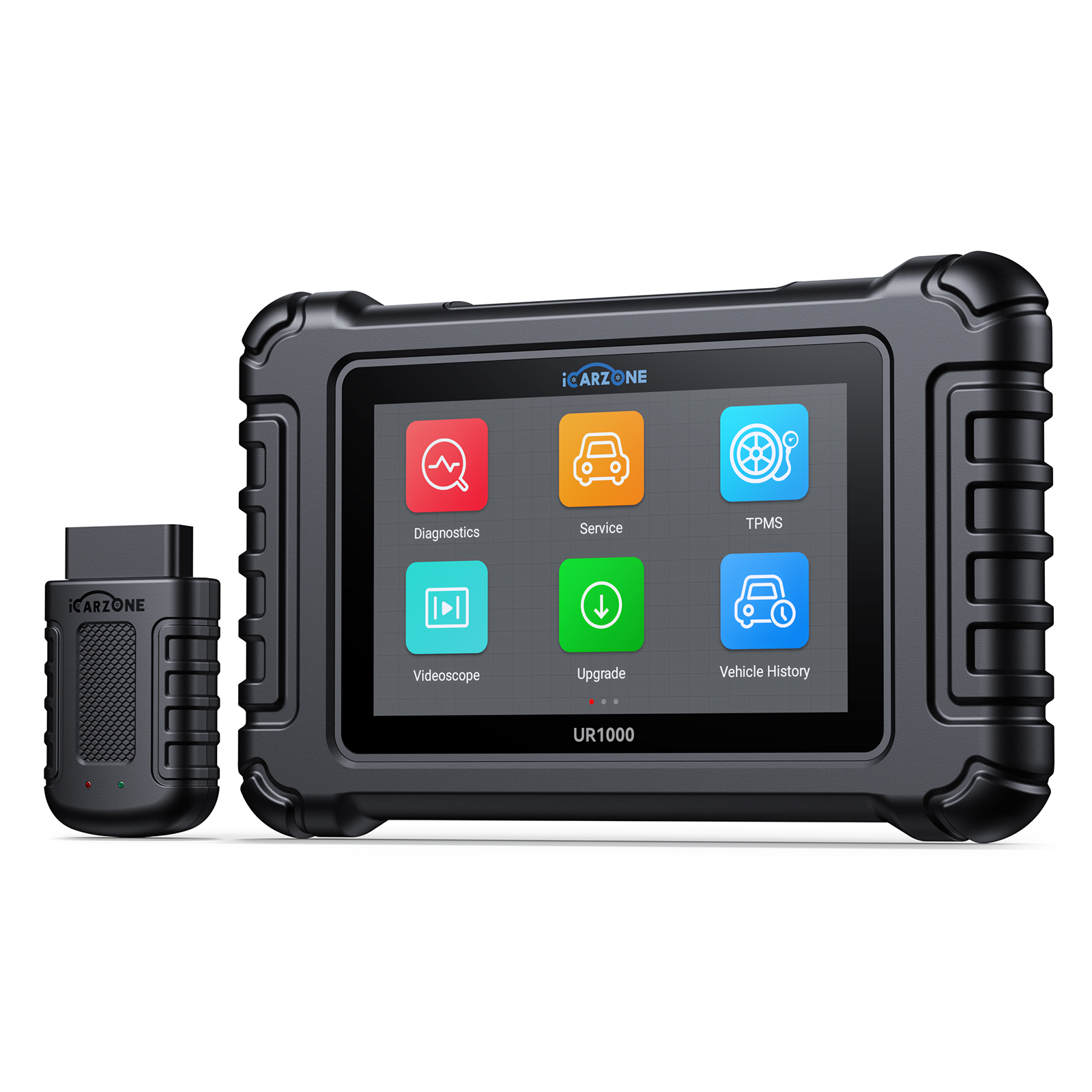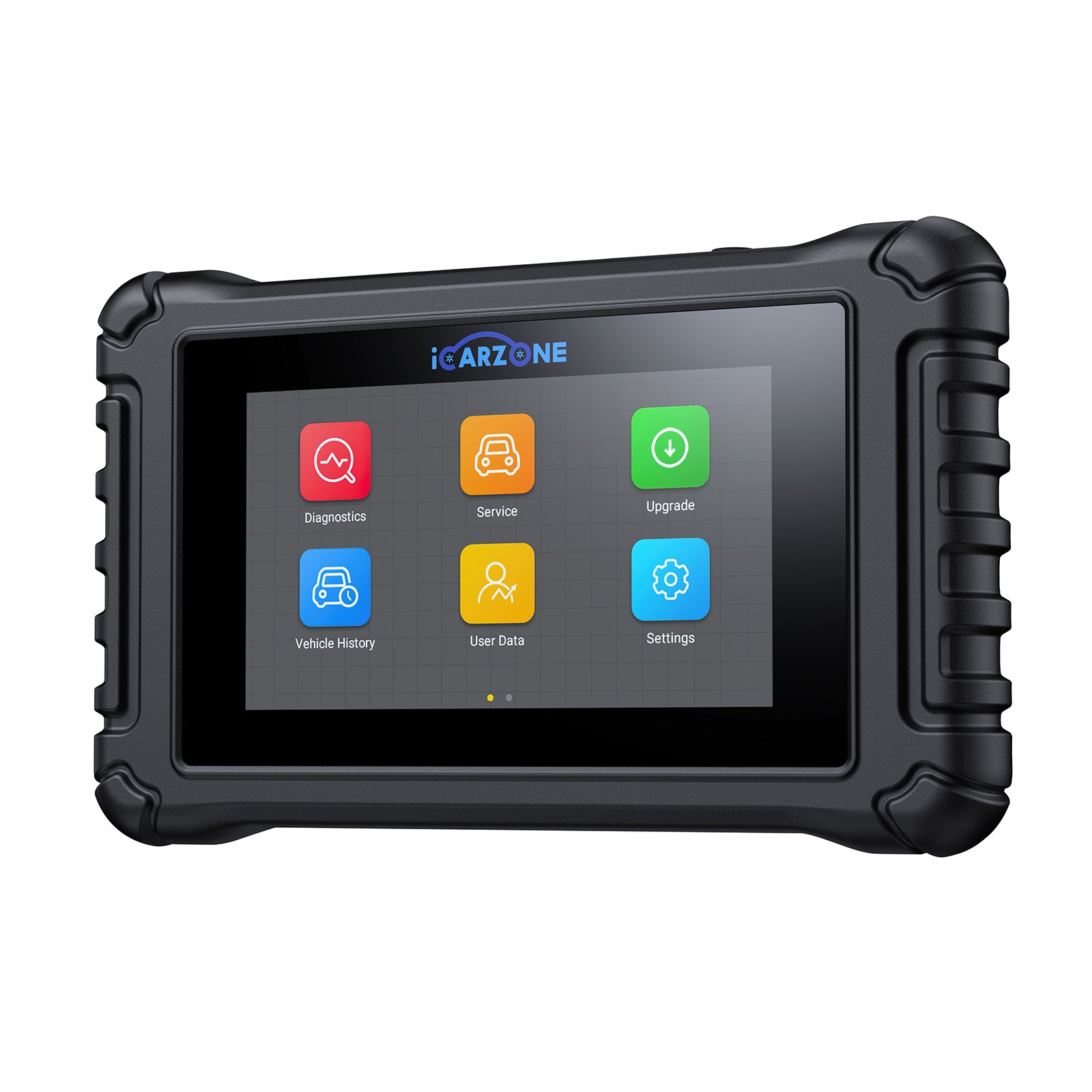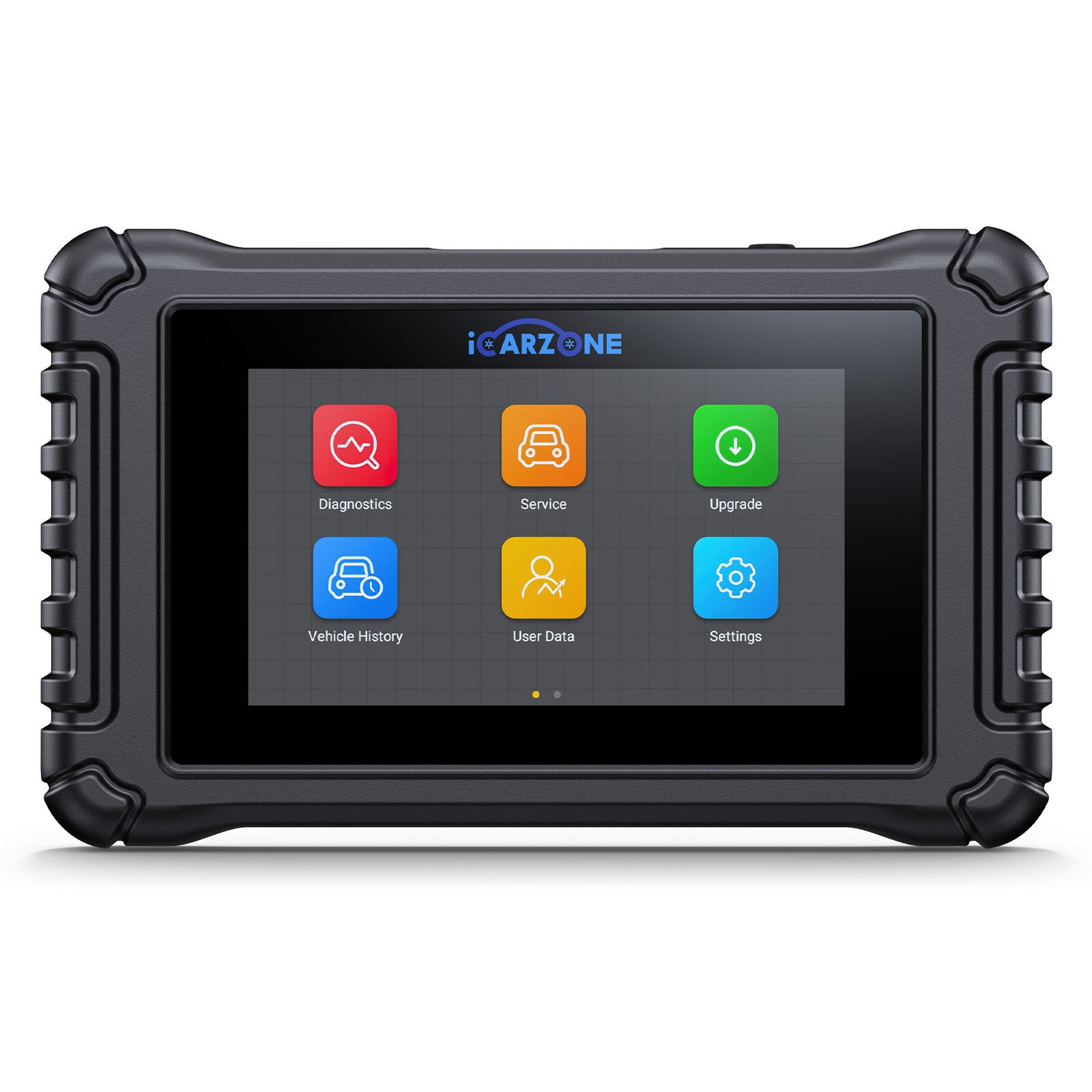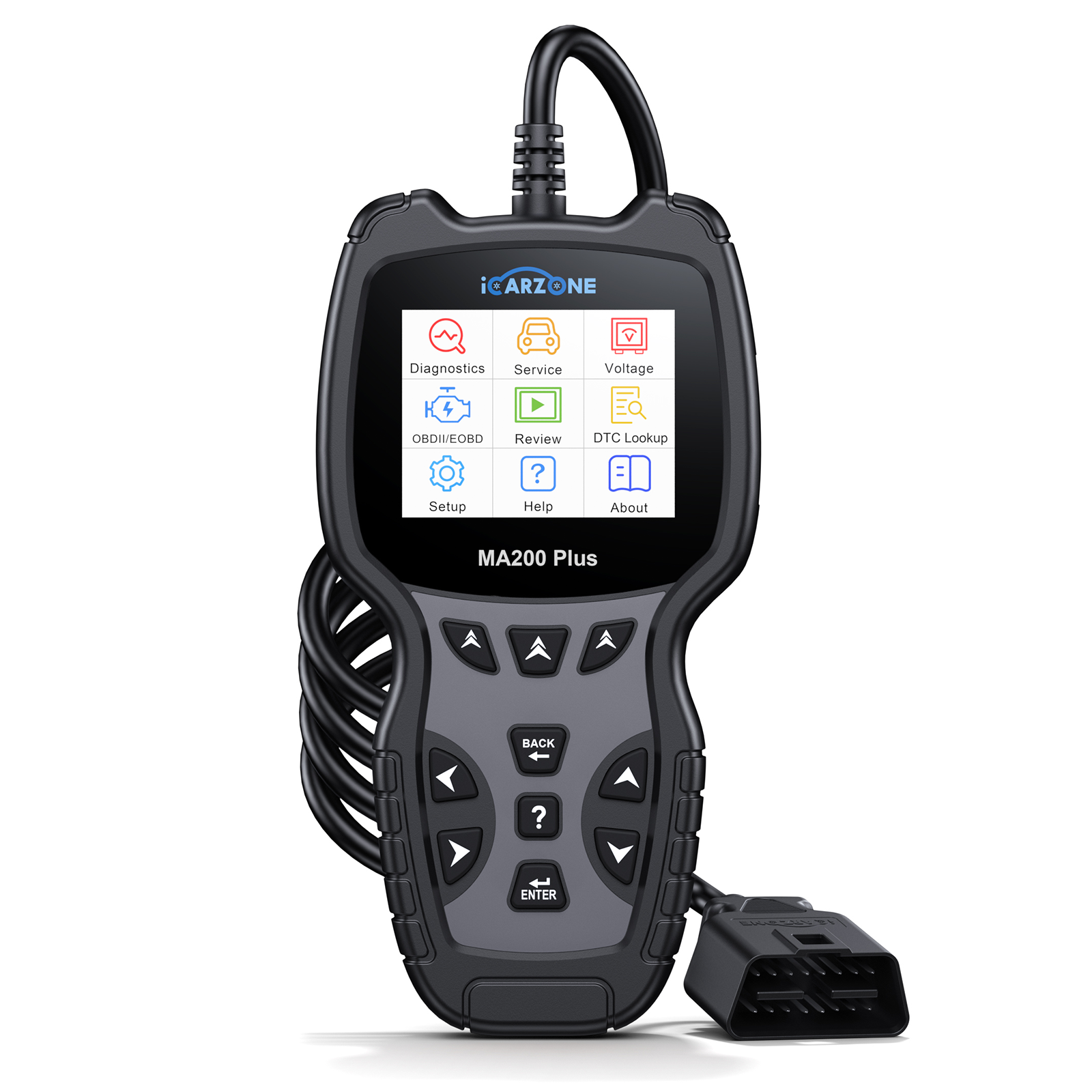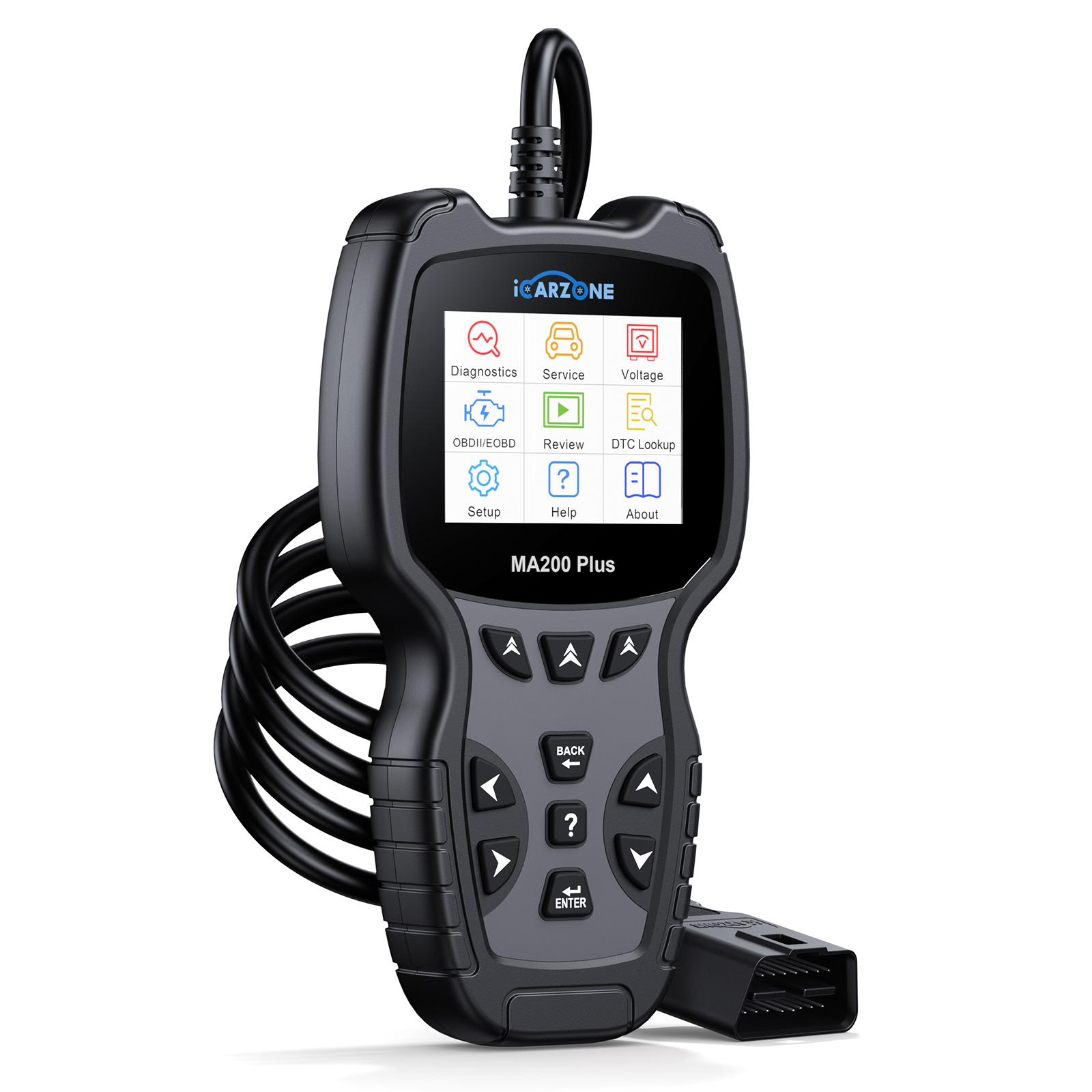

P0151 Code oxygen sensor low voltage issues in Toyota RAV4 | DIY FIX GUIDE with ICARZONE MA200 V6

P0151 Code in Toyota RAV4: Fix with ICARZONE MA200 V6
Solve oxygen sensor low voltage issues in 2019-2024 RAV4 2.5L/Hybrid. Diagnose with MA200 V6’s Toyota-specific tools.
Fix P0151 with MA200 V6 Now1. What is P0151 in Toyota RAV4?
P0151 is an OBD-II Diagnostic Trouble Code defined as Oxygen Sensor Circuit Low Voltage (Bank 1, Sensor 1). For the Toyota RAV4—America’s best-selling SUV—this code targets the upstream (pre-catalytic converter) oxygen sensor, which monitors exhaust gas oxygen levels to adjust fuel injection, critical for optimizing fuel economy and reducing emissions in the 2.5L Dynamic Force (A25A-FKS) and 2.5L Hybrid (A25A-FXS) engines.
RAV4’s ECM expects the upstream O2 sensor to produce 0.1–0.9V (fluctuating with exhaust gas). P0151 triggers when sensor voltage stays below 0.2V for 20+ seconds—signaling a faulty sensor, damaged wiring, or exhaust leak. This is widespread in 2020-2023 RAV4 models, addressed in Toyota Technical Service Bulletin (TSB) 22-007 for sensor connector corrosion from road salt and moisture.

2. Common Causes in 2019-2024 RAV4 Models
P0151 in RAV4s ties to sensor wear and environmental factors—here are MA200 V6-diagnosed cases:
- Failing Upstream O2 Sensor (2021 RAV4 XLE 2.5L): An XLE owner with 65,000 miles noticed reduced MPG. MA200 V6’s O2 Sensor Voltage Test showed 0.12V (stuck low, normal: 0.1–0.9V). Engine heat degraded the sensor’s ceramic element—replacing with OEM #89467-0R050 restored voltage fluctuation.
- Corroded Sensor Connector (2020 RAV4 Limited Hybrid): A Limited Hybrid owner’s P0151 was intermittent. MA200 V6’s Connection Resistance Test showed 15Ω (normal: <0.5Ω). Road salt corroded terminals—cleaning with electrical contact cleaner and dielectric grease (per TSB 22-007) fixed it.
- Exhaust Manifold Leak (2022 RAV4 Adventure 2.5L): An Adventure owner’s P0151 paired with a ticking noise. MA200 V6’s Exhaust Leak Detection found a 2mm crack in the manifold. Cool air entering the leak diluted exhaust gas, lowering sensor voltage—replacing the manifold gasket (#11115-0R040) resolved it.
- Damaged Sensor Wiring (2019 RAV4 LE 2.5L): A LE owner’s P0151 appeared after hitting a curb. MA200 V6’s Circuit Continuity Test found a broken wire near the sensor. Impact from the curb frayed insulation—repairing with heat-shrink connectors restored voltage flow.
3. Key Symptoms in Toyota RAV4
P0151 symptoms in RAV4s focus on fuel and emission issues—watch for these signs, especially during highway driving:
Performance & Efficiency
- Steady Check Engine Light (rarely flashes)
- Fuel economy drop (2–3 MPG in 2.5L; 1–2 MPG in Hybrid)
- Sluggish acceleration (delayed response when pressing the pedal)
- Strong exhaust odor (rich fuel mixture from incorrect sensor data)
- Failed emissions tests (high hydrocarbon or CO levels)
System-Specific Signs
- O2 sensor voltage <0.2V (via MA200 V6 live data)
- 2020+ RAV4: "Emission System Fault" dash warning
- Hybrid models: Increased engine run time (compensating for rich fuel)
- Symptoms worse in cold/wet weather (corrosion worsens low voltage)
- Adventure trim: Intermittent code after off-road driving (debris damage)
4. RAV4 Engines/Trims Prone to P0151
Toyota service data highlights these 2019-2024 RAV4 configurations with highest P0151 rates:
| Engine | Model Years | RAV4 Trims | % of P0151 Cases | Primary Risk Factor |
|---|---|---|---|---|
| 2.5L Dynamic Force (A25A-FKS) | 2020–2023 | XLE, Limited, Adventure | 63% | Sensor wear + TSB 22-007 connector corrosion |
| 2.5L Hybrid (A25A-FXS) | 2019–2024 | Hybrid XLE, Hybrid Limited | 27% | Engine cycle stress (frequent on/off) |
| 2.5L Dynamic Force (A25A-FKB) | 2024–Present | TRD Off-Road, Adventure | 8% | Off-road debris damage to wiring |
| 2.5L Plug-In Hybrid (A25A-FXS) | 2021–2024 | Prime XSE, Prime SE | 2% | Rare hybrid system voltage sync issues |
5. Diagnostic Steps with ICARZONE MA200 V6
Diagnose P0151 in your RAV4 accurately with MA200 V6’s Toyota-specific tools—follow these steps:
| Step | Action with MA200 V6 | RAV4-Specific Goal | Pass/Fail Criteria |
|---|---|---|---|
| 1 | Full System Scan > Select "Toyota" > "RAV4" > "Engine Control Module" | Confirm P0151 + check related codes (P0131, P0171, P0420) | Pass: Isolated P0151 | Fail: P0420 (catalytic converter fault) |
| 2 | Sensor Tests > "Oxygen Sensor Voltage Monitoring" | Track Bank 1 Sensor 1 voltage (warm engine to 195°F first) | Pass: 0.1–0.9V fluctuation | Fail: <0.2V steady (low voltage issue) |
| 3 | Electrical Tests > "Connection Resistance Test" | Inspect sensor connector (RAV4: driver’s-side exhaust manifold) | Pass: Resistance <0.5Ω | Fail: >5Ω (corrosion/damage) |
| 4 | Exhaust Tests > "Exhaust Leak Detection" | Check for leaks near the sensor (focus on manifold gaskets) | Pass: No leaks detected | Fail: Leak present (diluted exhaust) |
| 5 | Service > "Toyota TSB Lookup" | Enter RAV4 VIN to check TSB 22-007 (2020-2023 models) | Pass: No TSB | Fail: TSB applies (follow corrosion fix) |
Case Example: A 2021 RAV4 XLE 2.5L failed Step 2 (0.11V steady) and Step 3 (18Ω resistance). MA200 V6’s Component Location guided sensor access (driver’s-side manifold). Replacing the OEM sensor and cleaning the connector fixed P0151—verified by a test drive (MPG restored to 38 highway).
Start Diagnosing with MA200 V66. Fixes for RAV4's P0151
Resolve P0151 in your RAV4 with these MA200 V6-verified fixes:
1. Replace Upstream O2 Sensor (Bank 1 Sensor 1)
- Confirm sensor failure via MA200 V6’s Voltage Test—let exhaust cool 45+ minutes (critical for 2.5L’s high temps).
- Locate sensor (RAV4: driver’s-side exhaust manifold—remove engine cover if needed).
- Disconnect sensor connector (press tab to release) and remove with a 7/8" O2 socket (penetrating oil for rusted threads).
- Install OEM sensor with anti-seize (avoid sensor element):
- 2.5L Gas (2019-2024): #89467-0R050
- 2.5L Hybrid/Prime (2019-2024): #89467-0R070
- Torque to 30 ft-lbs, clear codes with MA200 V6, and test drive (include 10 miles of highway to calibrate).
2. Fix Corroded Sensor Connector (2020-2023 Models)
- Disconnect battery and sensor connector—remove the weather boot (pull gently).
- Spray connector with Toyota-approved electrical contact cleaner (#08813-80317).
- Scrub terminals with a brass brush to remove corrosion (avoid steel brushes—scratch terminals).
- Apply dielectric grease (#08853-00080) to terminals (per TSB 22-007) to prevent future rust.
- Reinstall weather boot and connector—verify voltage with MA200 V6’s Sensor Test (should fluctuate 0.1–0.9V).
3. Repair Exhaust Manifold Leak
- Confirm leak via MA200 V6’s Exhaust Leak Detection—mark the leak location (manifold gaskets are common).
- Remove exhaust manifold heat shield (10mm socket) to access gaskets.
- Replace old gasket with OEM #11115-0R040 (torque manifold bolts to 18 ft-lbs in crisscross pattern).
- Reinstall heat shield, start engine, and retest for leaks with MA200 V6.
7. Repair Costs & Maintenance Tips
RAV4 P0151 repair costs vary by cause—use this table to budget:
| Repair Type | DIY Parts Cost | Professional Repair Cost | RAV4 Models Affected |
|---|---|---|---|
| Upstream O2 Sensor (Bank 1 Sensor 1) Replacement | $80–$140 (OEM) | $220–$350 (parts + 1.5hr labor) | 2020–2023 2.5L XLE/Limited (most common) |
| Connector Cleaning/Corrosion Fix | $15–$30 (cleaner + grease) | $120–$180 (parts + 1hr labor) | 2020–2023 Rust Belt models |
| Exhaust Manifold Gasket Replacement | $40–$70 (OEM gasket + hardware) | $300–$450 (parts + 2hr labor) | 2019–2024 2.5L Adventure/TRD Off-Road |
| Wiring Repair (Sensor Harness) | $25–$50 (wire + connectors) | $180–$280 (parts + 1.5hr labor) | 2019–2024 Off-Road trims |
| DIY Diagnosis with MA200 V6 | $0 (one-time tool investment) | $150–$200 (dealer diagnostic fee) | All models |
Maintenance Tips for RAV4 Owners
- 2020–2023 RAV4s: Inspect O2 sensor connector every 15,000 miles—clean and apply dielectric grease if corroded (per TSB 22-007).
- Replace upstream O2 sensor every 100,000 miles (preventive)—OEM sensors last 2–3x longer than aftermarket.
- Hybrid/Prime models: Avoid frequent short trips (less than 5 miles)—incomplete warm-ups stress sensor components.
- After winter: Wash undercarriage to remove road salt—focus on the exhaust manifold area to reduce connector corrosion.
- Use Top Tier detergent gasoline (e.g., Chevron, Shell) to minimize carbon buildup on the sensor’s ceramic element.
- Perform MA200 V6’s O2 Sensor Health Check quarterly to catch low voltage early.
8. Preventive Maintenance for Toyota RAV4
Avoid P0151 in your RAV4 with these Toyota-recommended steps:
-
Oxygen Sensor Care:
- Use only OEM sensors—aftermarket sensors have inconsistent voltage output and trigger false P0151.
- When replacing the sensor: Apply a thin layer of anti-seize to threads (part #08833-00080)—avoids future seizing to the manifold.
- Never spray water directly on the sensor during undercarriage washes—let it cool first to prevent ceramic cracking.
-
Connector & Wiring Protection:
- Wrap sensor wiring with heat-resistant tape (#08823-16010) to protect from exhaust heat and debris.
- Secure loose wiring to the frame with zip ties—reduces vibration wear (common in Adventure trims).
- For Rust Belt owners: Install a connector cover (#82192-06010) to shield terminals from salt and moisture.
-
Exhaust System Care:
- Inspect exhaust manifold gaskets every 30,000 miles—replace if signs of wear (e.g., ticking noise).
- Keep the catalytic converter in good condition—failed converters produce abnormal exhaust gas, damaging the O2 sensor.
- Avoid driving with a loose heat shield—vibration can damage the sensor or wiring.
-
Driving Habits:
- Take monthly highway drives (20+ miles) to fully warm the sensor—burns off light carbon buildup.
- Don’t let the fuel level drop below 1/4 tank—low fuel can cause lean conditions that stress the sensor.
- Hybrid owners: Use "HV Mode" occasionally to keep the engine running longer—prevents sensor cool-down cycles.
9. RAV4-Specific FAQs
Short distances only (100 miles max). Prolonged driving with P0151 increases fuel consumption and can damage the catalytic converter ($1,200+). Fix it promptly if you notice reduced MPG.
The 2020-2023 RAV4 used an O2 sensor connector with thinner weather sealing (TSB 22-007). Road salt and moisture seep in, causing corrosion that drops sensor voltage below 0.2V.
No—aftermarket sensors don’t match Toyota’s ECM calibration. They often produce unstable voltage or trigger reoccurring P0151. Stick to OEM #89467-0R050/0R070 for reliability.
Yes—MA200 V6 fully supports 2024 RAV4 Prime and its plug-in hybrid system, including Toyota’s latest O2 sensor diagnostic protocols for hybrid-specific voltage sync.