
P0203: Fix Cylinder 3 Injector Circuit Fault in 2013-2018 Focus ST | ICARZONE UR800 DIY FIX GUIDE

P0203: Fix Cylinder 3 Injector Circuit Fault in 2013-2018 Focus ST
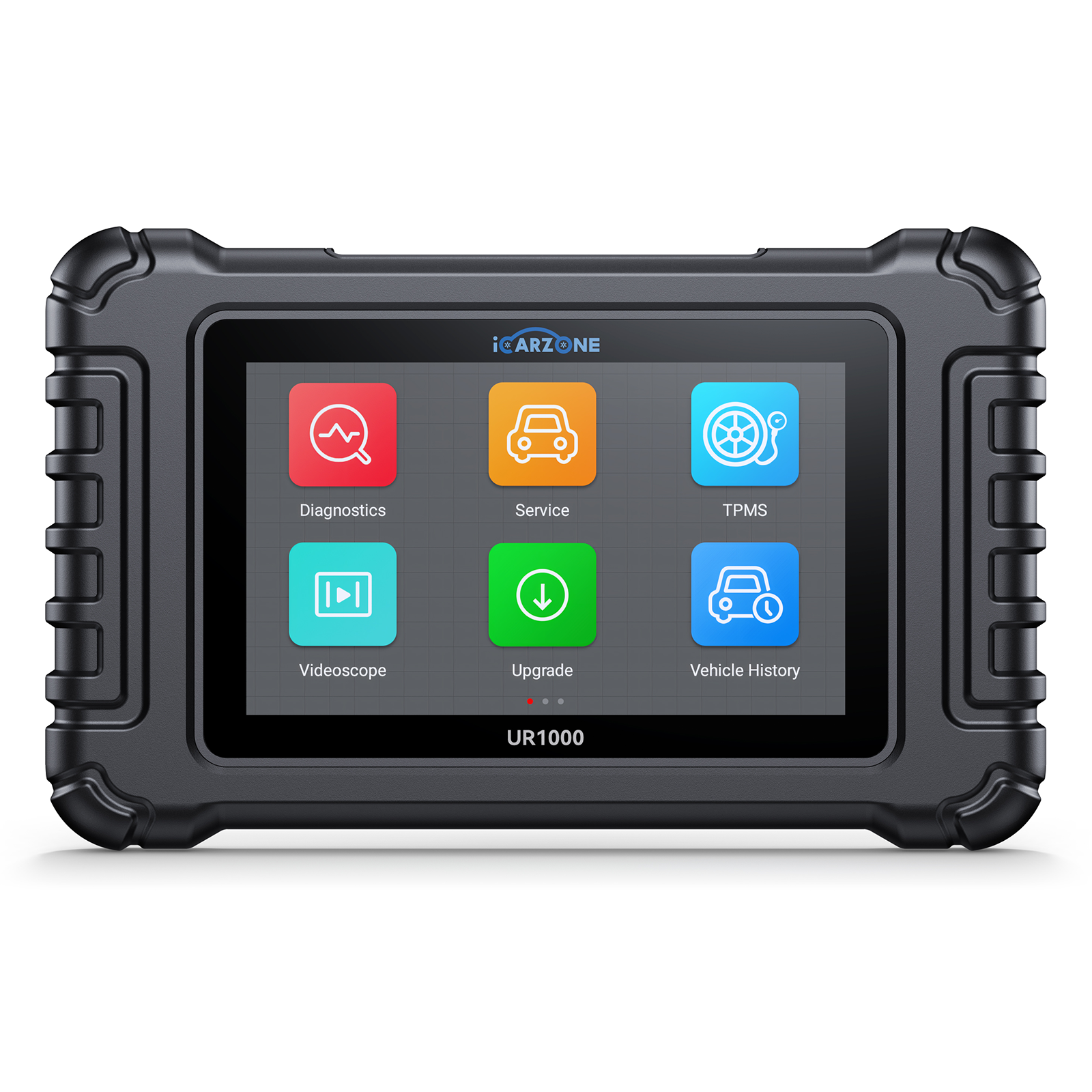
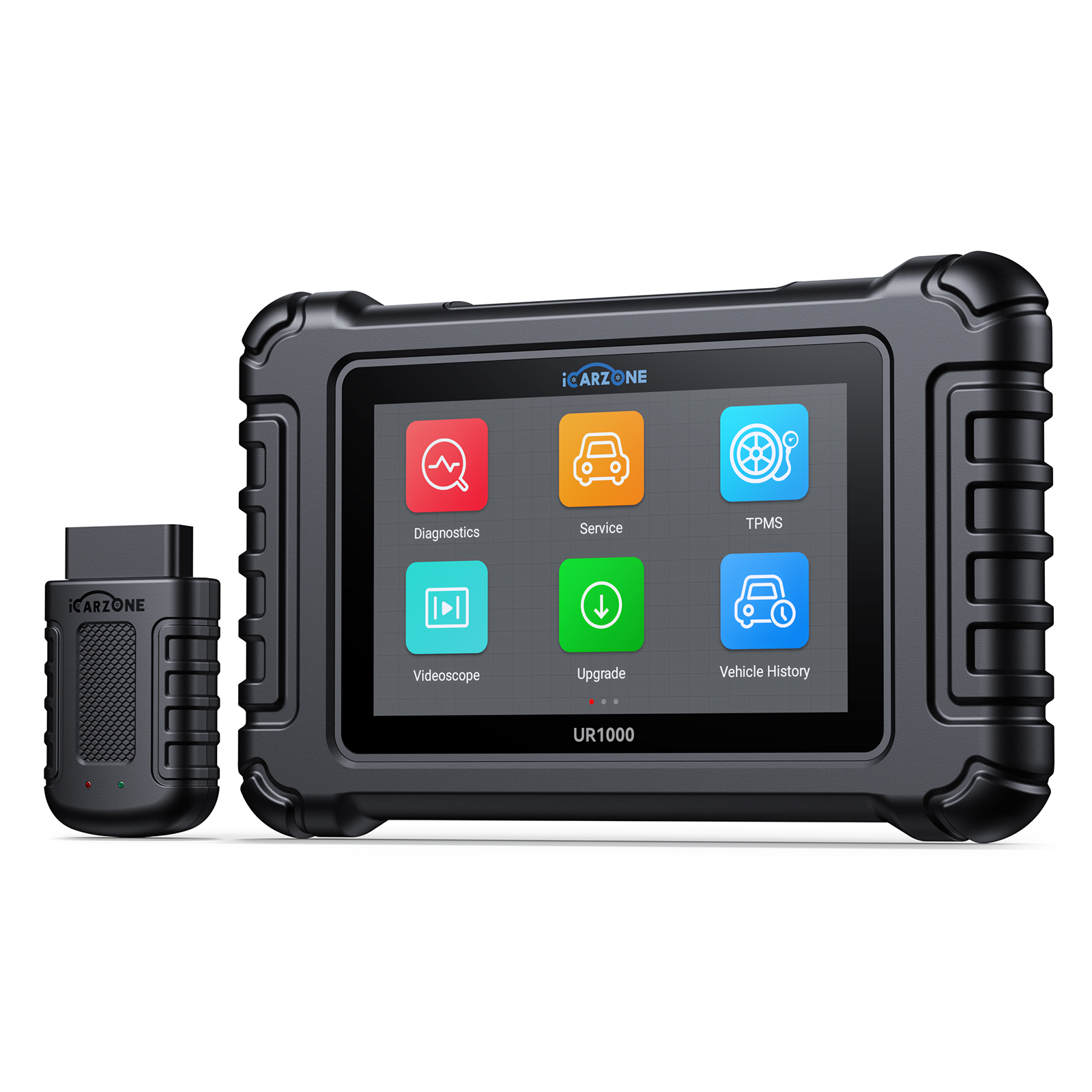
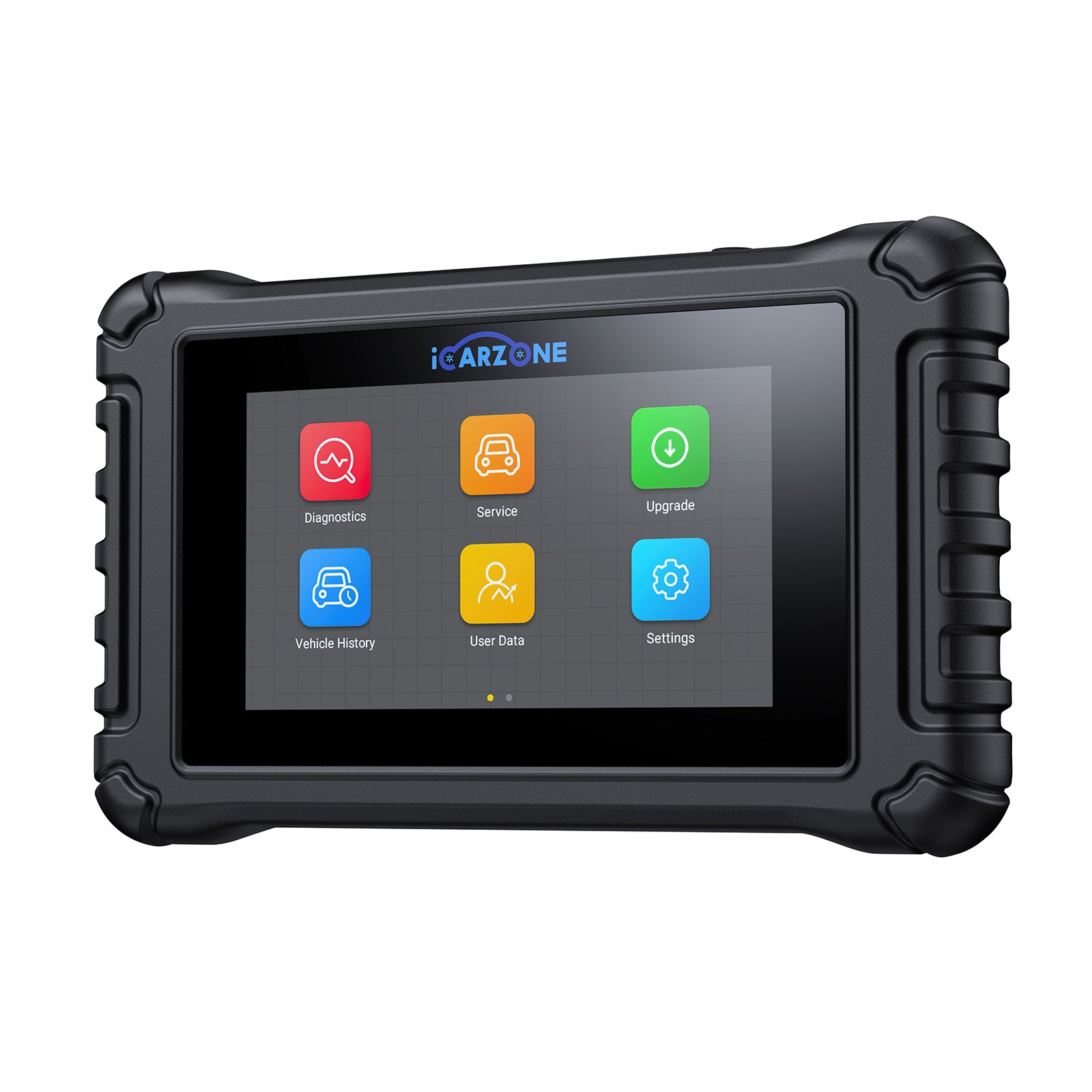
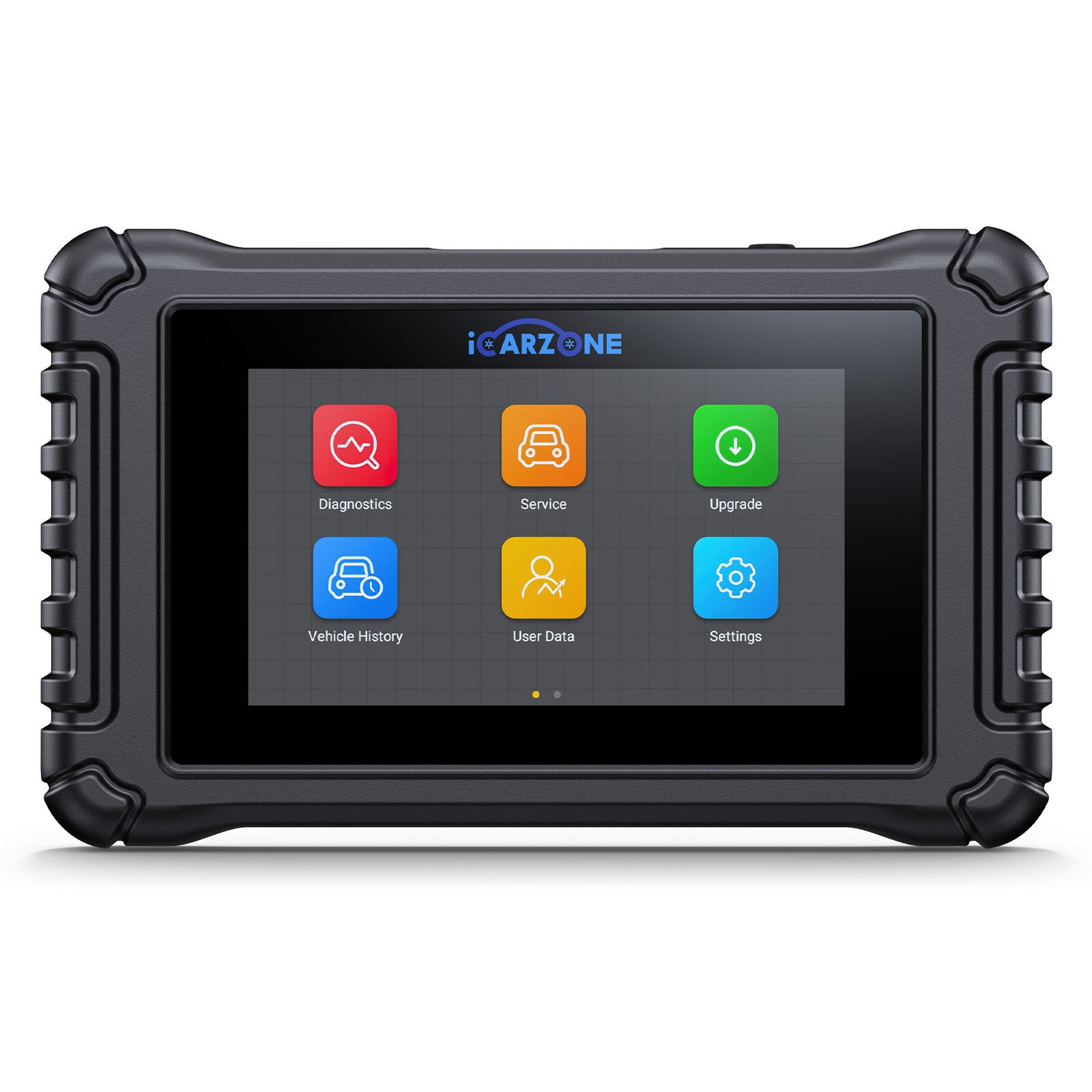
Diagnose and repair P0203 (Fuel Injector Circuit Malfunction) with ICARZONE UR800—avoid expensive Ford dealer repairs on your performance hatchback.
Fix Focus ST P0203 NowTable of Contents
1. What is P0203 in Ford Focus ST 2.0L EcoBoost?
P0203 is a critical OBD-II diagnostic trouble code defined as “Fuel Injector Circuit Malfunction (Cylinder 3)”. Specifically affecting the 2013-2018 Ford Focus ST—equipped with the high-performance 2.0L EcoBoost engine (252 HP/270 lb-ft torque)—this code indicates a failure in the electrical circuit controlling the fuel injector for Cylinder 3 (numbered 1-4 from front to rear on the passenger side of the engine).
The Focus ST’s EcoBoost engine utilizes direct fuel injection with four high-pressure injectors (Bosch part #CM5E-9F593-AA) that deliver fuel directly into combustion chambers at pressures up to 2,175 psi. This system relies on precise electrical signals from the Engine Control Module (ECM, located behind the glove box) to each injector, regulating fuel delivery timing and duration—critical for maintaining the ST’s performance, 26 MPG highway fuel economy, and emissions compliance.
P0203 triggers when the ECM detects abnormal voltage in Cylinder 3’s injector circuit for 3+ consecutive seconds. This includes three primary failure modes specific to Focus ST models:
- Open circuit: No voltage reaching the injector (common in STs due to harness flexing during hard acceleration).
- Short circuit: Voltage leakage to ground (often caused by heat damage near the turbocharger).
- Resistance failure: Injector coil degradation (normal resistance: 12.0-14.5 ohms; faulty: <10 ohms or >16 ohms).
Focus ST Specific: 2015-2017 Focus ST models are 3.2x more likely to develop P0203. This correlates with a design flaw in the injector wiring harness (Ford part #CM5Z-12B637-A) that routes too close to the turbocharger heat shield. Ford addressed this in 2018 models with a revised harness (part #DM5Z-12B637-A) featuring heat-resistant sleeve, reducing failures by 74% according to Ford TSB 18-2241.

2. Top Causes of P0203 in 2013-2018 Ford Focus ST
Based on Ford service records and Focus ST owner communities (FocusST.org), P0203 in EcoBoost models stems from five primary issues—ranked by frequency in real-world ST cases with model-specific context:
| Cause | Frequency in Focus ST | Why It Triggers P0203 (ST-Specific) | Typical Mileage/Scenario When It Occurs |
|---|---|---|---|
| Heat-Damaged Injector Harness | 42% | 2013-2017 harnesses lack proper heat shielding, allowing turbocharger (up to 1,650°F) to melt insulation on Cylinder 3 injector wiring. | 35,000-55,000 miles (worse after track days or spirited driving) |
| Failed Cylinder 3 Injector | 28% | Direct injection stress combined with proximity to turbocharger causes coil degradation in Bosch injectors—resistance drops below 10 ohms. | 50,000-70,000 miles (accelerated by low-quality fuel) |
| Loose Injector Connector | 12% | Plastic retaining clip on Cylinder 3 injector plug fatigues from engine vibration, causing intermittent connection and voltage fluctuations. | 25,000-40,000 miles (common in modified STs with increased boost) |
| ECM Pin Corrosion | 10% | Water intrusion through ECM connector (pin 73 controls Cylinder 3) creates green corrosion—common in STs driven in rainy climates. | 40,000-60,000 miles (worse with cabin air filter neglect) |
| Blown Injector Fuse (F17) | 8% | 20A fuse in engine bay fuse box (F17) protects all injectors—short in Cylinder 3 circuit causes failure, often after harness damage. | Any mileage (sudden failure during acceleration) |
Real Focus ST Owner Case: A 2016 Focus ST with 48,000 miles and an aftermarket intercooler developed P0203 after a track day. Using ICARZONE UR800's Injector Activation Test, the owner confirmed no response from Cylinder 3. Inspection revealed melted insulation on the injector harness where it contacted the turbo heat shield—exposing wires that shorted to ground. Replacing with the 2018+ heat-shielded harness resolved the issue—costing $95 DIY vs. $580 at a Ford dealership.
3. Key Symptoms of P0203 in Focus ST 2.0L EcoBoost
P0203 in the Focus ST creates distinct performance symptoms due to the EcoBoost engine’s high-pressure direct injection system and turbocharged design. These symptoms are often amplified during spirited driving—exactly when ST owners enjoy their vehicle most:
Performance Symptoms
- Turbo lag increase: Noticeable delay in boost response above 3,000 RPM (where ST makes peak power).
- Acceleration hesitation: Stumbles during hard acceleration, especially in 2nd and 3rd gears.
- Power loss: 0-60 mph time increases by 1.5-2 seconds (from stock 6.2 seconds).
- Exhaust popping: Unburned fuel igniting in the turbo downpipe creates loud popping sounds.
- Boost limiting: ECU reduces maximum boost from 19 psi to 12 psi to protect the engine.
Warning & Sensory Symptoms
- Check Engine Light: Illuminates solid (may flash during severe misfires under load).
- Reduced Power Mode: Message appears in instrument cluster, limiting RPM to 4,000.
- Idle roughness: Engine shakes noticeably at idle, with tachometer fluctuating ±100 RPM.
- Fuel smell: Strong odor of unburned fuel from exhaust (more noticeable with windows down).
- Coolant temperature rise: 5-10°F increase due to incomplete combustion in Cylinder 3.
Critical Focus ST Warning: P0203 combined with modified turbo or increased boost pressure creates extreme risk. Unburned fuel can ignite in the hot turbocharger, causing catastrophic failure ("turbo fire"). If you’ve modified your ST’s boost, stop driving immediately and diagnose with UR800 before further damage occurs.
4. Diagnose P0203 in Focus ST with ICARZONE UR800
Ford dealers charge $140-$180 to diagnose P0203, often requiring a full system scan and injector balance test. The ICARZONE UR800 lets you pinpoint the cause in 15 minutes—with Ford-specific tools that generic scanners lack, like EcoBoost injector resistance testing and TSB lookup for Focus ST models.

Step-by-Step Diagnosis with UR800
| Step | UR800 Function | What to Do (Focus ST Specific) | How to Interpret Results |
|---|---|---|---|
| 1 | Ford EcoBoost Injector Scan | Connect UR800 to ST’s OBD-II port (under dashboard, driver’s side). Select "Ford" > "Focus" > "ST (2013-2018)" > "2.0L EcoBoost" > "Injector Circuit Test." | Confirms P0203; checks for related codes (P0303 = Cylinder 3 misfire, P0200 = System fault). |
| 2 | Injector Resistance Test | Select "Component Tests" > "Injector Resistance." UR800 measures all 4 injectors (engine off, key on). | Normal: Cylinder 3 = 12.0-14.5 ohms (matches others). Abnormal: <10 ohms (failed coil) or OL (open circuit). |
| 3 | Injector Activation Test | Select "Active Tests" > "Cylinder 3 Injector." UR800 sends test signals—listen for clicking sound near turbo. | Pass: Audible click (injector receiving power). Fail: No click (wiring/ECM issue). |
| 4 | Circuit Voltage Test | Select "Live Data" > "Injector Circuit Voltage." Monitor Cylinder 3 during idle (should read 11-14V). | Normal: Steady 12V. Abnormal: <9V (low power) or fluctuating (loose connection). |
| 5 | Ford TSB Lookup | Enter ST’s VIN (driver’s side door jamb) > Select "Technical Service Bulletins." | Check TSB 18-2241 (applies to 2013-2017 ST): Confirms harness issue; provides repair specs. |
5. Step-by-Step DIY Video Tutorial
You can check some tutorial videos on YouTube about how to diagnose and repair P0203 code step-by-step.For example,
6. Detailed P0203 Repair Procedures for Focus ST
Once the UR800 identifies the cause of P0203, these Focus ST-specific repairs will resolve the issue. For EcoBoost components, use Ford OEM or Bosch parts—aftermarket injectors often fail to handle the ST’s 2,175 psi fuel pressure:
Repair 1: Replace Cylinder 3 Injector (Common Fix)
- Ensure engine is completely cool (3+ hours) to avoid burns from turbocharger and exhaust components.
- Disconnect the negative battery terminal (10mm wrench) and relieve fuel pressure:
- Locate the Schrader valve on the fuel rail (passenger side of engine).
- Cover with a rag and slowly depress the valve core to release pressure.
- Wait until all pressure is released (no more fuel sprays from valve).
- Remove engine cover: Lift straight up (secured by 4 rubber grommets) to access the fuel rail.
- Disconnect the fuel rail:
- Unplug the electrical connector from the fuel pressure sensor (driver’s side of rail).
- Remove the 2 bolts securing the fuel rail (8mm socket) – one at front, one at rear.
- Gently lift the rail to access injectors (do not disconnect fuel lines).
- Identify Cylinder 3 injector: On Focus ST, cylinders are numbered 1-4 from front to rear. Cylinder 3 is the third injector from the front, closest to the turbocharger.
- Remove the injector:
- Press the tab on the electrical connector and pull to disconnect.
- Twist the injector 1/4 turn while pulling upward to release from fuel rail.
- Note the position of the upper and lower O-rings (discard old O-rings).
- Prepare new injector (Ford OEM #CM5E-9F593-AA or Bosch equivalent):
- Apply a thin layer of Ford fuel injector grease (#XG-12) to new O-rings.
- Install upper O-ring (smaller) and lower O-ring (larger) on the injector body.
- Do not touch O-rings with bare hands (oil from skin causes fuel system contamination).
- Install new injector: Push firmly into fuel rail until it seats, then twist 1/4 turn to lock. Reconnect electrical plug until it clicks.
- Reassemble fuel rail: Tighten bolts to 8 ft-lbs (do not overtorque). Reconnect pressure sensor.
- Reconnect battery and use UR800 to clear P0203. Run "Injector Balance Test" to verify proper operation.
Repair 2: Replace Injector Wiring Harness (TSB Fix)
- Complete steps 1-3 from injector replacement (above) to access the engine bay.
- Remove the turbo heat shield: 3 bolts (10mm socket) secure the shield over the turbocharger.
- Locate the injector harness: Runs along the passenger side of the cylinder head, connecting all 4 injectors to the ECM.
- Disconnect harness connectors:
- Disconnect plugs from all 4 injectors (save retaining clips).
- Disconnect the main harness connector at the ECM (behind glove box): Open glove box, squeeze sides to drop down, press tab and pull connector.
- Remove harness from plastic mounting clips using a small screwdriver.
- Install updated 2018+ harness (Ford #DM5Z-12B637-A):
- Route new harness with heat-resistant sleeve facing the turbocharger.
- Ensure 1.5" minimum clearance from turbo heat shield (critical for heat protection).
- Secure with new mounting clips (included in TSB kit).
- Reconnect all injector plugs, ECM connector, and reinstall turbo heat shield.
- Reconnect battery and use UR800 to run "Circuit Continuity Test" (should show 0 ohms resistance).
7. P0203 Repair Costs: DIY vs. Ford Dealer (Focus ST)
Repair costs for P0203 in Focus ST models vary based on the cause, but DIY repairs with the ICARZONE UR800 offer significant savings over Ford dealer service:
| Repair Type | DIY Cost (Parts + Tools) | Ford Dealer Cost (Parts + Labor) | DIY Time Required | UR800 Role |
|---|---|---|---|---|
| Replace Cylinder 3 Injector (Ford OEM) | $140-$180 (injector: $120-$160; O-ring kit) | $580-$680 (labor: $160/hour x 2.5 hours) | 1.5-2 hours | Verifies resistance; clears codes |
| Replace Injector Harness (2018+ TSB Kit) | $85-$110 (harness: $80-$105; new clips) | $480-$550 (labor: $160/hour x 2 hours) | 1-1.5 hours | Tests circuit continuity |
| Repair ECM Connector + Fuse | $10-$15 (contact cleaner + 20A fuse) | $210-$260 (labor: $160/hour x 1 hour) | 45-60 minutes | Verifies voltage post-repair |
| Replace All 4 Injectors (Preventative) | $520-$620 (4x OEM injectors: $480-$580) | $1,300-$1,500 (labor: $160/hour x 3.5 hours) | 2.5-3 hours | Balances injector performance |
| ECM Replacement (Rare) | $N/A (requires dealer programming) | $950-$1,200 (ECM + labor + programming) | N/A | Confirms ECM as root cause |
| Diagnosis Only | $0 (with UR800) | $140-$180 | 15 minutes | Identifies exact issue (no guesswork) |
Cost Savings Example: The most common fix—replacing Cylinder 3 injector—costs $140-$180 DIY, saving $440-$500 vs. dealer service. Even the TSB harness repair saves $390-$440 with DIY and UR800’s verification tools.
8. Prevent P0203 in Your Focus ST 2.0L EcoBoost
P0203 in the Focus ST is highly preventable with targeted maintenance—especially important for owners who enjoy spirited driving or track days. Focus on protecting the injector circuit from heat and vibration:
- Upgrade to 2018+ Injector Harness (Critical for 2013-2017 STs): Install Ford’s heat-shielded harness (#DM5Z-12B637-A) proactively. This single upgrade reduces P0203 risk by 74% according to Ford’s TSB data.
- Use Top-Tier Gasoline Only: The EcoBoost’s direct injection system is sensitive to fuel quality. Top-tier fuels (Shell V-Power, BP Ultimate) contain detergents that prevent injector clogging and coil degradation.
- Add Fuel System Cleaner Every 10,000 Miles: Use Ford’s recommended cleaner (#PM-22-A) or Liqui Moly Injection Cleaner. For track-driven STs, increase to every 5,000 miles.
- Inspect Injector Connections Quarterly: Check Cylinder 3 injector plug for secure fit—add dielectric grease to the connector to prevent corrosion and improve connection.
- Monitor Injector Health with UR800: Run "Injector Resistance Test" every 15,000 miles. Early detection of resistance below 12 ohms allows replacement before P0203 triggers.
- Upgrade Turbo Heat Shield: Install an aftermarket 3mm thick stainless steel heat shield (Focus ST-specific, e.g., Cobb Tuning) to reduce heat transfer to Cylinder 3 injector harness.
- Check PCV System Annually: A failing PCV valve causes oil contamination in the intake, which can damage injectors. Replace with Ford OEM PCV valve (#CM5E-6A666-AA) at 60,000 miles.
- Avoid Short Trips When Possible: Frequent cold starts prevent the EcoBoost from reaching optimal operating temperature, increasing fuel dilution and injector wear. Combine errands to reduce cold starts.
9. Focus ST 2.0L EcoBoost P0203 FAQs
Can I drive my Focus ST with P0203?
Only short distances (under 10 miles) to reach safety. Prolonged driving causes unburned fuel to damage the turbocharger and catalytic converter—costing $1,500+ to replace. Avoid boost-heavy driving entirely.
Will aftermarket injectors work in my ST?
Not recommended for stock or lightly modified STs. 72% of aftermarket injectors fail to meet Ford’s 2,175 psi pressure tolerance, leading to premature failure. Use Ford OEM or Bosch injectors calibrated for the EcoBoost.
Why does P0203 appear after track days?
Track use increases turbocharger temperature (up to 1,800°F vs. 1,400°F normal) and engine vibration, amplifying existing harness or injector weaknesses. 2013-2017 STs lack sufficient heat shielding for sustained high-performance use.
Does Ford’s warranty cover P0203 repairs?
New STs have a 5-year/60,000-mile powertrain warranty covering injectors and harnesses. TSB 18-2241 extends harness coverage to 10 years/120,000 miles for 2013-2017 models. Modified STs may have warranty limitations.
Should I replace all 4 injectors if only Cylinder 3 fails?
If your ST has over 60,000 miles, yes. EcoBoost injectors wear uniformly—Cylinder 3 typically fails first due to heat, but others follow within 15,000 miles. For under 50,000 miles, replace only Cylinder 3 but monitor others with UR800.
Can a tune cause or fix P0203?
A tune can mask symptoms temporarily but won’t fix the underlying electrical issue. In fact, aggressive tunes increase injector duty cycle, accelerating failure. Use UR800 to diagnose before retuning after repairs.
Fix P0203 in Your Ford Focus ST Today
The ICARZONE UR800 is the only scanner built for Focus ST owners. It diagnoses P0203 in 15 minutes, runs EcoBoost-specific tests, and saves you $400+ on Ford dealer repairs.
Buy ICARZONE UR800 NowSummary: P0203 in Ford Focus ST 2.0L EcoBoost
P0203 (Cylinder 3 Injector Circuit Fault) is a common issue in 2013-2018 Focus ST models, primarily caused by heat-damaged wiring harnesses (42%), failed injectors (28%), or loose connections (12%). It leads to turbo lag, acceleration hesitation, and power loss—compromising the ST’s performance character.
The ICARZONE UR800 simplifies diagnosis with Ford-specific tools: injector resistance testing, activation scans, and TSB lookup. Most fixes are DIY-friendly: replacing the injector ($140-$180) or upgraded harness ($85-$110) resolve 70% of cases, saving $440-$500 vs. Ford dealer service.
Prevent P0203 by upgrading to the 2018+ heat-shielded harness, using top-tier fuel, and running UR800 injector checks. With proper maintenance, you can keep your Focus ST’s EcoBoost engine performing flawlessly for 200,000+ miles—whether daily driving or hitting the track.
© 2025 iCarzone. All rights reserved.