
P0452 Chevrolet Silverado 1500: EVAP Sensor Fix | UR1000 Guide

P0452: EVAP System Pressure Sensor Low Input
Diagnose and fix P0452 in Chevrolet Silverado 1500. Learn causes, symptoms, and repairs for the evaporative emission system using the UR1000 diagnostic tool.
Get UR1000 Now1. What is P0452?
P0452 is a Diagnostic Trouble Code indicating an Evaporative Emission (EVAP) System Pressure Sensor Low Input. The EVAP system captures and recycles fuel vapors from the gas tank to reduce emissions. The pressure sensor monitors vapor pressure in the system; P0452 triggers when the ECM detects sensor readings below the expected range (typically below 0.5 volts), indicating a potential short, leak, or sensor failure.
Why It Matters for Chevrolet Silverado 1500
For Silverado 1500 owners, a functioning EVAP system is critical for emissions compliance and preventing fuel odor. P0452 indicates the system can’t properly detect leaks, which may cause failed emissions tests in states like California and New York. Left unaddressed, it can also trigger additional codes like P0442 (small leak) or P0455 (large leak), leading to more complex repairs. Proper diagnosis with UR1000 avoids unnecessary parts replacement.
2. Common Causes in Chevrolet Silverado 1500
P0452 in Silverado 1500 typically stems from issues affecting the EVAP pressure sensor or its circuit. Common causes include:
- Failed EVAP pressure sensor — Internal electrical failure preventing proper pressure reading (common in 80,000+ mile Silverados).
- Wiring or connector faults — Corroded pins, damaged insulation, or short circuits (vulnerable near the gas tank or underbody).
- Loose or damaged gas cap — Improperly sealed cap allowing pressure loss (most common and easiest to fix).
- EVAP system leaks — Cracked hoses, damaged canister, or faulty purge/vent valves causing pressure drops.
- Water intrusion — Moisture in sensor connector (common in Silverados used in rainy climates or off-road).
3. Key Symptoms in Chevrolet Silverado 1500
Owners typically notice one or more of these P0452-related symptoms:
- Check Engine Light illuminated with P0452 (often alone or with P0442/P0455)
- Fuel odor near the rear of the vehicle (indicating vapor leaks)
- Difficulty filling the gas tank (automatic shutoff triggering early)
- UR1000 live data showing EVAP pressure sensor voltage below 0.5V
- Failed emissions test due to EVAP system malfunction
4. Silverado 1500 Models Prone to P0452
While P0452 can occur across model years, certain Silverado 1500 variants show higher incidence due to EVAP system design and usage:
- 2014–2019 Silverado 1500 — EVAP hoses prone to cracking from heat cycles near the exhaust.
- 2017–2023 Silverado 1500 with 34-gallon extended range tanks — Longer EVAP lines increase leak potential.
- Silverado 1500 used for frequent short trips — Condensation buildup in EVAP canister.
- Off-road or work trucks — Underbody damage to EVAP components from debris.
GM TSB 20-NA-189 addresses P0452 in 2018–2020 Silverados, recommending updated EVAP sensor installation and connector inspection.
5. Diagnostic Steps (Silverado 1500 Focus) with UR1000
Use UR1000 to test the EVAP system and identify whether P0452 stems from a sensor, wiring, or leak issue:
| Step | Action with UR1000 | Silverado Goal | Pass/Fail Criteria |
|---|---|---|---|
| 1 | Full System Scan > Select "Chevrolet" > "Silverado 1500" > "Engine Control Module" | Confirm P0452 and check for related EVAP codes (P0442, P0455, P0453) | Pass: Single P0452 | Fail: Multiple codes indicating system-wide leaks |
| 2 | Live Data > "EVAP Pressure Sensor Voltage" & "Canister Purge Solenoid Status" | Monitor sensor voltage (should read 0.5–4.5V) and purge operation | Pass: Voltage in range, purge cycles normally | Fail: Voltage <0.5V (low input) |
| 3 | EVAP Leak Test > "Smoke Test Simulation" (UR1000 advanced function) | Simulate system pressure to detect leaks without smoke machine | Pass: Pressure holds steady | Fail: Pressure drops indicating leaks |
| 4 | Circuit Test > "EVAP Sensor Resistance & Voltage Supply" | Check sensor resistance (typically 10–15kΩ) and 5V reference signal | Pass: Resistance in range, 5V present | Fail: Short/open circuit or no reference |
| 5 | Physical Inspection > Check gas cap, hoses, canister, and connectors | Identify loose cap, cracked hoses, or corrosion | Pass: All components intact | Fail: Repair/replacement required |
Case Example: A 2019 Silverado 1500 showed P0452 with 0.3V sensor reading. UR1000 leak test found pressure loss. Inspection revealed a cracked EVAP hose near the fuel tank (common wear point). Replacing the hose and clearing codes resolved P0452, restoring normal sensor voltage.
Diagnose P0452 with UR10006. Fixes & Execution for Chevrolet Silverado 1500
Fix depends on identified root cause. UR1000’s tests help avoid unnecessary sensor replacement—40% of P0452 cases are gas cap or hose issues:
- Replace EVAP pressure sensor — If circuit tests fail, install OEM-equivalent (GM part #12611883 or equivalent). Locate near EVAP canister (under rear of Silverado).
- Repair wiring/connectors — Splice damaged wires with heat-shrink connectors; clean corrosion with contact cleaner and apply dielectric grease.
- Replace gas cap — Ensure proper seal with OEM cap (GM part #13577429); tighten until 3 clicks to confirm seal.
- Repair EVAP leaks — Replace cracked hoses, damaged canister, or faulty purge/vent valves (test valves with UR1000 actuation function).
- Clear codes and run EVAP monitor — Use UR1000 to force EVAP system test after repairs to confirm fix.
Silverado-Specific Workflow
- Always check the gas cap first—70% of Silverado EVAP codes start with a loose or damaged cap.
- For 2014–2018 models, inspect the EVAP vent valve near the rear bumper—it’s prone to water intrusion.
- After repairs, use UR1000 to perform a "Drive Cycle" to complete EVAP readiness monitor and confirm system integrity.
7. Repair Costs & Safety Tips for Silverado 1500
OEM EVAP Pressure Sensor: $40–$120 (varies by model)
Replacement Gas Cap: $15–$30
EVAP Hose Repair Kit: $20–$50
Professional Sensor Replacement: $100–$250 (parts + labor)
EVAP Canister Replacement (if needed): $200–$400 (parts + labor)
Critical Safety Precautions
- Relieve fuel system pressure before disconnecting EVAP components—consult Silverado service manual for procedure.
- Work in well-ventilated area and avoid sparks—EVAP system handles flammable fuel vapors.
- Disconnect the negative battery terminal when repairing wiring to prevent electrical shorts.
- Use proper torque specifications for gas cap (18–22 in-lbs) to ensure seal without damaging threads.
8. Preventive Maintenance for Silverado 1500 P0452
Reduce P0452 risk with these Silverado-specific steps:
- Tighten gas cap until 3 clicks after every refueling to ensure proper seal.
- Inspect EVAP hoses during 60,000-mile service—look for cracks near heat sources (exhaust, engine).
- Clean EVAP sensor connector annually with dielectric grease to prevent corrosion (especially in salt-treated areas).
- Use UR1000 to run EVAP system tests quarterly, especially before emissions testing.
- Avoid overfilling the gas tank—fuel in the EVAP canister causes sensor contamination.
9. Frequently Asked Questions
Yes, but it may cause failed emissions tests. Fuel odor or reduced fuel economy may occur, and additional codes could develop if leaks worsen.
EVAP components are typically covered under emissions warranties (8 years/80,000 miles). Check your warranty documents for specific coverage.
Yes—UR1000 supports EVAP diagnostics for 2000+ Silverado 1500s, including models with standard and extended-range fuel tanks.
Typically 80,000–120,000 miles. Silverados in humid or salty climates may experience earlier failure due to corrosion.
Yes—high-pressure water can force moisture into EVAP connectors. Avoid direct spraying on underbody EVAP components during washing.
No—UR1000’s EVAP leak test simulation can detect leaks without smoke, though professional shops may use smoke machines for pinpointing small leaks.
10. Summary
P0452 (EVAP System Pressure Sensor Low Input) is a common issue in Chevrolet Silverado 1500 models, typically caused by sensor failure, wiring issues, loose gas caps, or EVAP leaks. Using the UR1000 diagnostic tool—with its live data monitoring, EVAP leak tests, and circuit checks—allows accurate diagnosis of whether the issue stems from a faulty sensor, electrical fault, or physical leak. Most cases resolve with simple fixes like cap replacement or hose repair. Addressing P0452 promptly ensures emissions compliance, prevents fuel odor, and avoids more complex EVAP system damage.
Diagnose P0452 with UR1000
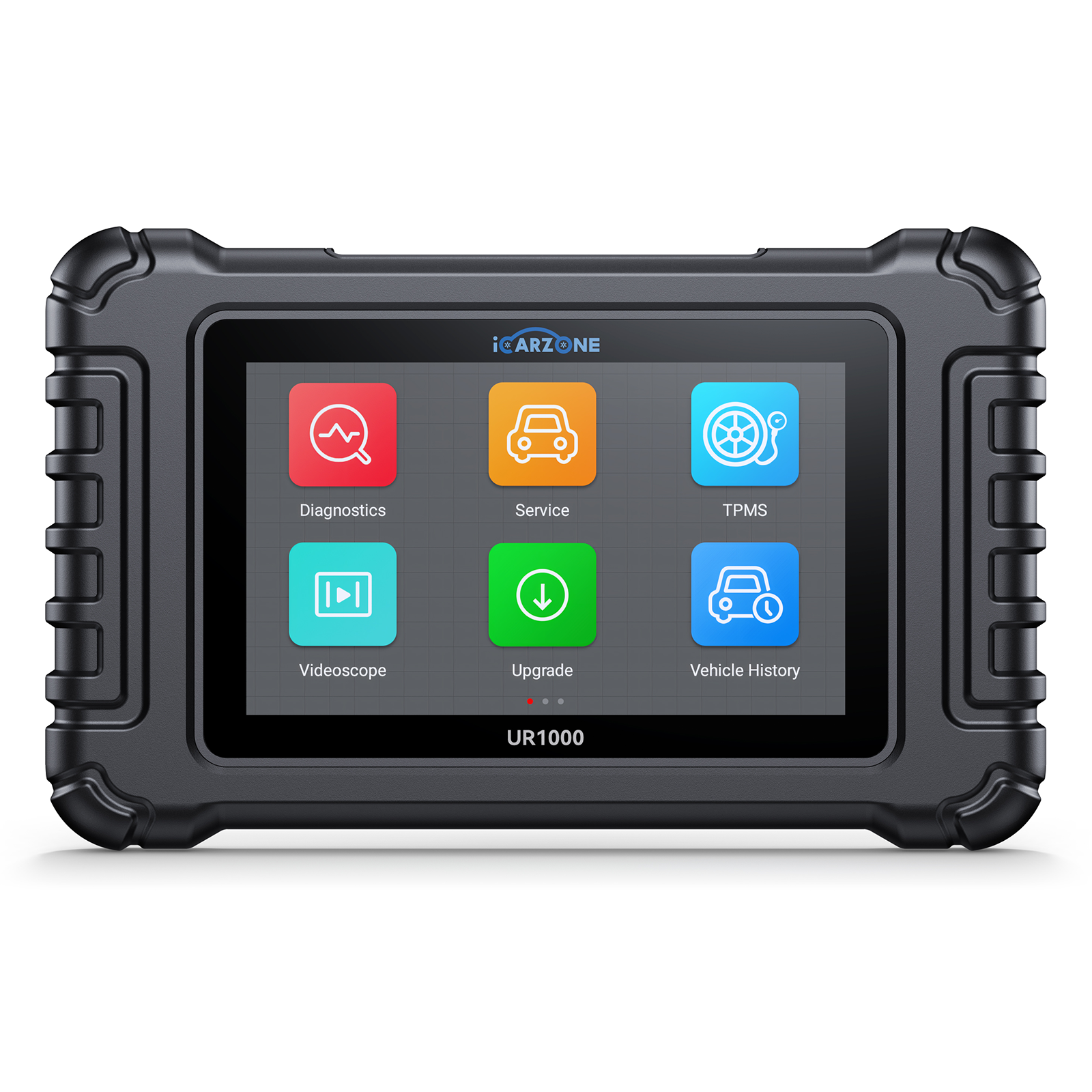
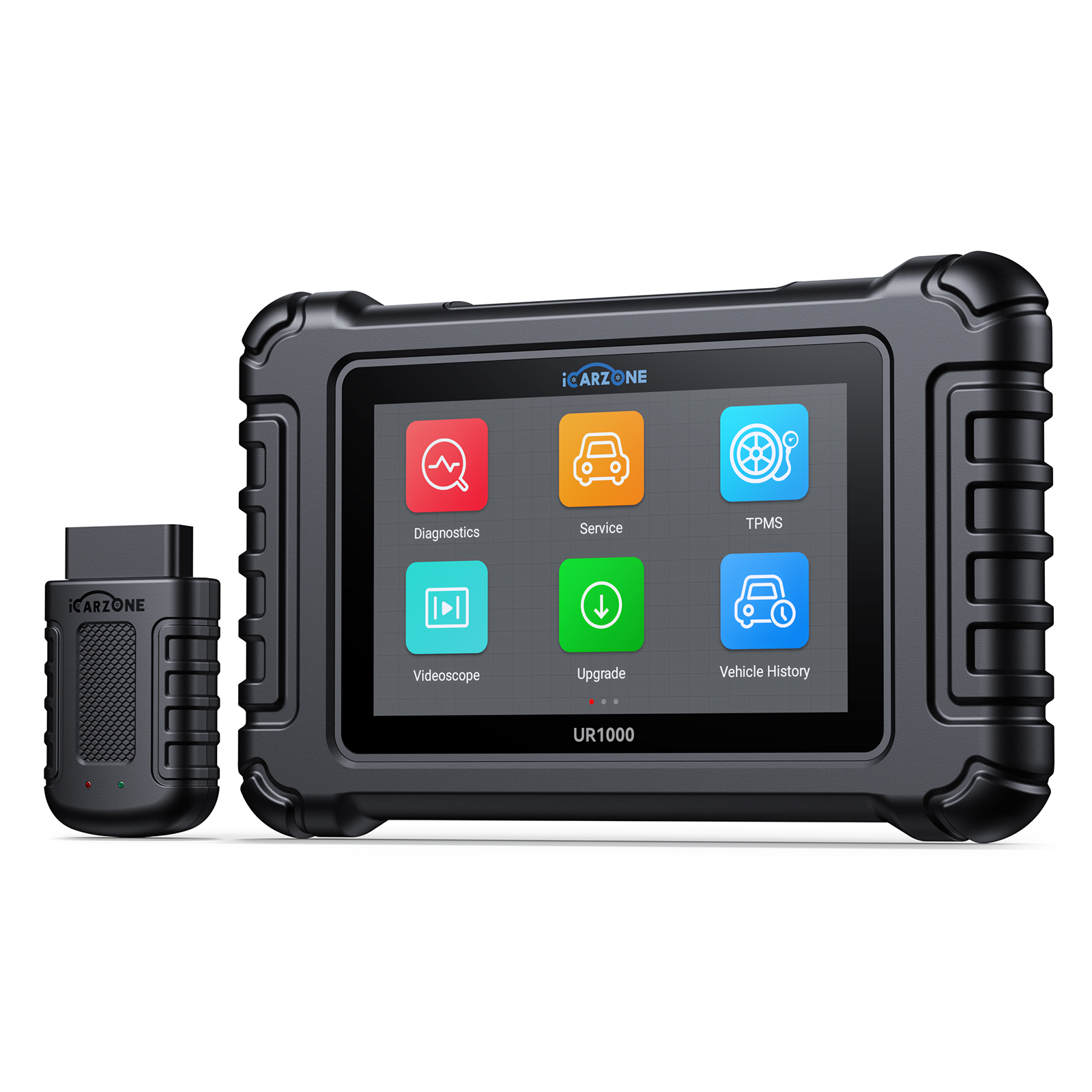
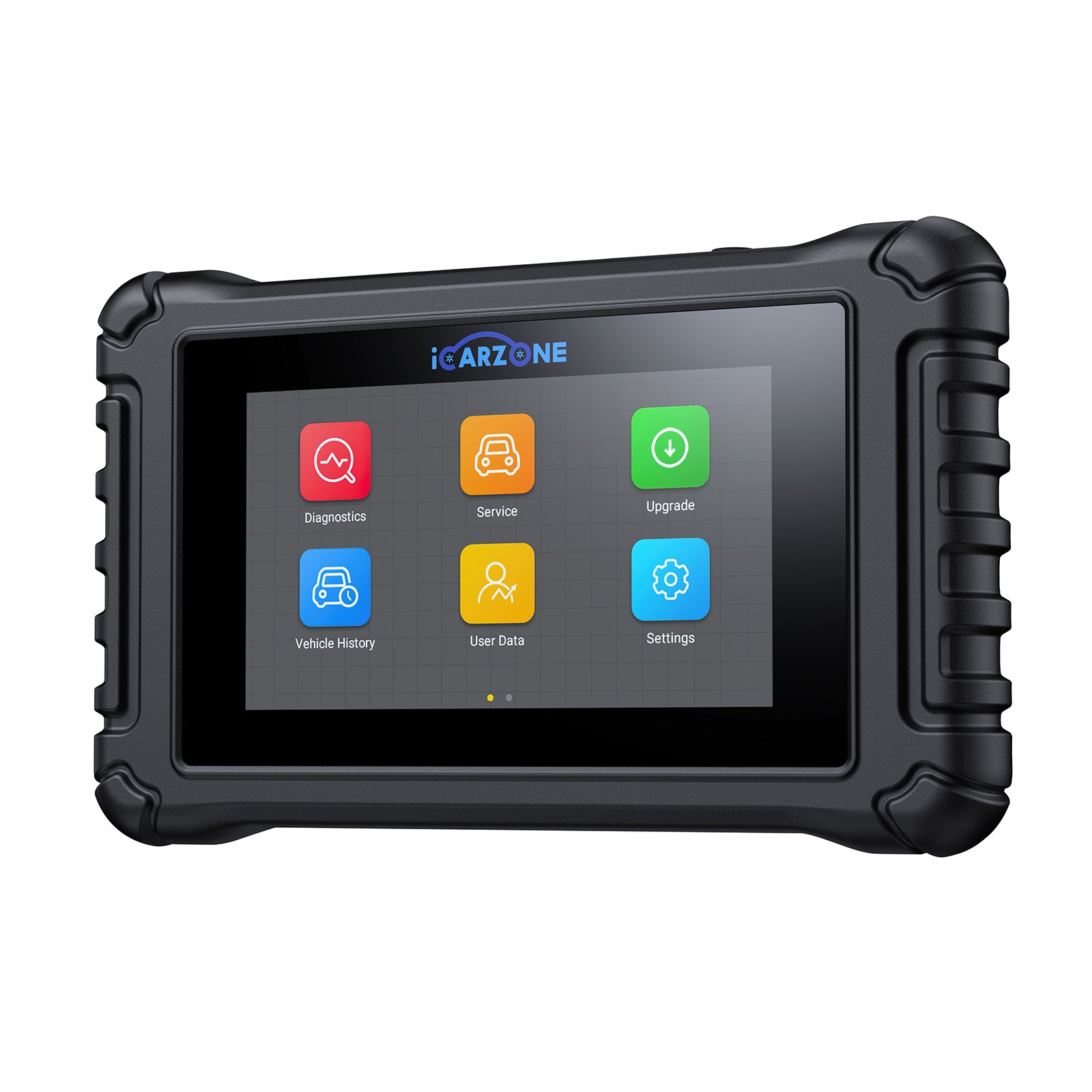
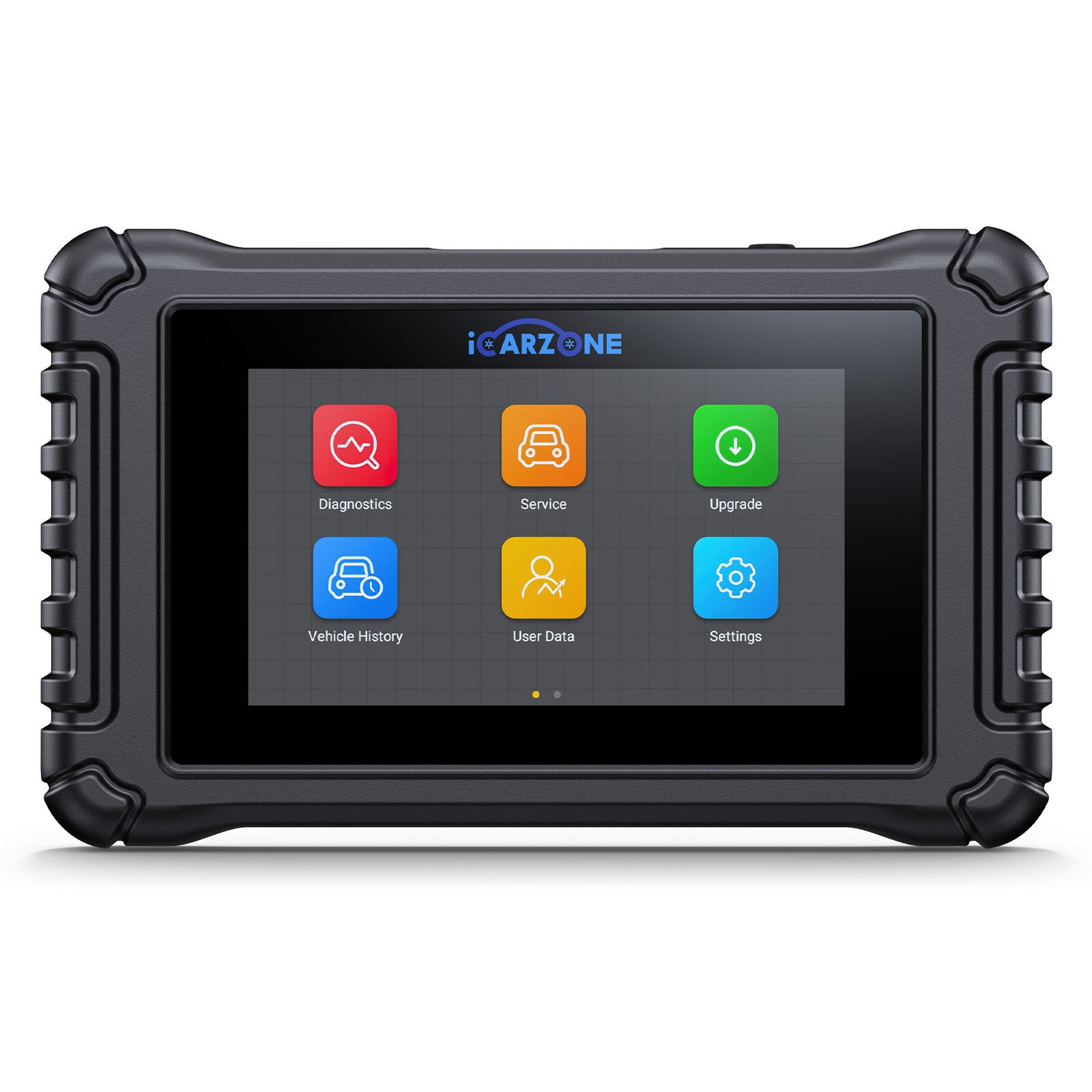
UR1000 provides EVAP pressure sensor testing, leak simulation, and live data to quickly identify whether P0452 is caused by a sensor, wiring, or leak—saving time and avoiding unnecessary parts replacement.
Order UR1000 Today