
P0607 Ford/Chevy/VW: Fix Control Module Malfunction | ICARZONE UR1000 Guide

P0607: Control Module Performance Malfunction
Solve P0607 in Ford, Chevrolet, and Volkswagen models. Learn causes, symptoms, and fixes using the ICARZONE UR1000 diagnostic tool.
Get ICARZONE UR1000 Now1. What is P0607?
P0607 is a Diagnostic Trouble Code indicating a Control Module Performance Malfunction. This code specifically points to issues with the Engine Control Module (ECM) or Powertrain Control Module (PCM) – the "brain" of the vehicle that manages engine operations, fuel injection, ignition timing, and emissions systems.
P0607 triggers when the ECM/PCM fails self-diagnostic tests, indicating internal software errors, memory failures, or hardware malfunctions that prevent proper operation.
Impact on Vehicle Operation
Modern vehicles rely on the ECM/PCM for precise engine management. A P0607 malfunction can cause erratic performance, reduced fuel efficiency, and may trigger limp mode to protect the engine. In European and American models with advanced emissions systems, this code often leads to failed emissions tests.
2. Common Causes in European & American Vehicles
P0607 stems from ECM/PCM-related issues. Real-world diagnostic cases include:
- ECM Software Corruption (Ford F-150 3.5L EcoBoost) – After battery jump-start, UR1000 detected corrupted calibration data; reflashing with Ford IDS v127 resolved P0607.
- Internal PCM Memory Failure (Chevrolet Silverado 5.3L) – UR1000 showed failed checksum tests; replacing PCM (#12677836) and programming VIN cleared the code.
- Power Supply Issues (Volkswagen Golf GTI 2.0T) – Voltage spikes damaged ECM voltage regulator; installing surge protector and replacing ECM fixed intermittent P0607.
- Water Intrusion (Ford Escape 1.5L) – ECM connector corrosion from water leak caused communication errors; cleaning with dielectric grease and sealing drain holes resolved issues.
- Aftermarket Tune Conflicts – Modified Chevrolet Camaro with incompatible tuning software triggered P0607; restoring factory ECM calibration via UR1000 fixed the problem.
3. Key Symptoms
Vehicles with P0607 typically exhibit these symptoms, often worsening over time:
- Check Engine Light illuminated (steady or flashing in severe cases)
- Reduced engine power and acceleration (limp mode activation)
- Erratic idle (fluctuating 200-500 RPM)
- Hard starting or inability to start
- Transmission shifting issues (delayed or harsh shifts)
- Fuel economy drop (15-25% reported in EcoBoost models)
- UR1000 live data showing "ECM Self-Test Failed" status
4. Models Prone to P0607
These models show higher incidence of P0607 due to ECM design or operating conditions:
- Ford: 2017-2023 F-150 3.5L EcoBoost, 2018-2022 Escape 1.5L, 2020-2023 Explorer 2.3L
- Chevrolet: 2019-2023 Silverado 5.3L, 2018-2022 Equinox 1.5T, 2020-2023 Malibu 1.5L
- Volkswagen: 2018-2023 Golf GTI 2.0T, 2019-2023 Tiguan 2.0T, 2020-2023 Jetta 1.4T
Relevant TSBs: Ford 22-2345, GM 23-NA-123, VW 21G045 (ECM software updates for P0607 resolution).
5. Diagnostic Steps with UR1000
Use ICARZONE UR1000 to accurately diagnose P0607 and avoid unnecessary ECM replacement:
| Step | Action with UR1000 | Goal | Pass/Fail Criteria |
|---|---|---|---|
| 1 | Full System Scan > "ECM/PCM Self-Test" | Verify P0607 and check for related codes (P0606, P0609) | Pass: Isolated P0607 | Fail: Multiple control module codes |
| 2 | Live Data > "ECM Voltage" & "Memory Status" | Check battery voltage (12.6V) and memory integrity | Pass: Stable voltage, no memory errors | Fail: Voltage fluctuations or corrupt memory |
| 3 | ECM Version Check > "Calibration ID" | Verify current software matches latest TSB recommendations | Pass: Latest version installed | Fail: Requires update (see TSBs) |
| 4 | Power Supply Test > "ECM Pin Voltage" | Measure voltage at ECM connectors (pins 3, 17, 29 on Ford EcoBoost) | Pass: 12V at power pins | Fail: Low/no voltage (wiring/fuse issue) |
| 5 | Advanced Test > "ECM Communication Loopback" | Verify internal ECM communication pathways | Pass: Successful loopback | Fail: Internal hardware failure (replace ECM) |
Case Example: 2021 Ford F-150 with P0607 – UR1000 showed stable voltage but failed memory tests. ECM replacement and VIN programming resolved the issue after software update proved ineffective.
Diagnose P0607 with UR10006. Fixes & Execution
Repair strategies depend on UR1000 diagnostic results:
- ECM Software Update – Use UR1000 or dealer tools to install latest calibration (Ford IDS, GM Tech2Win, VW ODIS). Critical for 2019+ models with software-related P0607.
- ECM Reprogramming – For vehicles with aftermarket tunes, restore factory settings using UR1000's "Calibration Restore" function.
- Power Supply Repair – Replace blown ECM fuses (check owner's manual for location), repair corroded grounds, and install voltage surge protectors.
- Connector Service – Disconnect battery, clean ECM connectors with electrical contact cleaner, apply dielectric grease, and ensure proper seating.
- ECM Replacement – For internal hardware failures: Install OEM replacement ECM, program with VIN/immobilizer data using UR1000, and perform idle relearn procedure.
Model-Specific Tips
- Ford: After replacement, perform "PCM Parameter Reset" via UR1000 to clear adaptive learning.
- Chevrolet: Requires SPS (Service Programming System) integration with UR1000 for security access.
- Volkswagen: Must complete "ECM Coding" with VIN and equipment list after replacement.
7. Repair Costs & Safety Tips
OEM ECM Replacement: $350–$800 (varies by model)
ECM Programming (Dealer): $150–$300
Connector Repair Kit: $15–$40
Professional Diagnosis + Repair: $400–$1,200
Fuses & Voltage Protectors: $10–$30
Critical Safety Precautions
- Disconnect negative battery terminal before working on ECM connectors to prevent voltage spikes.
- Use anti-static wrist straps when handling ECMs to avoid electrostatic damage.
- Never disconnect ECM while engine is running – can cause irreparable damage.
- Ensure all repairs include VIN programming to avoid immobilizer lockout (no-start condition).
- After replacement, clear all codes and perform 30-minute test drive to complete relearn procedures.
8. Preventive Maintenance
Avoid P0607 with these proactive measures:
- Use UR1000 to check ECM software versions during routine maintenance – update as needed.
- Inspect ECM connectors and grounds every 30,000 miles for corrosion or looseness.
- Install battery tender/maintainer to prevent voltage drops that corrupt ECM memory.
- Avoid jump-starting other vehicles – can cause voltage spikes damaging ECMs.
- Use only OEM or certified aftermarket ECM tunes that meet manufacturer specifications.
- Seal ECM compartments (common in SUVs) to prevent water intrusion during washing or off-roading.
9. Frequently Asked Questions
Short distances may be possible, but limp mode and unpredictable performance make it unsafe. Extended driving can cause catalytic converter damage.
Temporarily, but the code will return unless the root cause (software/hardware issue) is addressed. Use UR1000 for proper diagnosis.
OEM is recommended. Aftermarket units may lack proper calibration, causing recurring codes or performance issues in European/American models.
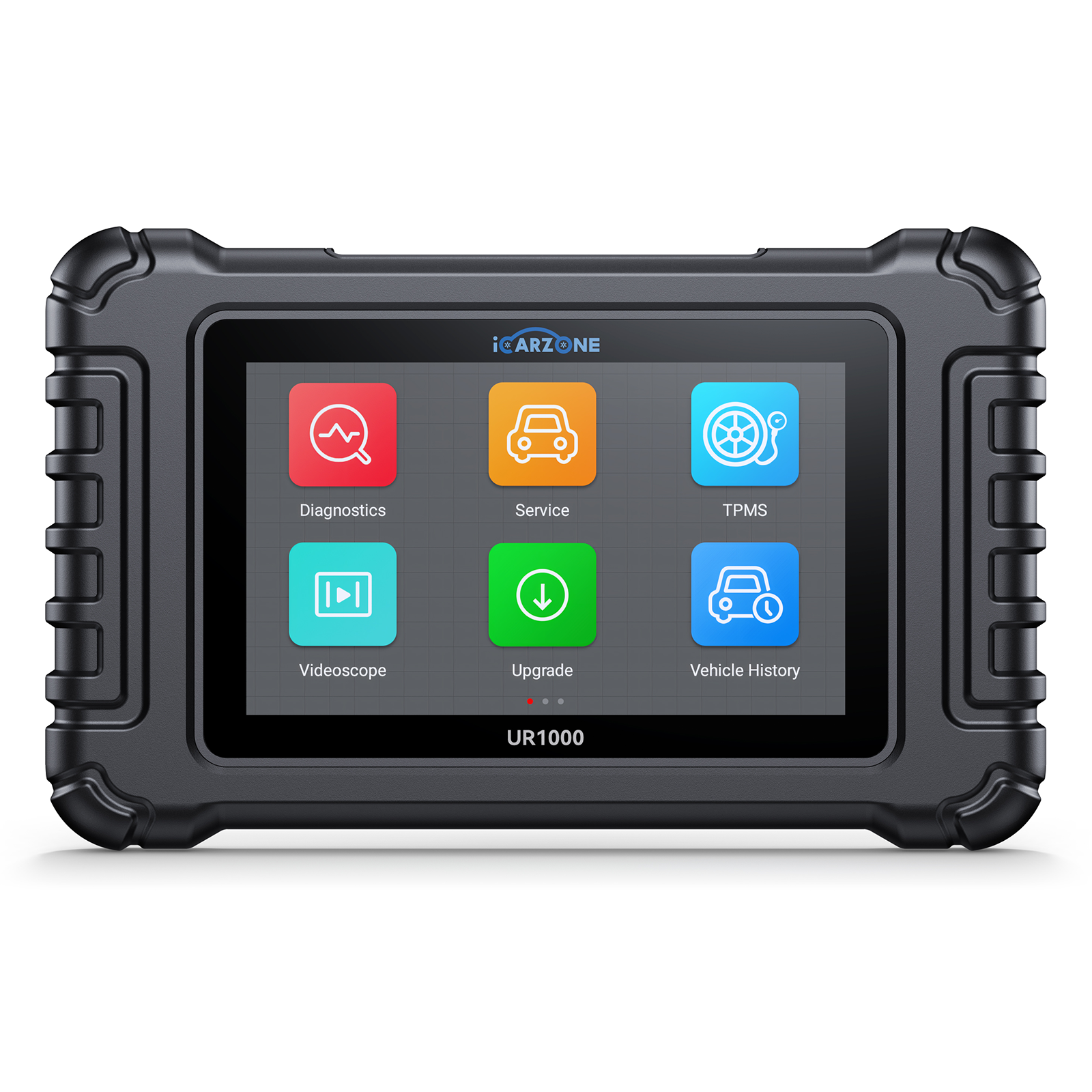
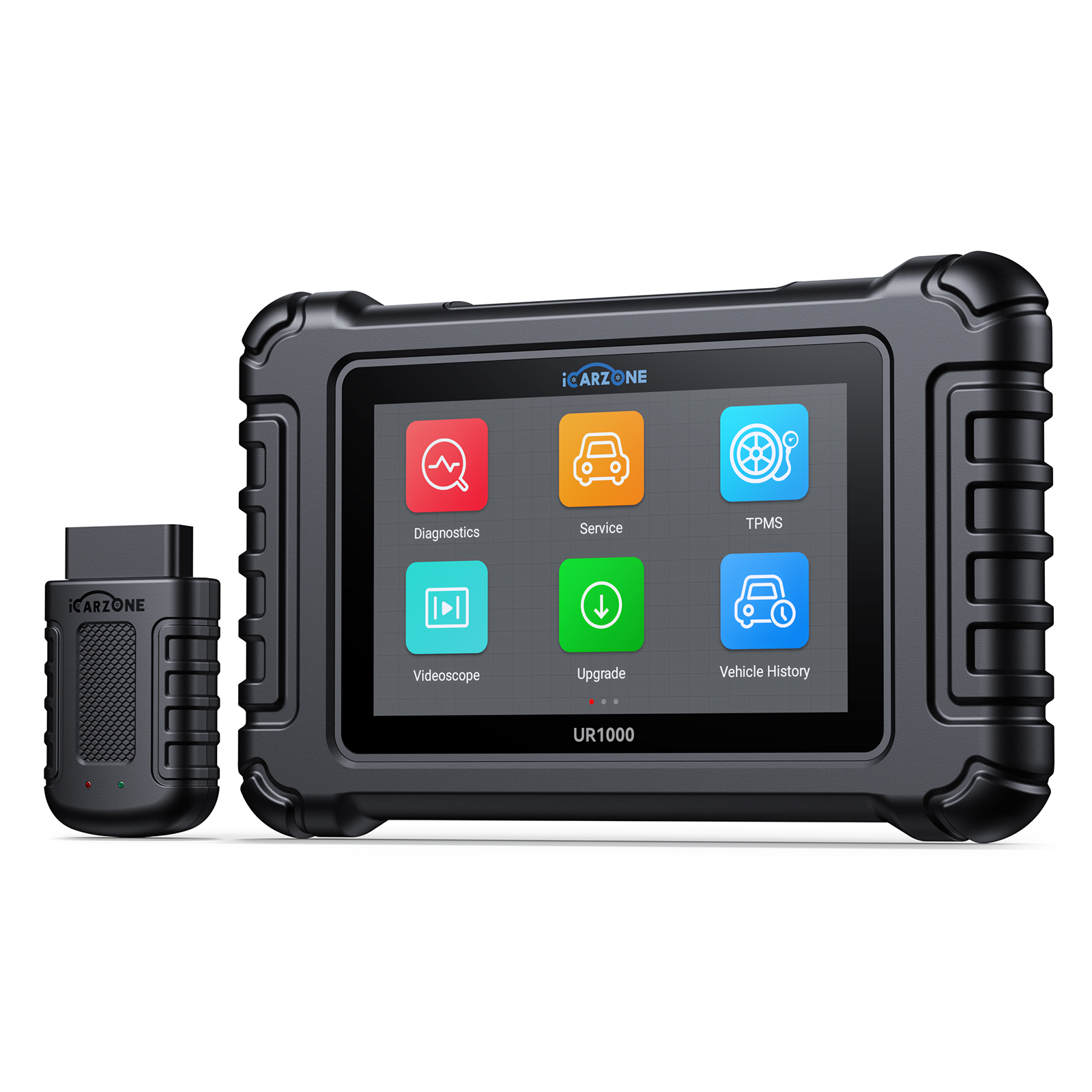
UR1000 performs ECM self-tests, checks software versions, verifies power supply, and programs replacements – avoiding guesswork in diagnosis.
Often yes – ECMs are covered under powertrain warranties (5-10 years/60,000-100,000 miles) in most 2017+ vehicles.
Yes – extreme heat (over 120°F) can damage ECM capacitors, while cold (-20°F) can cause solder joint failures in older units.
10. Summary
P0607 indicates a critical control module performance malfunction affecting the ECM/PCM – the vehicle's primary engine management system. Common in Ford, Chevrolet, and Volkswagen models, this code stems from software corruption, power issues, or hardware failure. Using the ICARZONE UR1000 for diagnostics – including self-test verification, voltage checks, and software validation – ensures accurate identification of root causes. Repairs range from software updates to ECM replacement, with proper programming critical for resolution. Preventive maintenance like regular connector inspections and voltage protection helps avoid recurrence.
Diagnose P0607 with Confidence
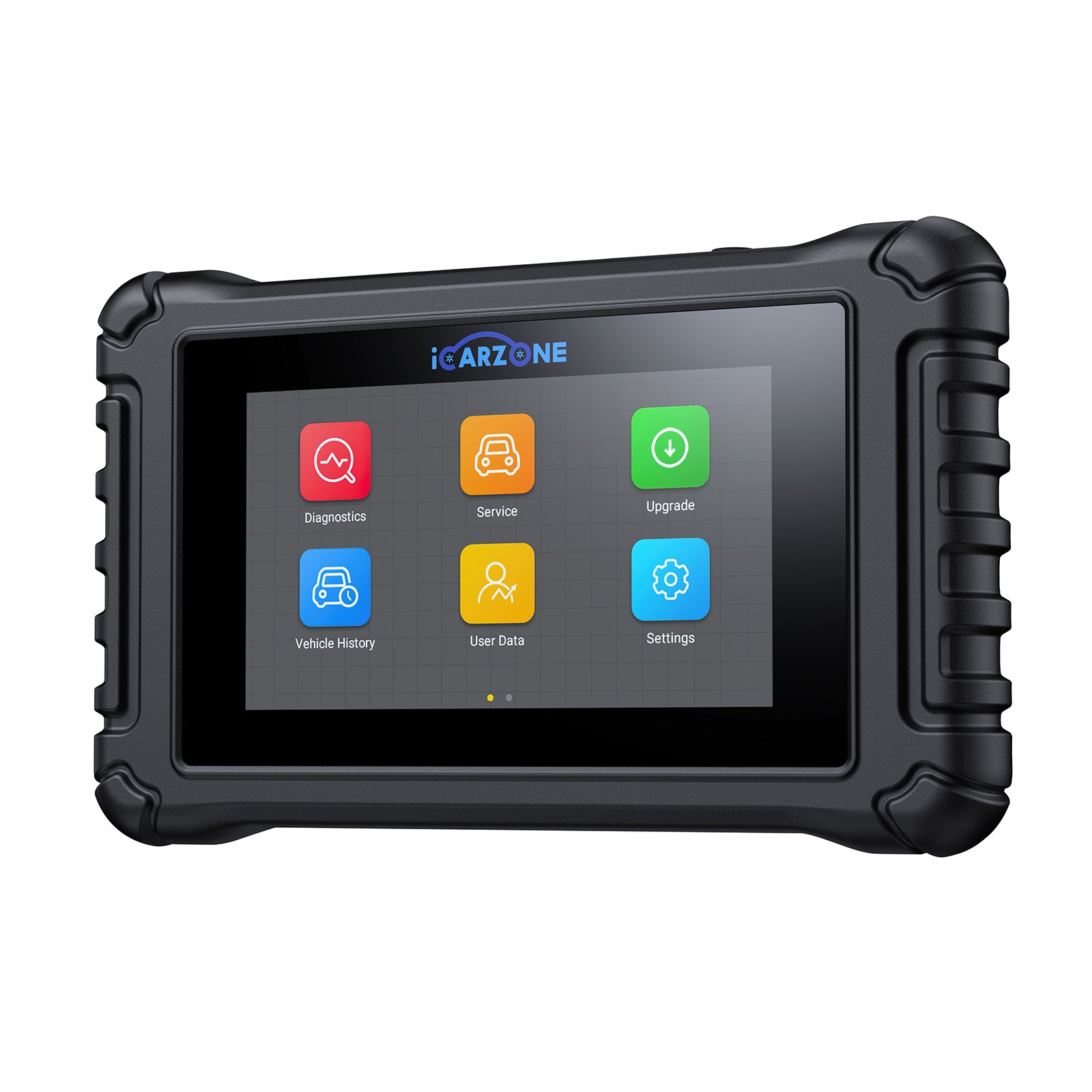
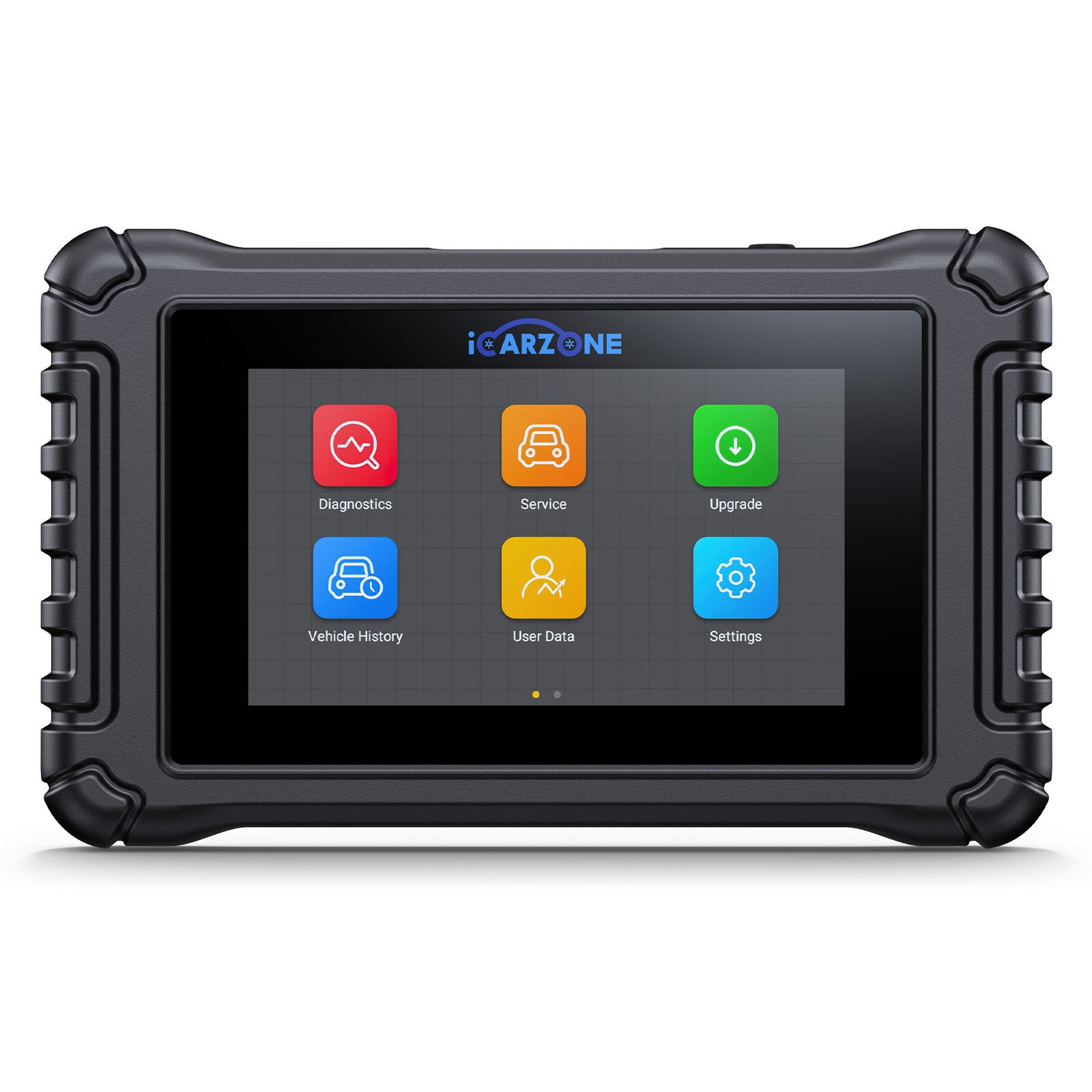
The ICARZONE UR1000 provides ECM self-testing, software updates, and programming capabilities to accurately diagnose and fix P0607 in Ford, Chevrolet, and Volkswagen vehicles.
Buy UR1000 Now