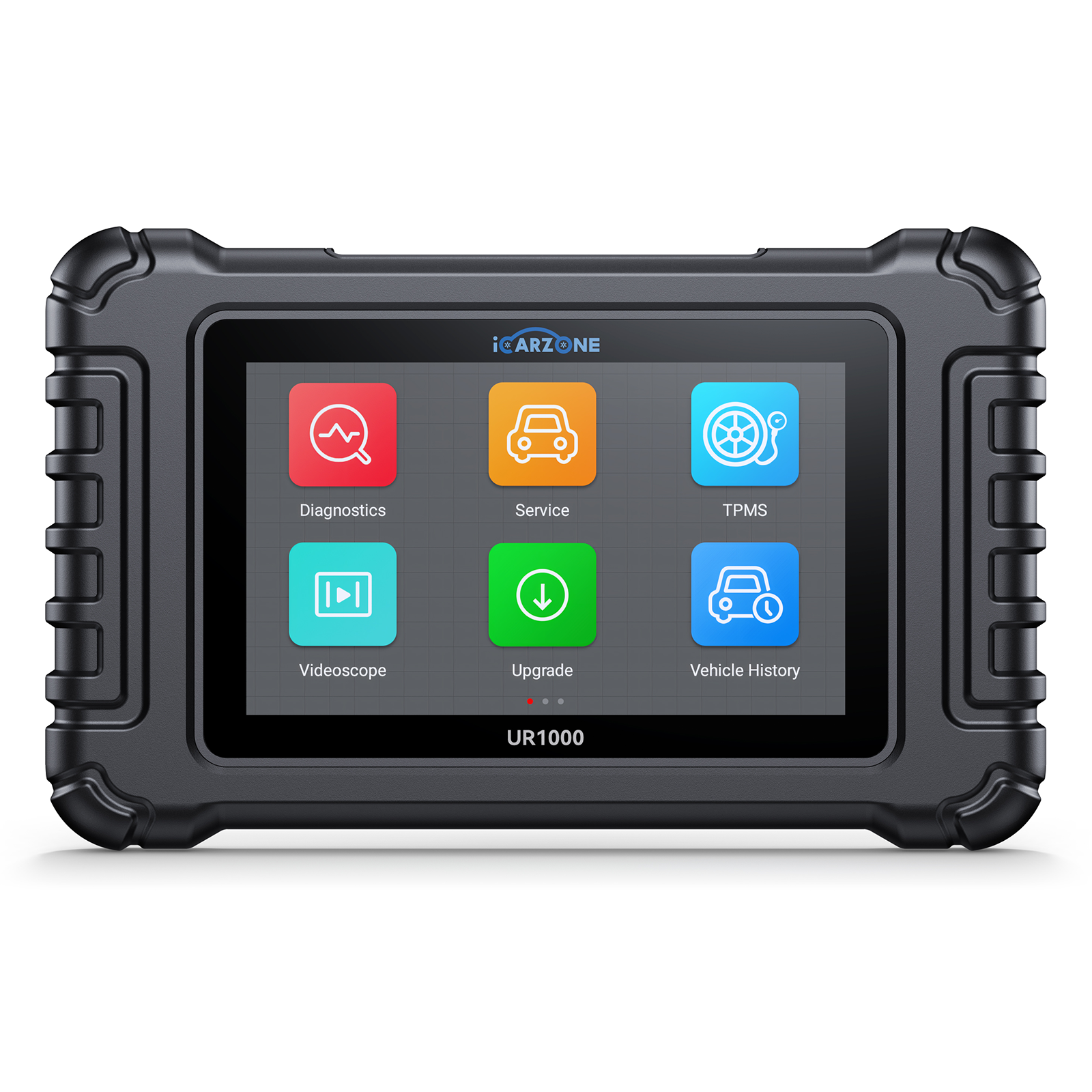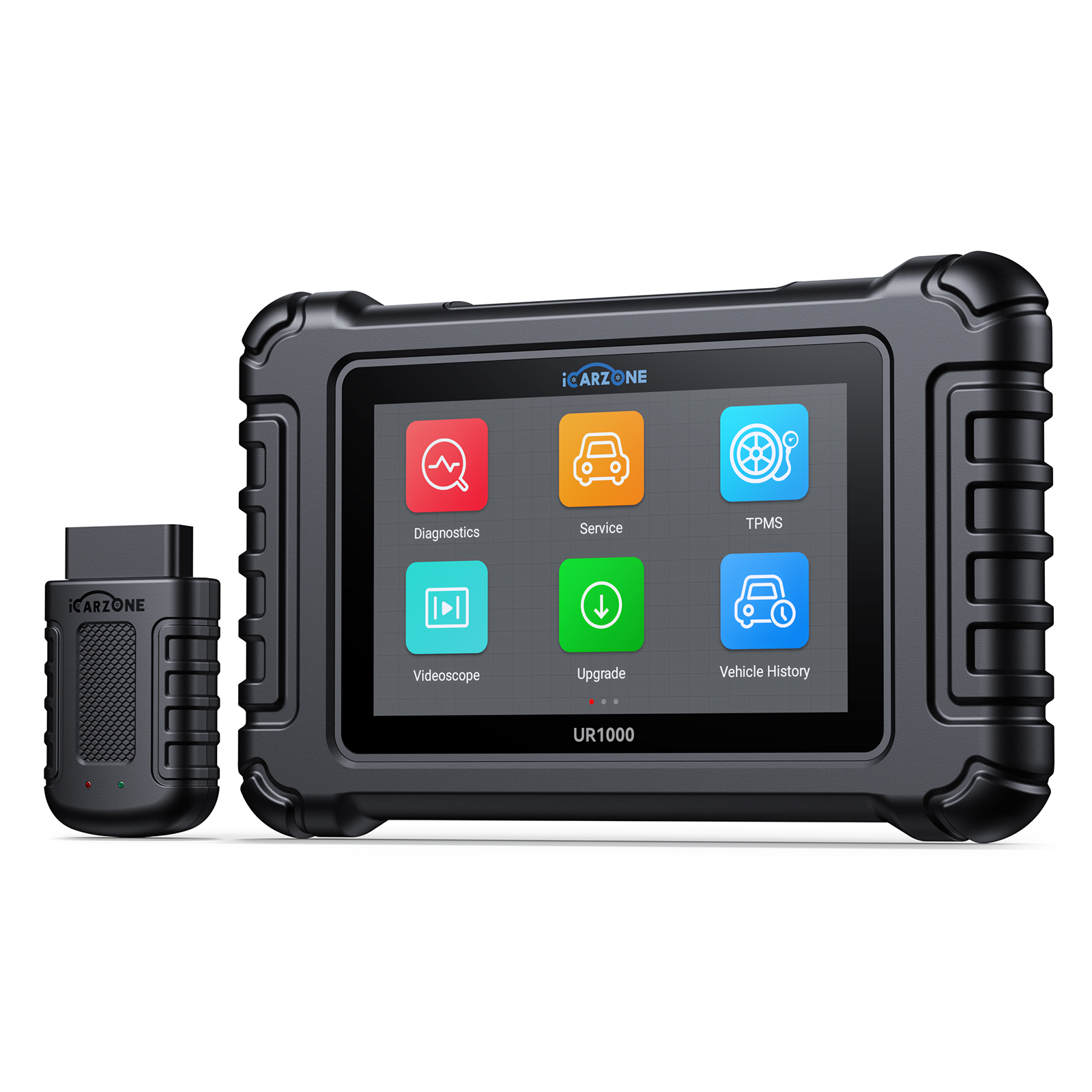

P06DE Ford/Chevy/VW: Fix Engine Oil Pressure Control Circuit | ICARZONE UR1000

P06DE: Engine Oil Pressure Control Circuit Stuck Off
Solve P06DE in Ford, Chevrolet, and Volkswagen models. Learn causes, symptoms, and fixes using the ICARZONE UR1000 diagnostic tool.
Get ICARZONE UR1000 Now1. What is P06DE?
P06DE is a Diagnostic Trouble Code indicating an Engine Oil Pressure Control Circuit Stuck Off. This code specifically refers to issues with the oil pressure control solenoid valve, which regulates oil pressure in modern engines by controlling the flow of oil to critical components like bearings, camshafts, and turbochargers.
The code triggers when the Engine Control Module (ECM) detects that the oil pressure control circuit remains in the "off" position, preventing proper pressure regulation. This disrupts the engine's ability to maintain optimal oil pressure across different operating conditions.
Impact on Engine Health
Proper oil pressure regulation is critical for engine longevity. In European and American vehicles with variable displacement or turbocharged engines (EcoBoost, Duramax, TSI), P06DE can cause insufficient oil pressure during high-load conditions, leading to increased friction, premature wear, and potential catastrophic failure if unaddressed.
2. Common Causes in European & American Vehicles
P06DE stems from oil pressure control system failures. Real-world diagnostic cases include:
- Faulty Oil Pressure Solenoid (Ford F-150 3.5L EcoBoost) – UR1000 activation test showed solenoid failed to respond; replacing OEM solenoid #BL3Z-9C968-A restored pressure regulation.
- Wiring Damage (Chevrolet Silverado 5.3L) – Chafed wires to solenoid caused open circuit; heat-shielded wiring repair fixed intermittent P06DE.
- Oil Contamination (Volkswagen Golf GTI 2.0T) – Sludge buildup blocked solenoid valve; UR1000 live data showed pressure stuck at 20 psi; oil flush + solenoid cleaning resolved issue.
- ECM Software Issue – 2021 Ford Expedition with incorrect solenoid control parameters; UR1000 TSB lookup identified Ford service bulletin 22-2345 requiring ECM reflash.
- Low Oil Level (Chevrolet Equinox 1.5T) – 2qt low oil caused pressure fluctuations; topping off oil + resetting code with UR1000 prevented recurrence.
3. Key Symptoms
Vehicles with P06DE typically exhibit these symptoms, often worsening under load:
- Check Engine Light illuminated (may flash under severe conditions)
- Oil pressure warning light activation
- Engine ticking or knocking noises (especially during acceleration)
- Reduced oil pressure reading on dashboard gauge (if equipped)
- Turbocharger lag or reduced boost pressure
- Engine overheating (due to increased friction)
- UR1000 live data showing "Oil Pressure Control Solenoid: Stuck Off"
4. Models Prone to P06DE
These models show higher incidence due to oil pressure control system design:
- Ford: 2017-2023 F-150 3.5L EcoBoost, 2018-2022 Expedition 3.5L, 2020-2023 Explorer 2.3L
- Chevrolet: 2019-2023 Silverado 5.3L, 2020-2023 Tahoe 5.3L, 2018-2022 Equinox 1.5T
- Volkswagen: 2018-2023 Golf GTI 2.0T, 2019-2023 Tiguan 2.0T, 2020-2023 Arteon 2.0T
Relevant TSBs: Ford 22-2345, GM 23-NA-078, VW 21G042 (oil pressure control system updates).
5. Diagnostic Steps with UR1000
Use ICARZONE UR1000 to accurately diagnose P06DE and avoid unnecessary parts replacement:
| Step | Action with UR1000 | Goal | Pass/Fail Criteria |
|---|---|---|---|
| 1 | Full System Scan > "Oil Pressure Control System" | Verify P06DE and check for related codes (P0521, P0523) | Pass: Isolated P06DE | Fail: Multiple oil pressure codes |
| 2 | Live Data > "Oil Pressure" & "Solenoid Status" | Monitor pressure (25-60 psi normal) and solenoid operation | Pass: Pressure fluctuates with RPM | Fail: Pressure static + solenoid shows "Off" |
| 3 | Actuation Test > "Oil Pressure Solenoid" | Command solenoid on/off to verify response | Pass: Pressure changes 10-15 psi with command | Fail: No pressure change |
| 4 | Circuit Test > "Solenoid Resistance" | Measure solenoid resistance (typically 10-18Ω) | Pass: Resistance in spec | Fail: Open (>100Ω) or shorted (<5Ω) |
| 5 | TSB Lookup > "Model-Specific Oil Pressure Issues" | Check for manufacturer advisories on P06DE | Pass: No relevant TSBs | Fail: TSB indicates software update needed |
Case Example: 2020 Chevrolet Silverado with P06DE – UR1000 actuation test showed no pressure response. Solenoid resistance measured 0.5Ω (shorted), confirming need for replacement. Post-installation test with UR1000 verified proper operation.
Diagnose P06DE with UR10006. Fixes & Execution
Repair strategies depend on UR1000 diagnostic results:
- Solenoid Replacement – Install OEM oil pressure control solenoid (Ford #BL3Z-9C968-A, GM #12677836, VW #06K115298). Access typically requires removing oil pan or front cover depending on model.
- Wiring Repair – Replace damaged sections of wiring harness with heat-resistant (18-gauge). Use dielectric grease on connectors and secure routing away from hot components.
- Oil System Service – Perform complete oil change with manufacturer-specified viscosity (5W-30 for most EcoBoost/TSI, 0W-20 for newer GM models). Add engine flush for sludge-related issues before oil change.
- ECM Software Update – Use UR1000 or dealer tools to install latest calibration (critical for 2019+ models with known control logic issues).
- Oil Level Correction – Top off oil to proper level and reset codes with UR1000. Check for leaks if level drops repeatedly.
Model-Specific Tips
- Ford EcoBoost: Torque solenoid to 18 ft-lbs and perform "Oil Pressure Relearn" via UR1000 after replacement.
- Chevrolet: Clean oil passage with compressed air before installing new solenoid to prevent debris contamination.
- Volkswagen: Replace oil filter with OEM part #06K115562 during repair – aftermarket filters may cause pressure fluctuations.
7. Repair Costs & Safety Tips
Oil Change + Filter: $50–$120
Wiring Repair Kit: $20–$50
ECM Software Update: $0–$150 (dealer or UR1000)
Professional Repair (parts + labor): $250–$500
Engine Flush Service: $80–$150 (if needed)
Critical Safety Precautions
- Work on completely cool engine – hot oil can cause severe burns (temperatures exceed 250°F).
- Relieve oil pressure by removing oil filler cap before disconnecting any components.
- Use proper jack stands when accessing under-vehicle components – never rely on jack alone.
- Disconnect battery when working on solenoid wiring to prevent short circuits.
- Verify oil pressure with UR1000 after repair before full test drive – low pressure can destroy engines.
8. Preventive Maintenance
Avoid P06DE with these proactive measures:
- Change oil every 5,000–7,500 miles using manufacturer-specified viscosity and quality.
- Inspect oil pressure solenoid wiring during each oil change – look for chafe marks or corrosion.
- Use UR1000 to monitor oil pressure trends during routine scans – early detection of fluctuations prevents failures.
- Install magnetic oil drain plugs to capture metal particles that can damage solenoids.
- Avoid aggressive driving when oil is cold – allow proper warm-up to build pressure gradually.
- Check oil level monthly – maintain between min/max marks to prevent pressure issues.
9. Frequently Asked Questions
Not recommended. Continued operation can cause severe engine damage due to improper oil pressure. If driving is necessary, keep RPM below 3,000 and limit to 5 miles.
Only if caused by contamination or low level. Solenoid or wiring issues require specific repairs, but oil change is always recommended as part of diagnosis.
Yes, often covered under powertrain warranties (5-10 years/60,000-100,000 miles) as it affects engine lubrication system.
UR1000 tests solenoid operation, monitors live pressure data, checks for TSBs, and verifies repairs – critical for accurate diagnosis.
High-quality synthetic oil reduces sludge buildup that can clog solenoids, making it a worthwhile preventive measure in turbocharged engines.
Typically 80,000–120,000 miles. Extended oil change intervals or poor oil quality can reduce lifespan to 50,000 miles.
10. Summary
P06DE indicates an Engine Oil Pressure Control Circuit Stuck Off, affecting the oil pressure solenoid's ability to regulate lubrication pressure. Common in Ford, Chevrolet, and Volkswagen models, this code stems from solenoid failure, wiring damage, oil contamination, or software issues. Using the ICARZONE UR1000 for diagnostics – including solenoid actuation tests, pressure monitoring, and TSB verification – ensures accurate identification of root causes. Repairs range from oil changes to solenoid replacement, with proper calibration critical for resolution. Preventive maintenance like regular oil changes and wiring inspections helps avoid costly engine damage.
Fix P06DE with UR1000
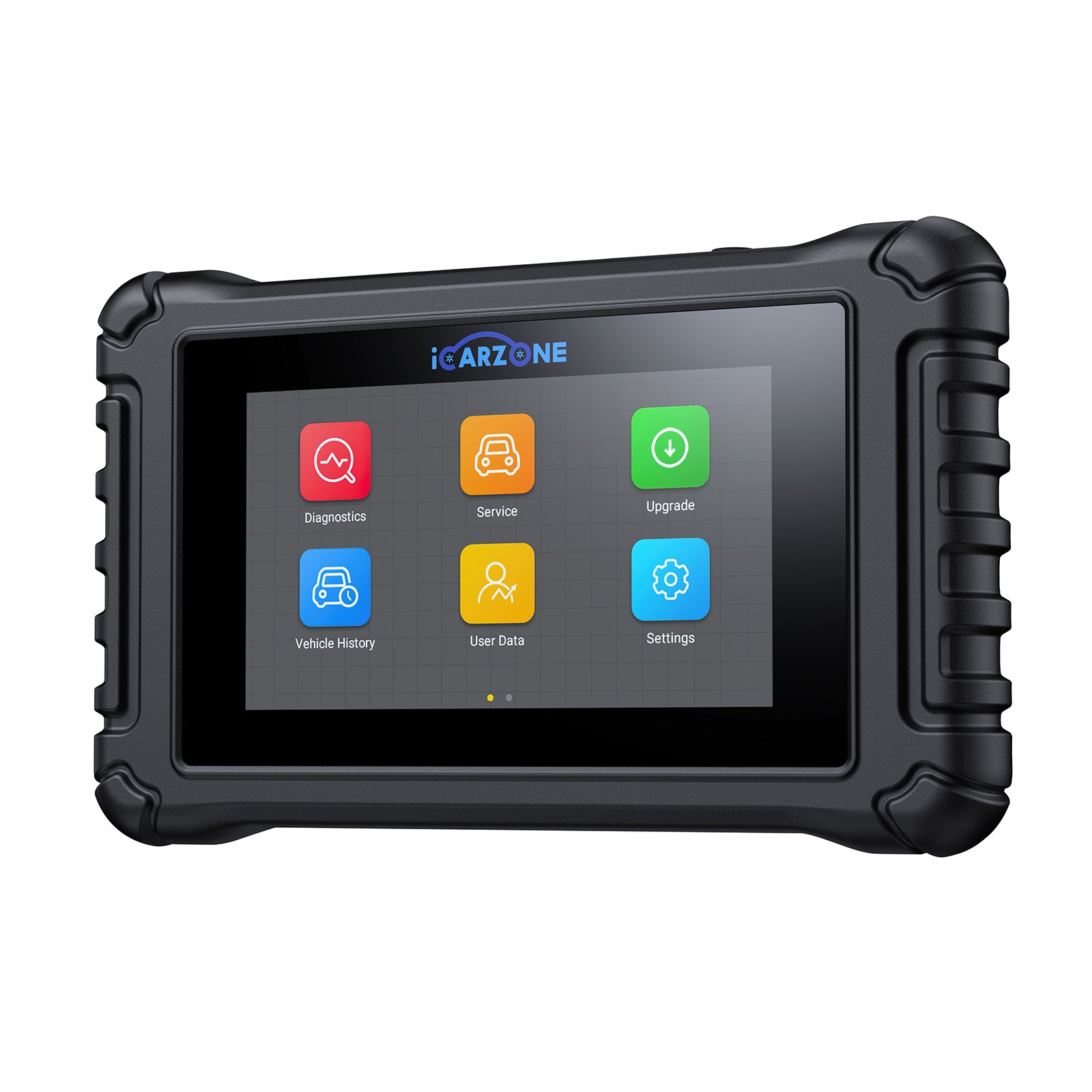
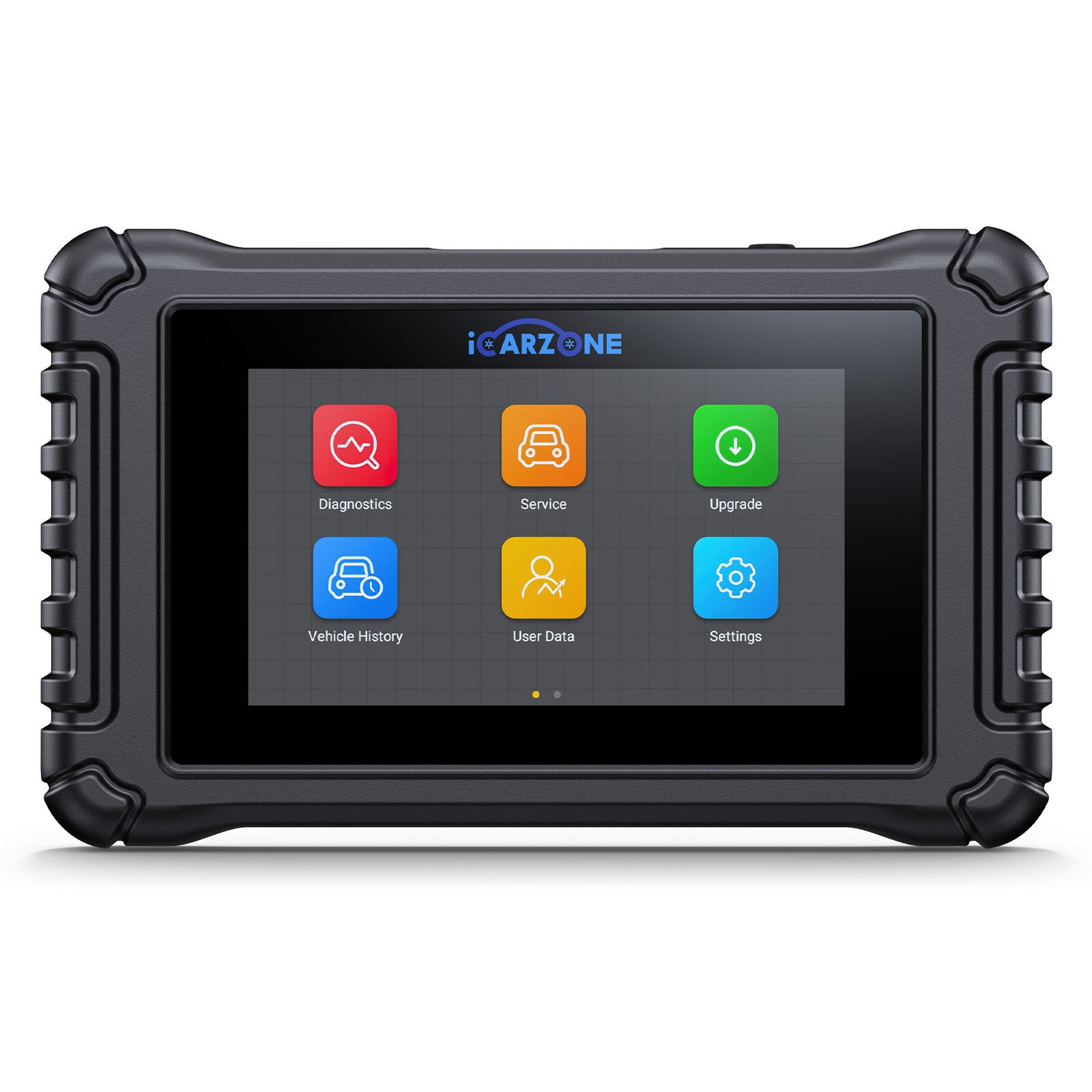
The ICARZONE UR1000 provides solenoid actuation tests, live oil pressure monitoring, and TSB lookup to accurately diagnose and repair P06DE in Ford, Chevrolet, and Volkswagen vehicles.
Buy UR1000 Now