
P1000 Chevrolet Silverado 1500: OBD Readiness Fix | UR1000 Guide

P1000: OBD System Readiness Test Not Complete
Resolve P1000 in Chevrolet Silverado 1500. Learn causes, symptoms, and fixes for incomplete OBD readiness tests using the UR1000 diagnostic tool.
Get UR1000 Now1. What is P1000?
P1000 is a manufacturer-specific Diagnostic Trouble Code indicating the OBD System Readiness Test Not Complete. Readiness monitors are self-diagnostic checks the ECM performs to verify emissions-related systems (EVAP, O₂ sensors, EGR, etc.) are functioning correctly. P1000 triggers when one or more monitors haven’t completed their tests after a battery disconnection, code clearing, or powertrain repair—preventing emissions test readiness.
Why It Matters for Chevrolet Silverado 1500
For Silverado owners, P1000 is critical because incomplete readiness monitors prevent passing state emissions inspections. This is especially problematic in states like California, New York, and Texas with strict emissions testing. Additionally, unresolved P1000 may mask underlying issues that could trigger other codes later. Properly completing the drive cycle ensures emissions systems are working and avoids inspection failures.
2. Common Causes in Chevrolet Silverado 1500
P1000 in Silverado 1500 occurs when readiness monitors can’t complete their tests. Common causes include:
- Recent battery disconnection or low voltage — Resets ECM memory, requiring monitors to re-run tests.
- Clearing diagnostic trouble codes — Erasing codes resets all monitors, requiring a complete drive cycle.
- Incomplete drive cycle — Not meeting specific speed, load, and temperature conditions needed for monitor completion.
- Underlying emissions system issues — Faulty EVAP, EGR, or O₂ sensors preventing monitors from completing.
- Aftermarket modifications — Tuning, exhaust changes, or intake modifications that disrupt monitor logic.
3. Key Symptoms in Chevrolet Silverado 1500
P1000 itself doesn’t cause performance issues but presents these indicators:
- Check Engine Light may illuminate (or stay off, with P1000 stored as pending)
- Failed emissions inspection due to "incomplete" readiness monitors
- UR1000 scan shows one or more monitors in "Not Ready" status
- Recent battery service, code clearing, or powertrain repair
- Inability to complete specific monitor tests despite driving
4. Silverado 1500 Models Prone to P1000
P1000 can affect any Silverado, but these variants face unique challenges:
- 2014–2024 Silverado 1500 with enhanced emissions systems — More monitors (EVAP, NOx, EGR) increase completion complexity.
- High-altitude registered Silverados — Thinner air can delay O₂ sensor and EGR monitor completion.
- Silverados with frequent battery disconnections — Towing, winching, or accessory use drains batteries, resetting monitors.
- Modified trucks (tuners, exhausts) — Aftermarket parts often disrupt monitor logic, making P1000 persistent.
GM TSB 19-NA-184 addresses monitor completion issues in 2019–2021 Silverados, recommending specific drive cycle procedures.
5. Diagnostic Steps (Silverado 1500 Focus) with UR1000
Use UR1000 to identify incomplete monitors and verify drive cycle progress:
| Step | Action with UR1000 | Silverado Goal | Pass/Fail Criteria |
|---|---|---|---|
| 1 | Full System Scan > Select "Chevrolet" > "Silverado 1500" > "Readiness Monitors" | Identify which monitors are "Not Ready" (typically EVAP, O₂, EGR, CAT) | Pass: All monitors "Ready" | Fail: 1+ monitors incomplete (P1000 trigger) |
| 2 | Live Data > "Monitor Status" & "DTC History" | Check for pending codes blocking monitor completion | Pass: No pending codes | Fail: Hidden issues preventing monitor runs |
| 3 | Drive Cycle Guide > "Silverado 1500 Specific" (UR1000 feature) | Access model-specific drive cycle instructions | Pass: Followed all stages | Fail: Skipped critical speed/temperature steps |
| 4 | Post-Drive Scan > Recheck readiness status after drive cycle | Verify monitor completion progress | Pass: Additional monitors "Ready" | Fail: No change (indicates system issues) |
| 5 | Advanced Diagnostics > Run individual monitor tests (if supported) | Force specific monitors to run when manual driving fails | Pass: Monitors complete via tool | Fail: Indicates underlying component fault |
Case Example: A 2020 Silverado 1500 failed emissions due to P1000. UR1000 showed EVAP and catalyst monitors incomplete. Following the tool’s drive cycle guide (20 minutes highway, 10 minutes city, 3 cold starts) completed all monitors within 48 hours, allowing successful inspection.
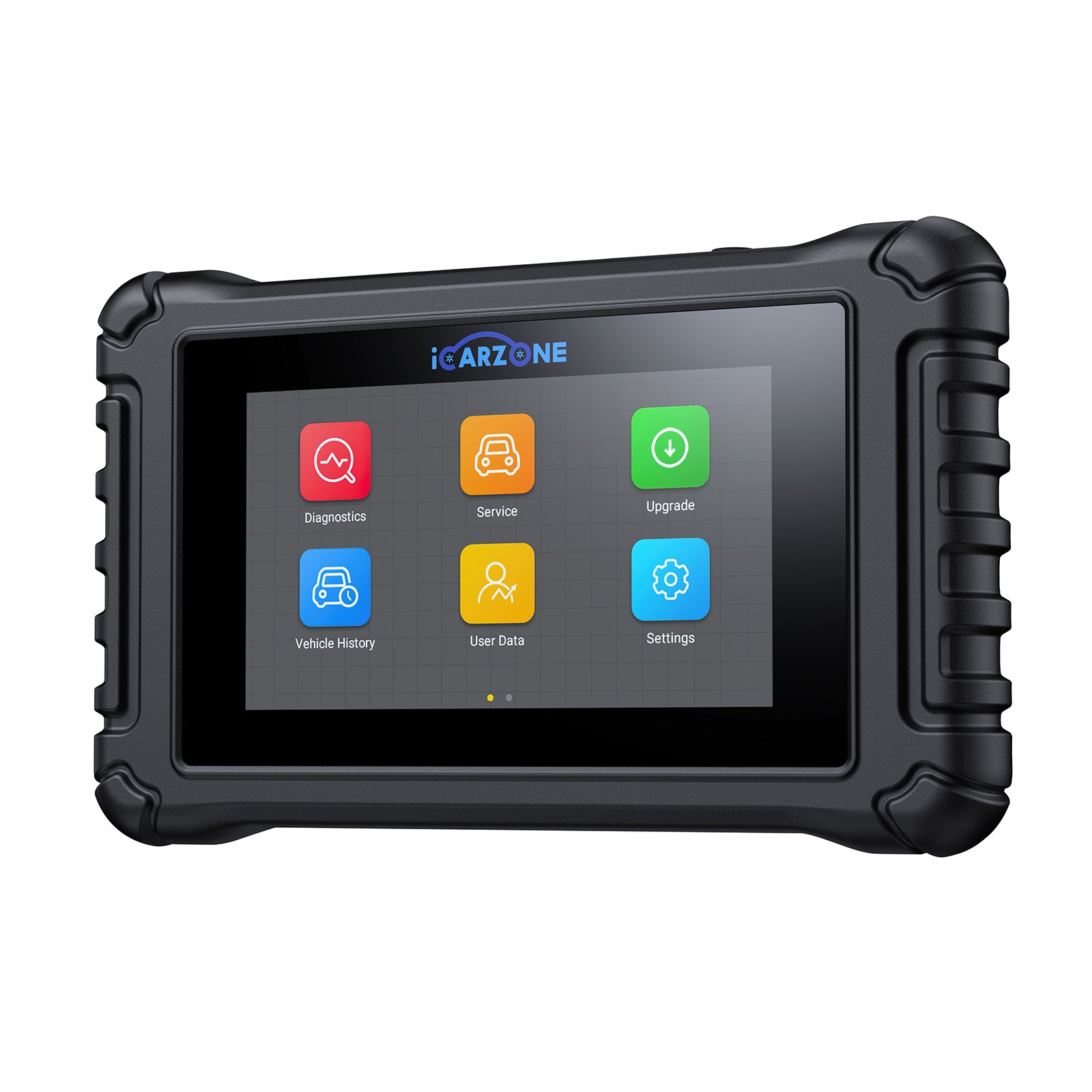
Diagnose Silverado P1000 with UR10006. Fixes & Execution for Chevrolet Silverado 1500
Resolving P1000 requires completing readiness monitors. Follow these steps based on UR1000 findings:
- Complete the Silverado-specific drive cycle — Use UR1000’s guided drive cycle: (1) Cold start, idle 2 minutes; (2) 45 mph steady for 5 miles; (3) 25 mph for 2 miles; (4) Idle 1 minute; (5) Repeat as needed. Critical for EVAP and O₂ sensor monitors.
- Address underlying faults — If monitors fail to complete, UR1000 will often flag related codes (e.g., P0442 for EVAP leaks blocking that monitor).
- Reset and re-run — If after 2–3 drive cycles monitors remain incomplete, clear codes with UR1000 and repeat the process.
- Battery voltage maintenance — Ensure 12.4–12.7V at rest; weak batteries prevent monitor completion. Use a battery tender during extended drive cycles.
- Dealer reflash (if needed) — For persistent cases, GM may recommend an ECM reflash to update monitor logic (per TSB 19-NA-184).
Silverado-Specific Drive Cycle Tips
- For EVAP monitor: Include 10 minutes of stop-and-go driving with fuel level between 1/4 and 3/4.
- For catalyst monitor: Maintain 55–65 mph for 10+ minutes with engine at 2,000–2,500 RPM (towing a light load helps).
- For O₂ sensor monitor: Include 3–5 acceleration/deceleration cycles from 30–50 mph.
7. Repair Costs & Safety Tips for Silverado 1500
Drive Cycle Completion (DIY): $0 (just fuel for driving)
Battery Tender (if needed): $30–$80
Dealer Drive Cycle Assistance: $100–$200 (if unable to complete DIY)
ECM Reflash (if required): $150–$300
Repairing Underlying Issues: $50–$500+ (varies by component)
Critical Safety Precautions
- Perform drive cycles in safe, legal areas—avoid speeding to meet RPM requirements.
- Ensure tires, brakes, and fluids are in good condition before extended driving.
- Never disconnect the battery while attempting to complete monitors—this resets progress.
- Verify monitor status with UR1000 before visiting emissions inspection stations.
8. Preventive Maintenance for Silverado 1500 P1000
Avoid P1000 and ensure inspection readiness with these steps:
- Complete a test drive cycle monthly to keep monitors active, especially if the truck is rarely driven.
- Use a battery tender during storage to prevent voltage drops that reset monitors.
- Address check engine lights promptly—unresolved codes block monitor completion.
- Schedule emissions-related repairs 2–3 weeks before inspection to allow monitor completion.
- Use UR1000 quarterly to check readiness status and catch incomplete monitors early.
9. Frequently Asked Questions
Yes—most states require at least 75% of monitors to be "Ready" to pass. P1000 indicates insufficient completion.
1–3 drive cycles (20–100 miles) for most Silverados, but some monitors (EVAP) may take 7–10 days of normal driving.
UR1000 can’t force completion but provides guided drive cycles and live data to optimize conditions for monitor runs.
Yes—battery disconnection resets ECM memory, requiring all monitors to re-run their tests, triggering P1000.
Potentially—cat-delete exhausts, tuners, or modified intakes often disrupt monitor logic, making P1000 persistent.
Most states allow 1–2 incomplete monitors, but California and New York require all except EVAP to be ready.
10. Summary
P1000 (OBD System Readiness Test Not Complete) in Chevrolet Silverado 1500 indicates one or more emissions monitors haven’t finished their self-tests. Using the UR1000 diagnostic tool—with its readiness monitor status checks, guided drive cycles, and live data—simplifies identifying incomplete monitors and optimizing conditions for their completion. Most cases resolve with proper drive cycle execution, while persistent issues often point to underlying emissions system faults. Addressing P1000 promptly ensures emissions inspection compliance and verifies proper function of critical pollution-control systems.
Diagnose P1000 with UR1000
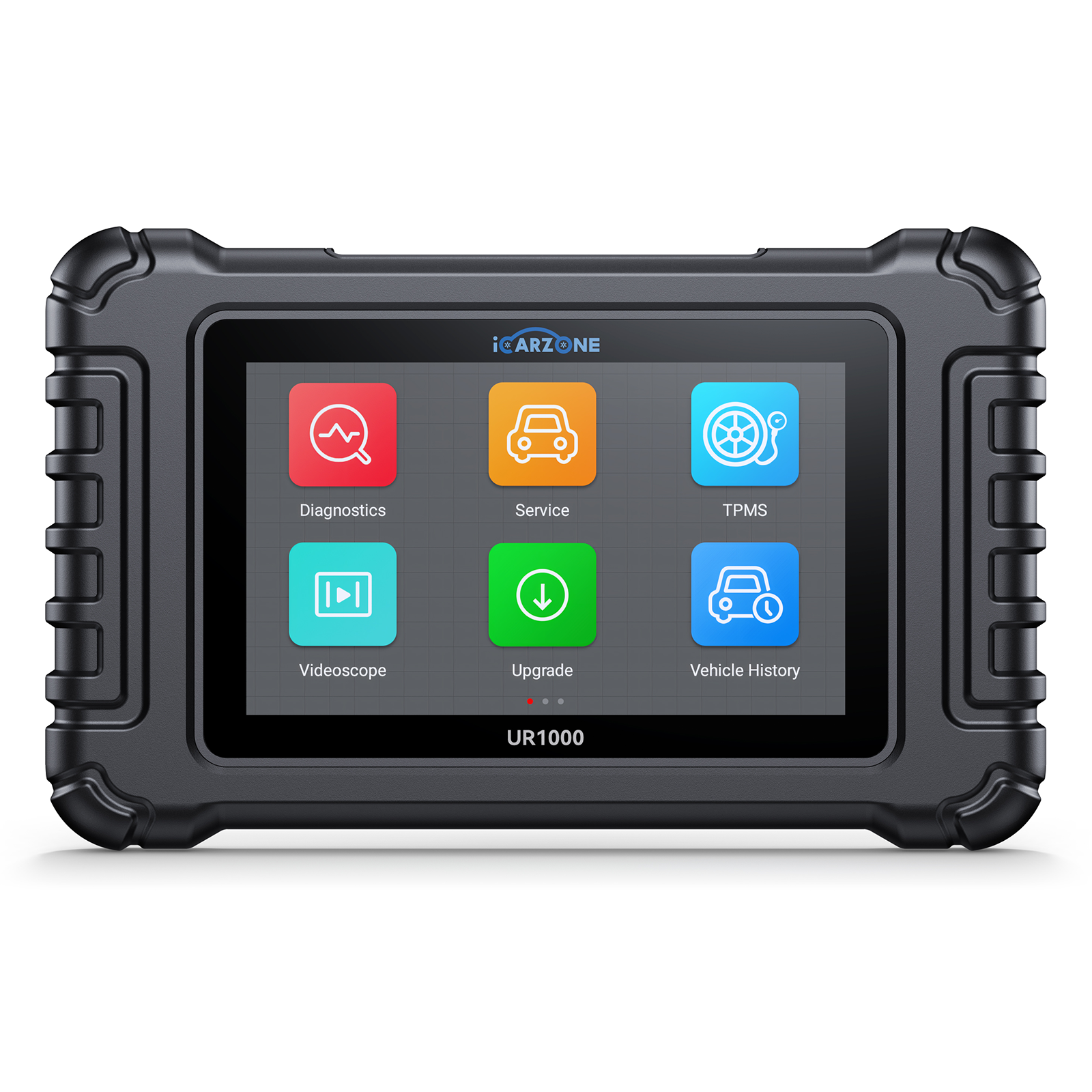
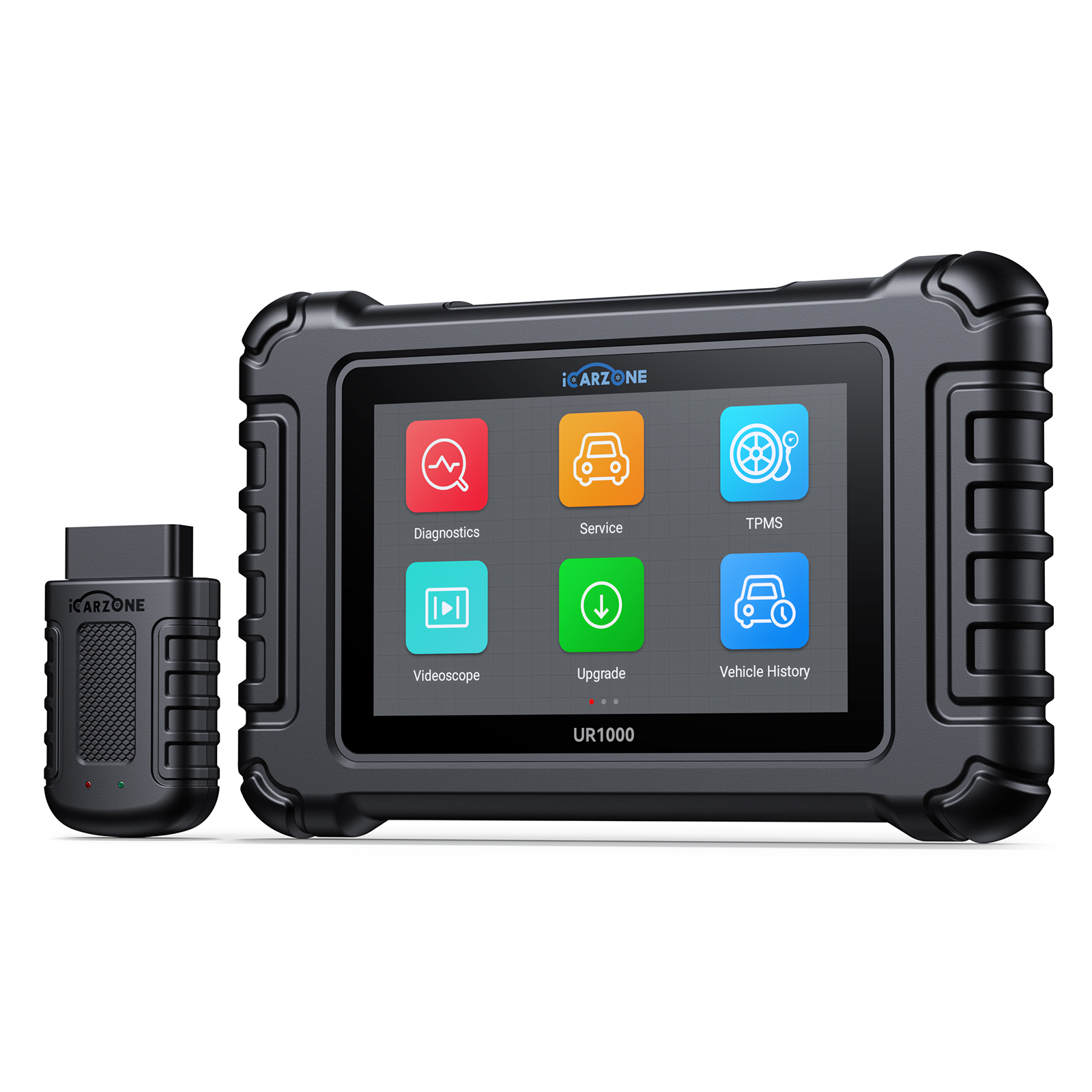
UR1000 provides readiness monitor status, guided drive cycles, and live data to quickly identify which monitors are incomplete and how to complete them—saving time and ensuring emissions test success.
Order UR1000 Today