
P1299 Code: Cylinder Head Overtemperature Protection – Causes & Fixes | iCarzone UR1000

P1299 usually means the engine entered a cylinder-head over‑temperature protection state. This guide explains plain-language causes, signs, step-by-step diagnostics, and fixes — plus how the iCarzone UR1000 helps verify repairs quickly.
P1299 Code — Cylinder Head Over‑Temperature Protection Active
Short version: P1299 usually tells you the engine management saw the cylinder head temperature reach a level that triggered a protective strategy (fail‑safe cooling / limp mode) to avoid damage. In many Ford‑family vehicles this shows up as a cylinder‑head over‑temperature alert — but because P1xxx codes can be manufacturer‑specific, the exact trigger may vary by make and model.
What P1299 Means (plain English)
The car’s computer is effectively saying, “I think one or more cylinder head temperature readings are too high or inconsistent — I’m activating protective cooling logic.” That protection can reduce power, switch fans on high, or even switch the engine to limp mode until temperatures return to safe range.

How the Cooling & Cylinder Head Temperature (CHT) System Works
- CHT / coolant temp sensors: measure temperatures and feed the PCM/ECU.
- PCM protective strategy: when thresholds are exceeded, the system activates extra cooling or reduces engine output.
- Cooling components: thermostat, water pump, radiator, fans, hoses, coolant level and passages — all must work for proper heat transfer.
Symptoms to Watch For
- Check Engine Light or MIL illuminated (with P1299 stored)
- Car goes into limp mode or reduced power
- Radiator fan runs constantly or on high
- Temperature gauge reads high or fluctuates
- Visible steam, coolant smell, or actual overheating
- Engine may run poorly until cooled down
Most Likely Causes (what mechanics see most often)
- Low coolant level — air pockets and low volume reduce heat transfer.
- Stuck thermostat — prevents coolant flow through the radiator.
- Failed water pump — no circulation means hotspots develop.
- Radiator fan or relay failure — insufficient airflow at low speeds.
- Clogged radiator or internal passages — corrosion or debris reducing cooling efficiency.
- Faulty Cylinder Head Temperature (CHT) or coolant temp sensor, or wiring — bad readings can falsely trigger protection.
- Leaks, ruptured hose, or radiator cap failure — loss of pressure and boiling at lower temps.
- Severe cases: head gasket failure, warped head — these are less common but critical to catch early.
Step‑by‑Step Diagnosis (practical and safe — use UR1000)
- Read stored codes & freeze frame: Connect the iCarzone UR1000 and capture the freeze frame data (engine load, RPM, coolant temp when P1299 set).
- Check coolant level & visible leaks: With the engine cold, inspect reservoir and radiator — top up if low and look for leaks.
- Inspect fan operation: With the engine at operating temp, confirm fans run; if not, check fan fuse/relay and wiring.
- Test thermostat: Observe warm‑up behavior. A stuck thermostat keeps coolant from flowing through the radiator.
- Verify sensors & wiring: Monitor engine coolant temperature PID with UR1000 — look for erratic jumps or unrealistic values. Test sensor resistance/voltage per spec if available.
- Pressure test & bleed system: Pressure test the cooling system to find hidden leaks; bleed air pockets (air traps can cause false over‑temp events).
- Inspect water pump & radiator: Check pump shaft play, leaks, and radiator blockage/flow.
- Advanced checks: If symptoms persist, inspect head gasket (coolant in oil), perform a combustion leak test, or compression test for more severe failures.
| Quick test | Pass (expected) | Fail (likely issue) |
|---|---|---|
| Coolant level | At proper mark | Low — top up & recheck |
| Fan operation | Runs at high temp | No run — check relay/fuse |
| CHT reading (with UR1000) | Smooth rising curve | Spikes/erratic — sensor/wiring |
Repair & Verification — practical sequence
- Address low coolant and obvious leaks first — refill and properly bleed the system.
- Replace a stuck thermostat (cheap and often a quick fix).
- Repair or replace failed fans, relays, or water pump if tests show malfunction.
- Replace faulty CHT/coolant temp sensor or repair wiring/connectors if readings are unreliable.
- If head gasket or coolant passages are compromised, follow a full engine repair path (shop job).
- After repair: clear codes, run a controlled drive cycle while monitoring engine temp and UR1000 live data — confirm P1299 does not return.
Quick verification with iCarzone UR1000
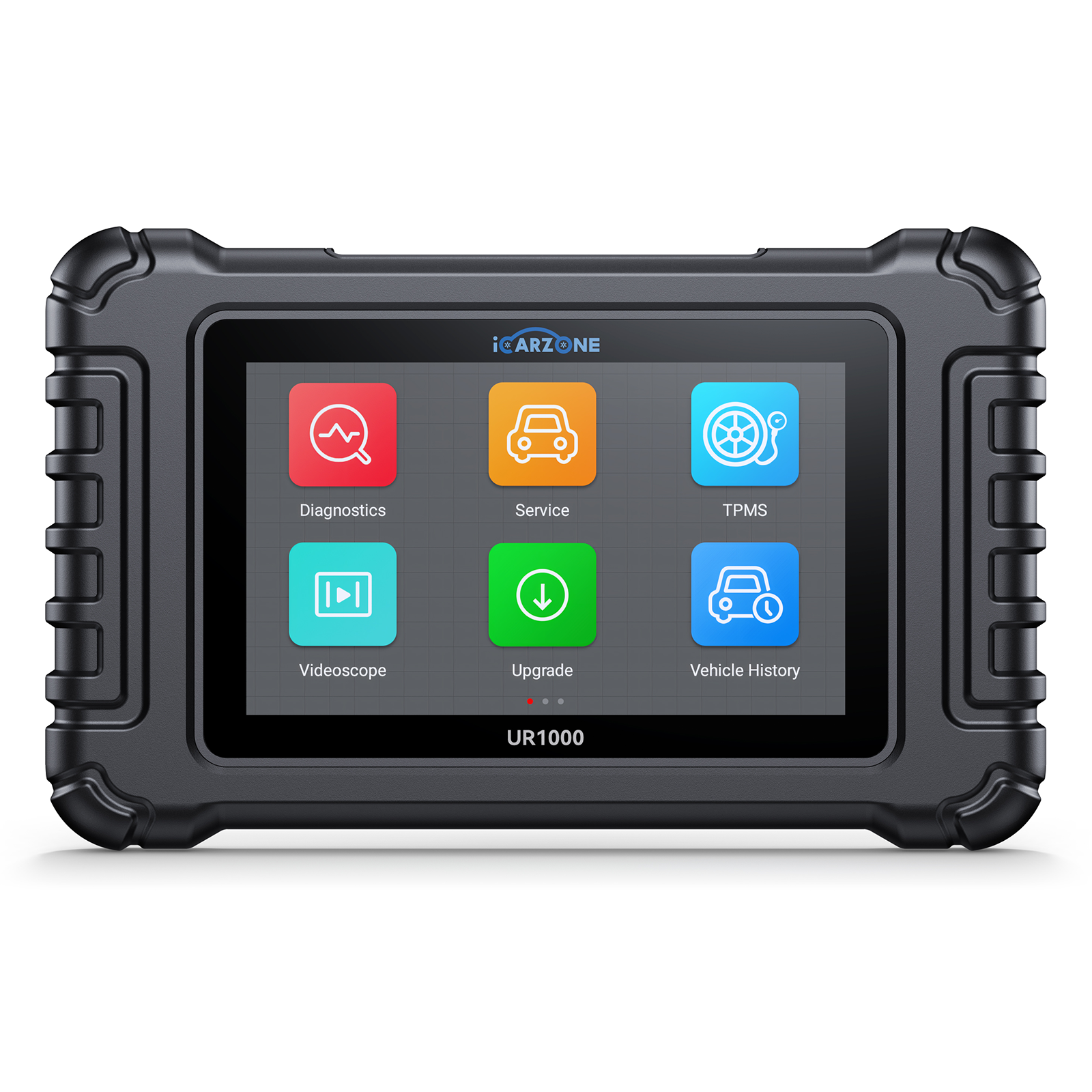
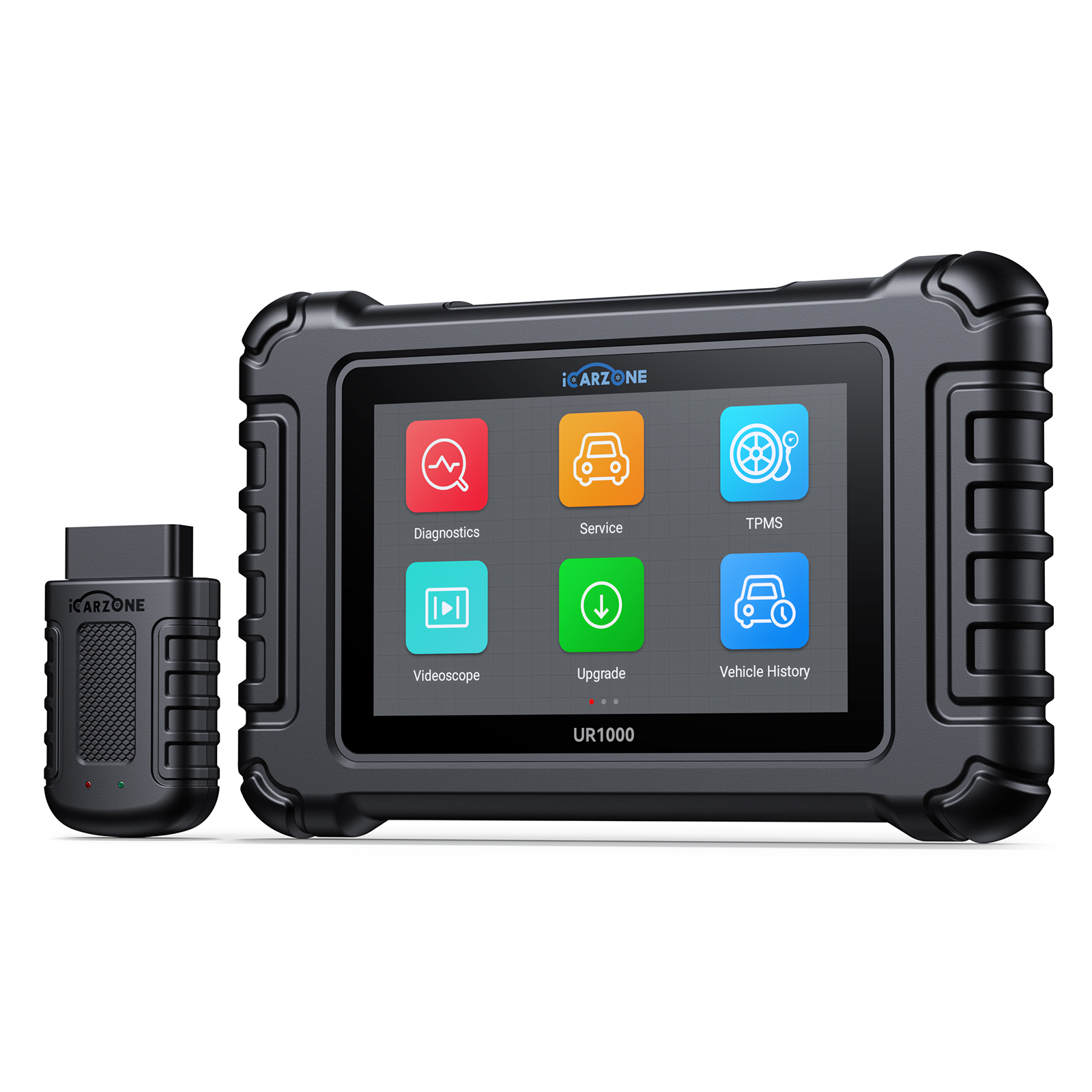
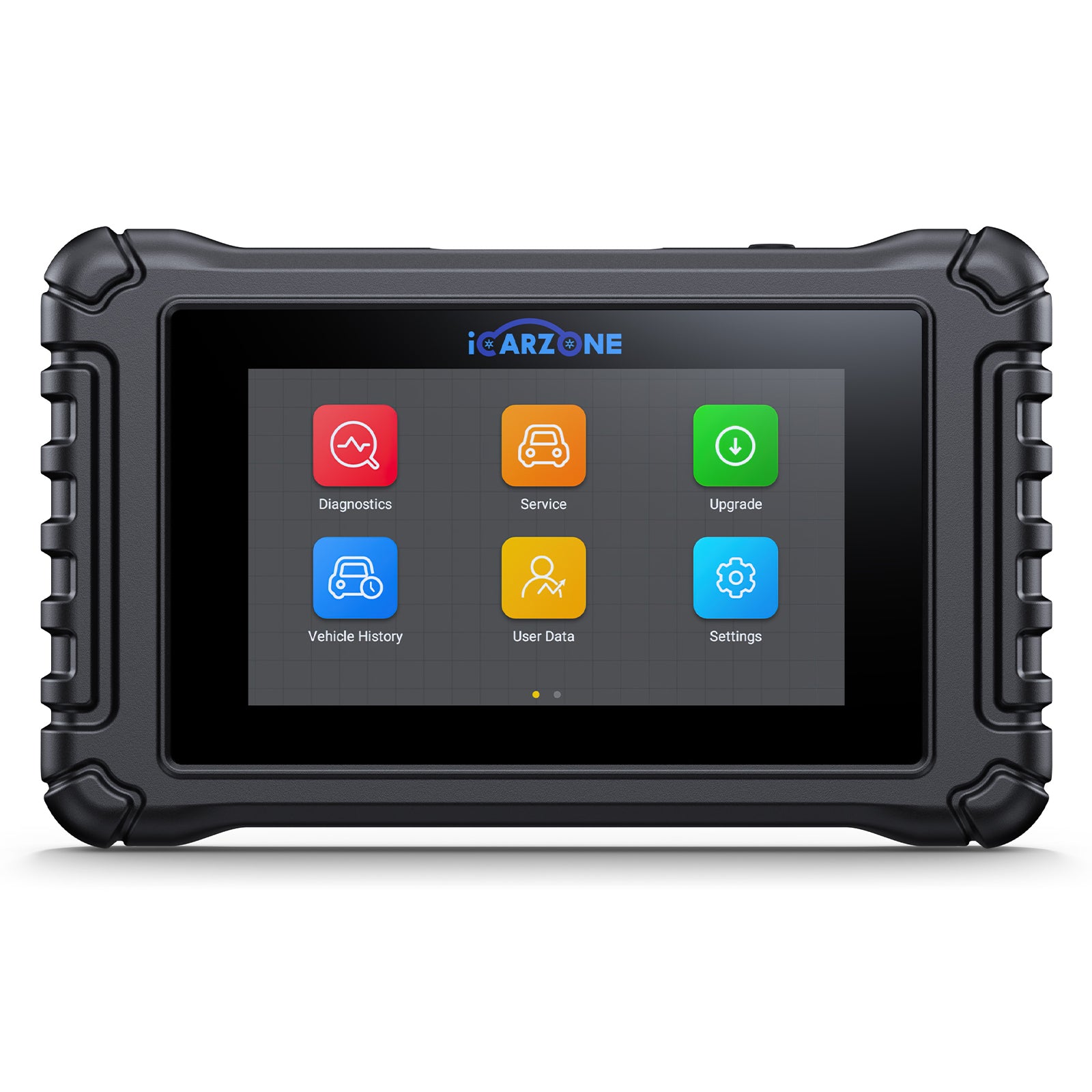
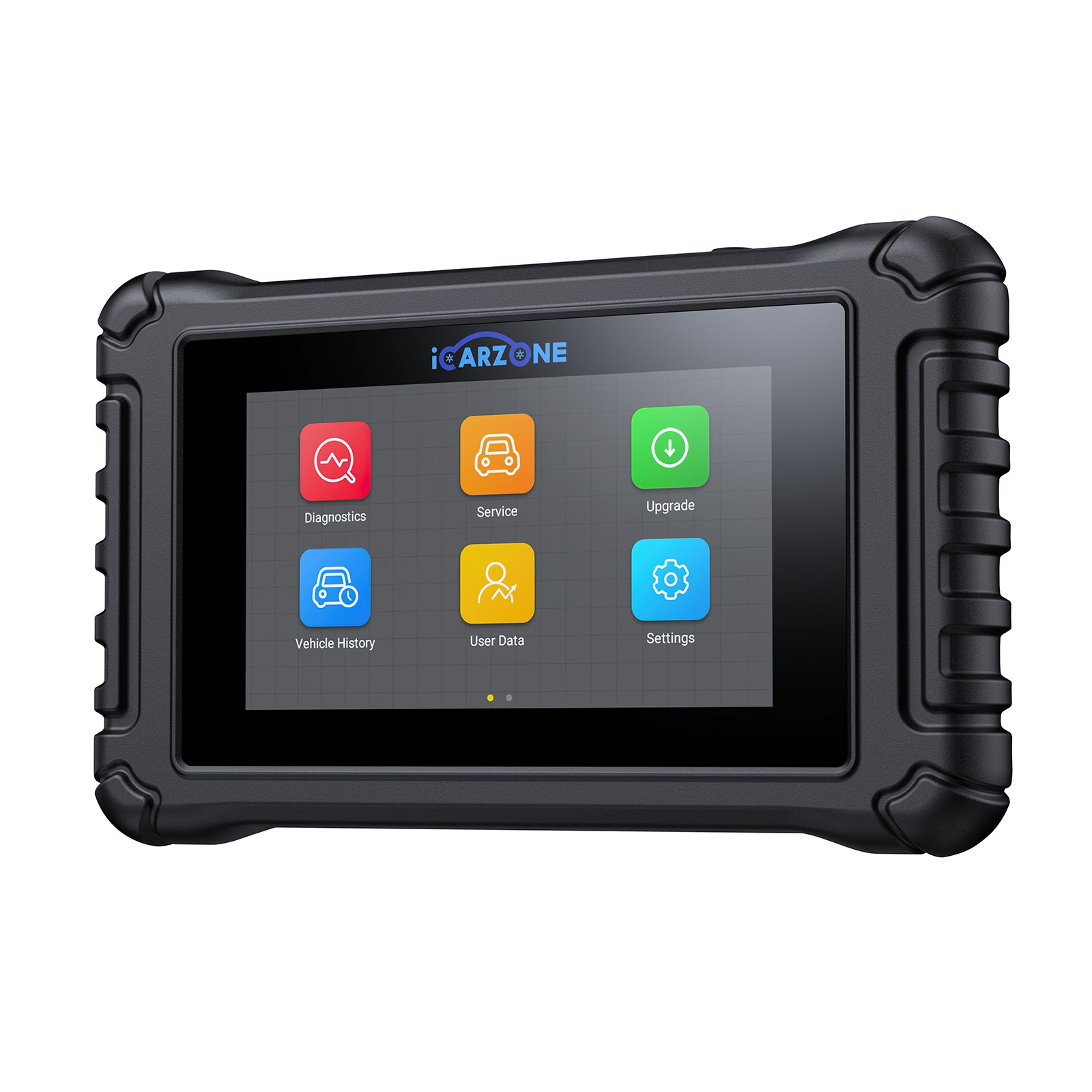
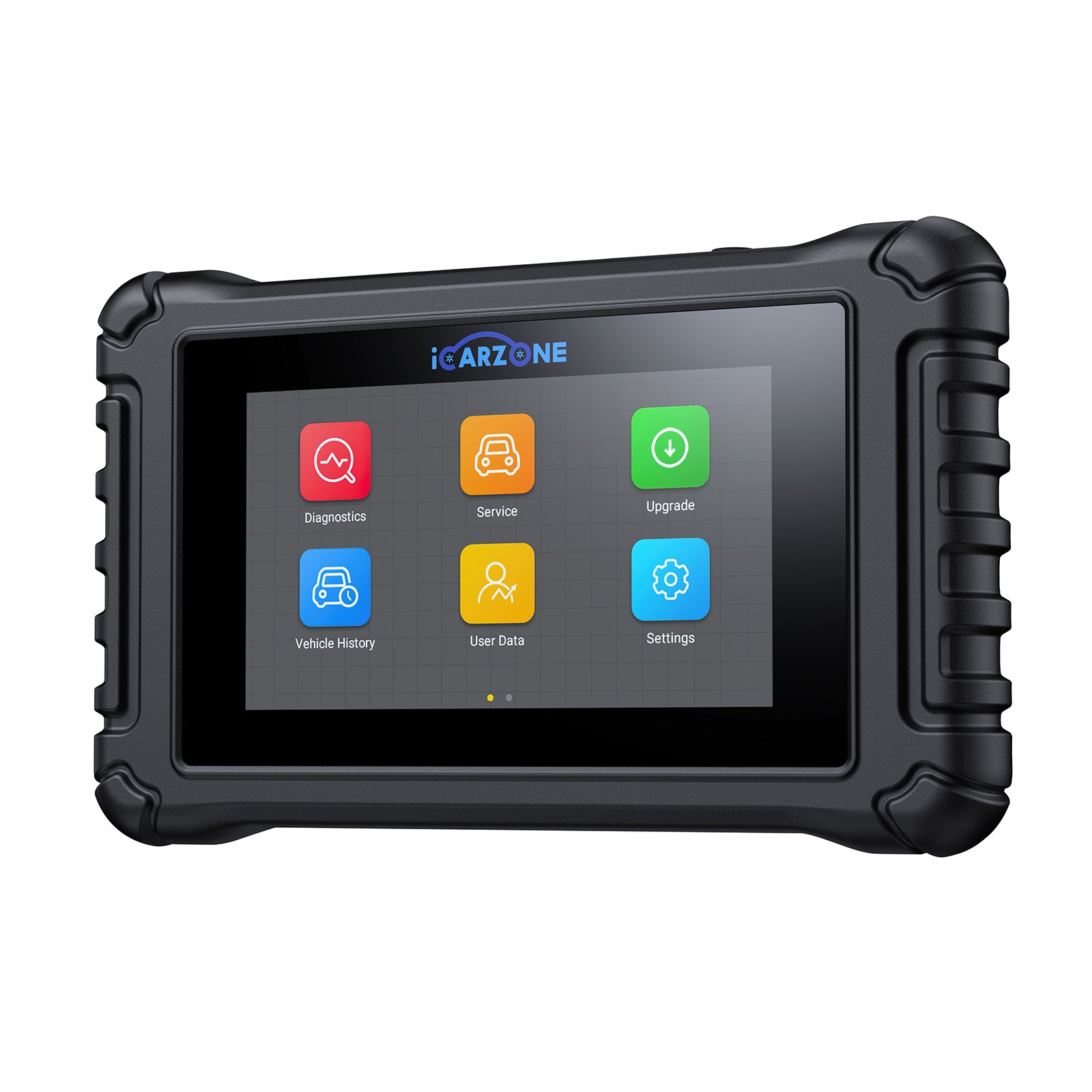
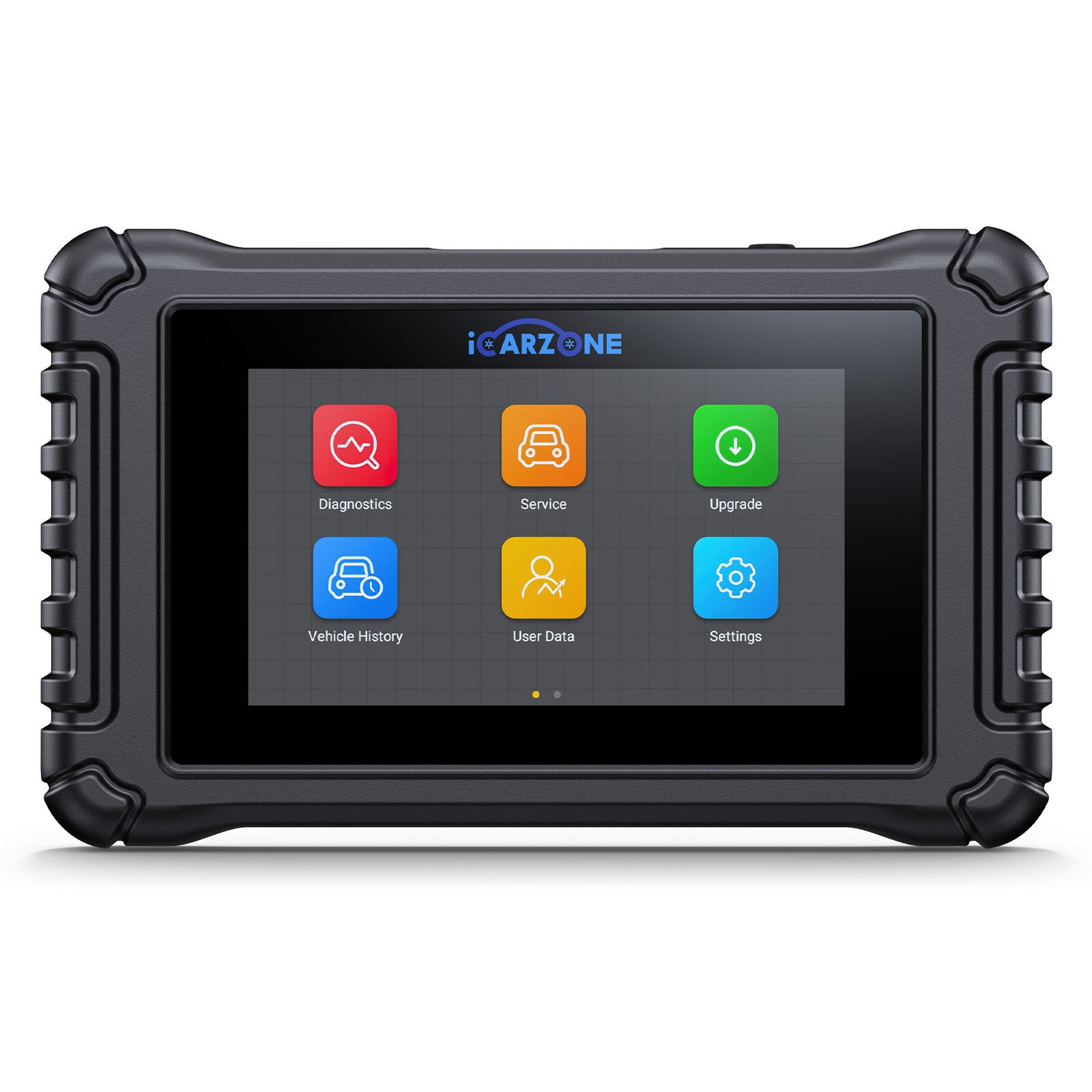
The iCarzone UR1000 reads PIDs like coolant temperature, displays freeze‑frame, and helps you confirm whether a sensor or the actual cooling system caused P1299 — saving guesswork and unnecessary parts replacement.
Diagnose & Verify with UR1000Cost & Time Estimates (typical ranges)
- Coolant top‑up & bleed — low cost, 30–60 minutes
- Thermostat replacement — parts $20–$100, 1–2 hours
- Water pump — parts $50–$300, 2–4 hours (varies widely)
- Radiator or fan assembly — parts $150–$600, shop time varies
- Head gasket / major repairs — high cost, many hours; shop estimate required
FAQ — quick answers
Can I drive with P1299 showing?
Shortly yes if the motor isn’t actually overheating, but it’s risky. If P1299 is genuine overheating, driving can cause serious damage. Diagnose promptly.
Will clearing the code fix it?
No — clearing only hides the symptom. You must fix the root cause (coolant level, thermostat, sensor, etc.) and verify with live data.
How does UR1000 help?
UR1000 reads and logs engine coolant temperature, displays freeze frame and PIDs, and helps you verify whether repairs actually solved the overheating trigger.
Prevention Tips
- Check coolant level periodically; use the correct coolant mix and replace per schedule.
- Fix small leaks early; replace aging hoses and radiator caps before failure.
- Replace thermostat at recommended intervals or when symptoms appear.
- Keep cooling fans and relays in good condition and test them periodically.