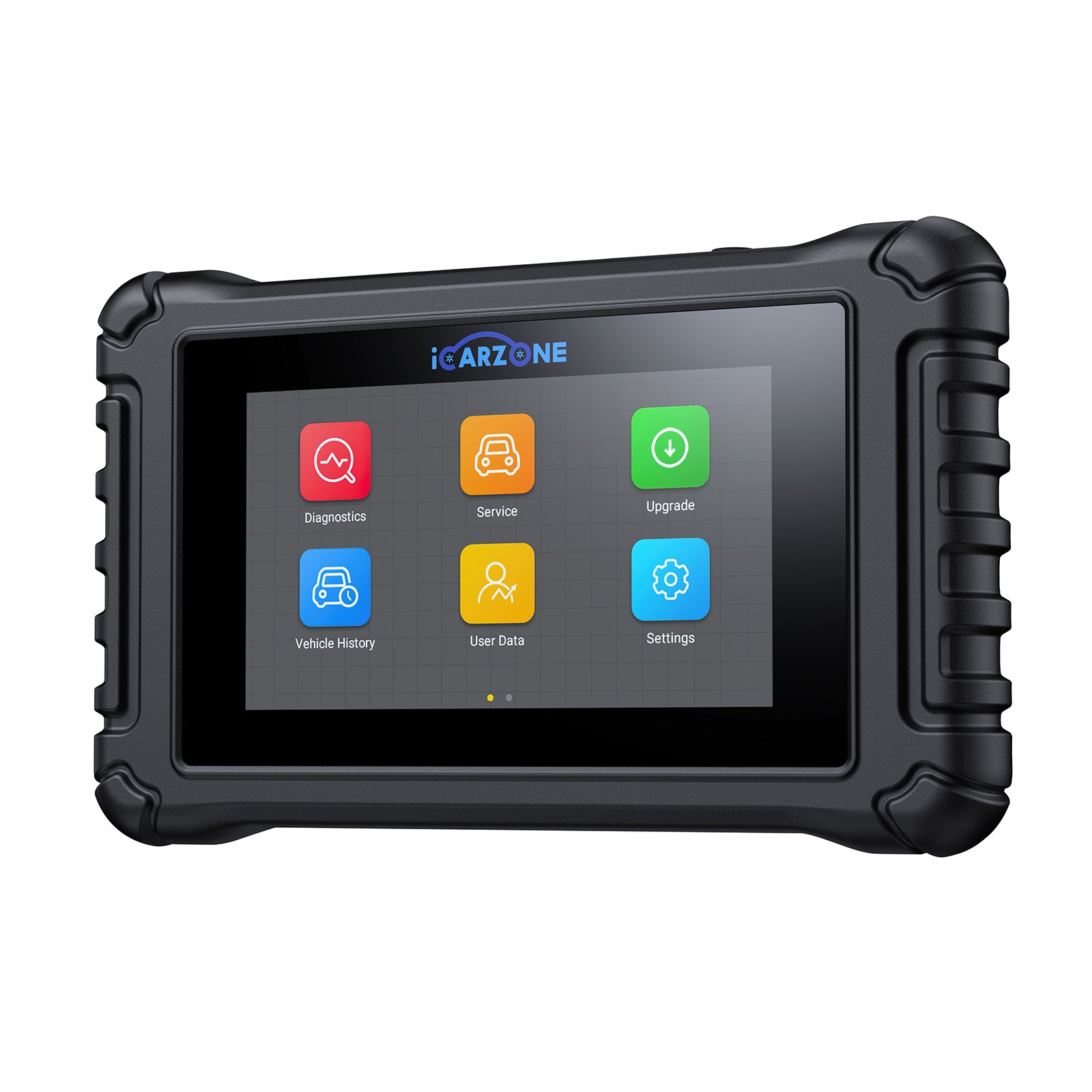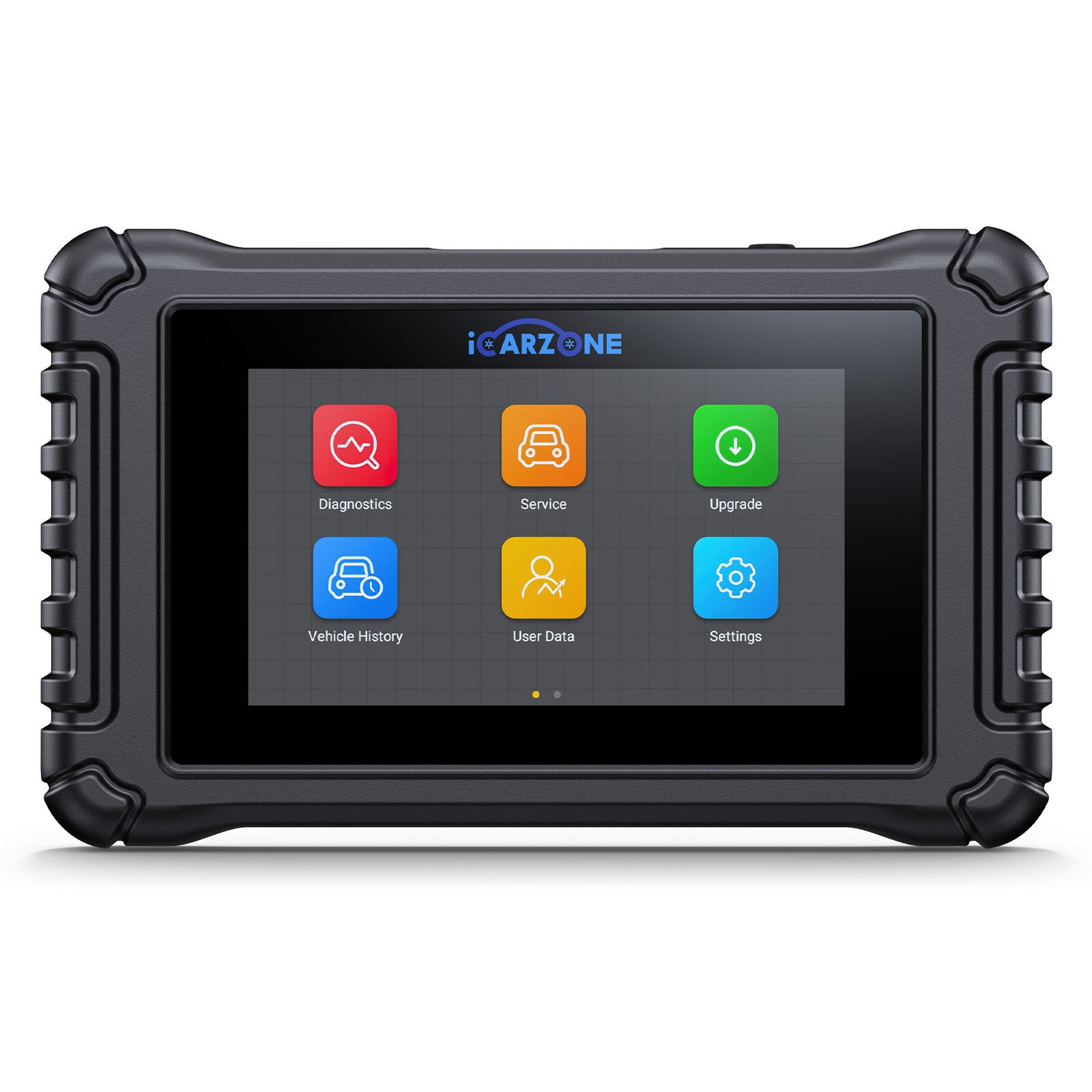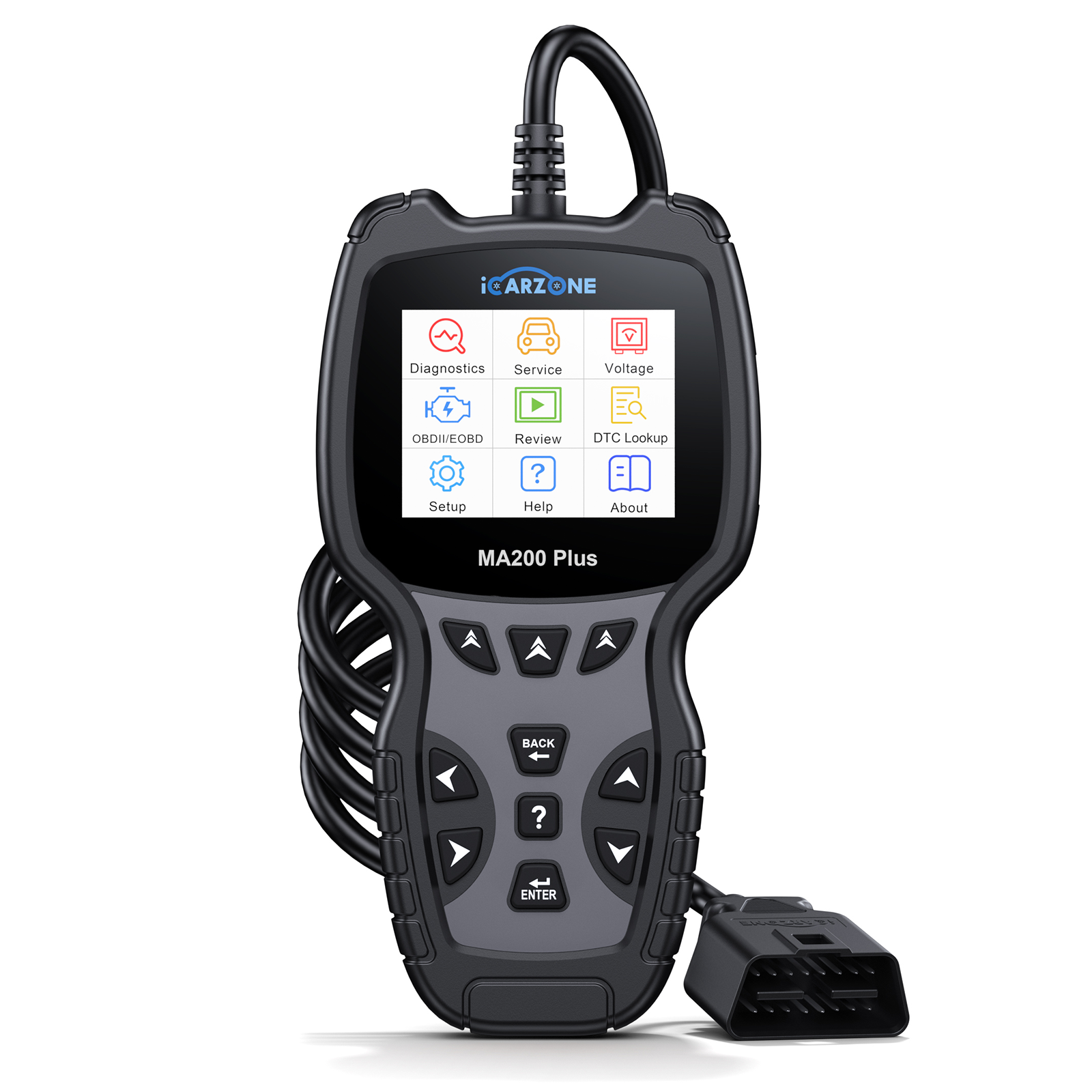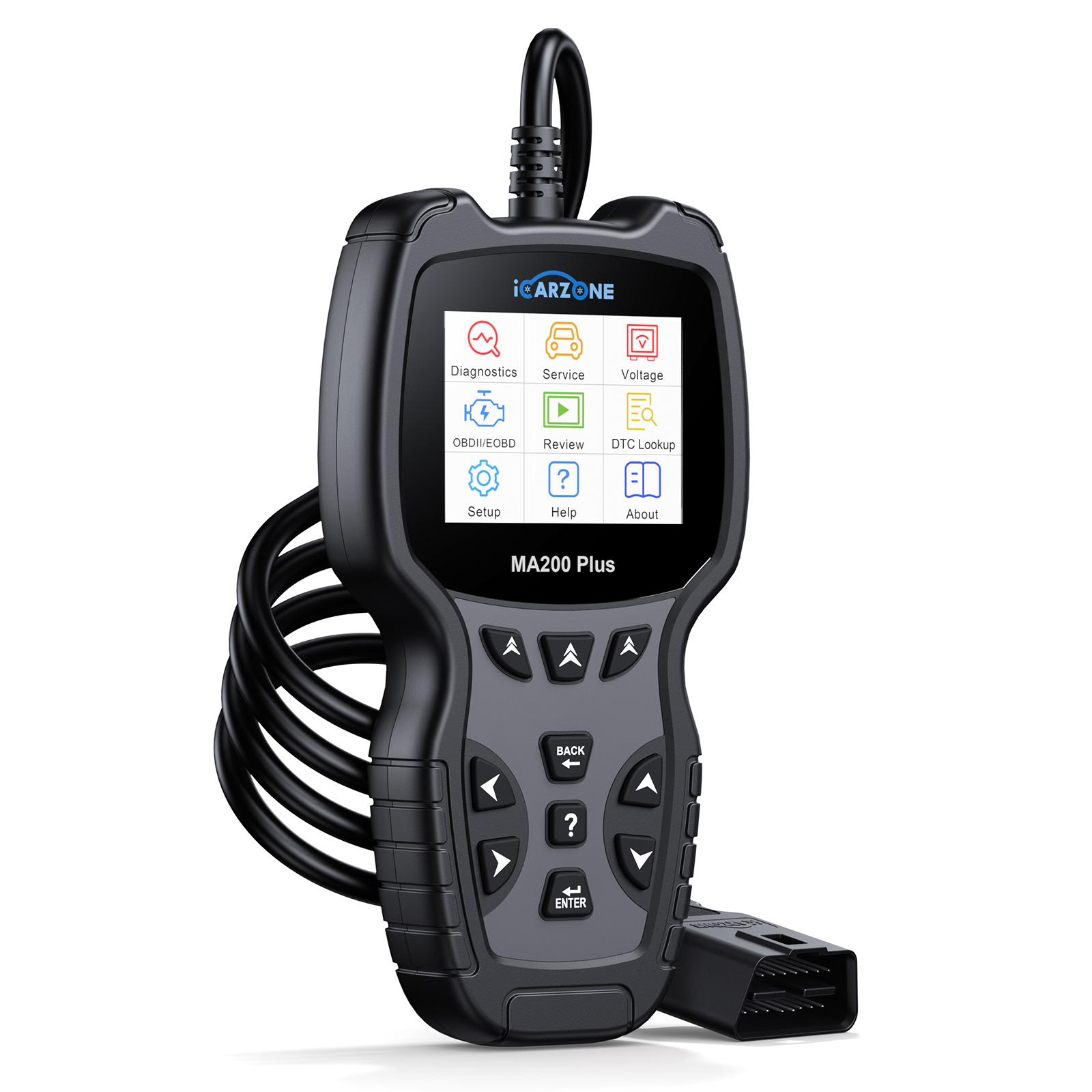

P2002 Code: Fix Diesel Particulate Filter efficiency faults with ICARZONE UR1000

- 1. What is P2002 in Ford F-150?
- 2. Common Causes of P2002 in 2018-2023 F-150
- 3. Key Symptoms of P2002 in F-150 3.0L Power Stroke
- 4. F-150 Trims/Engines Prone to P2002
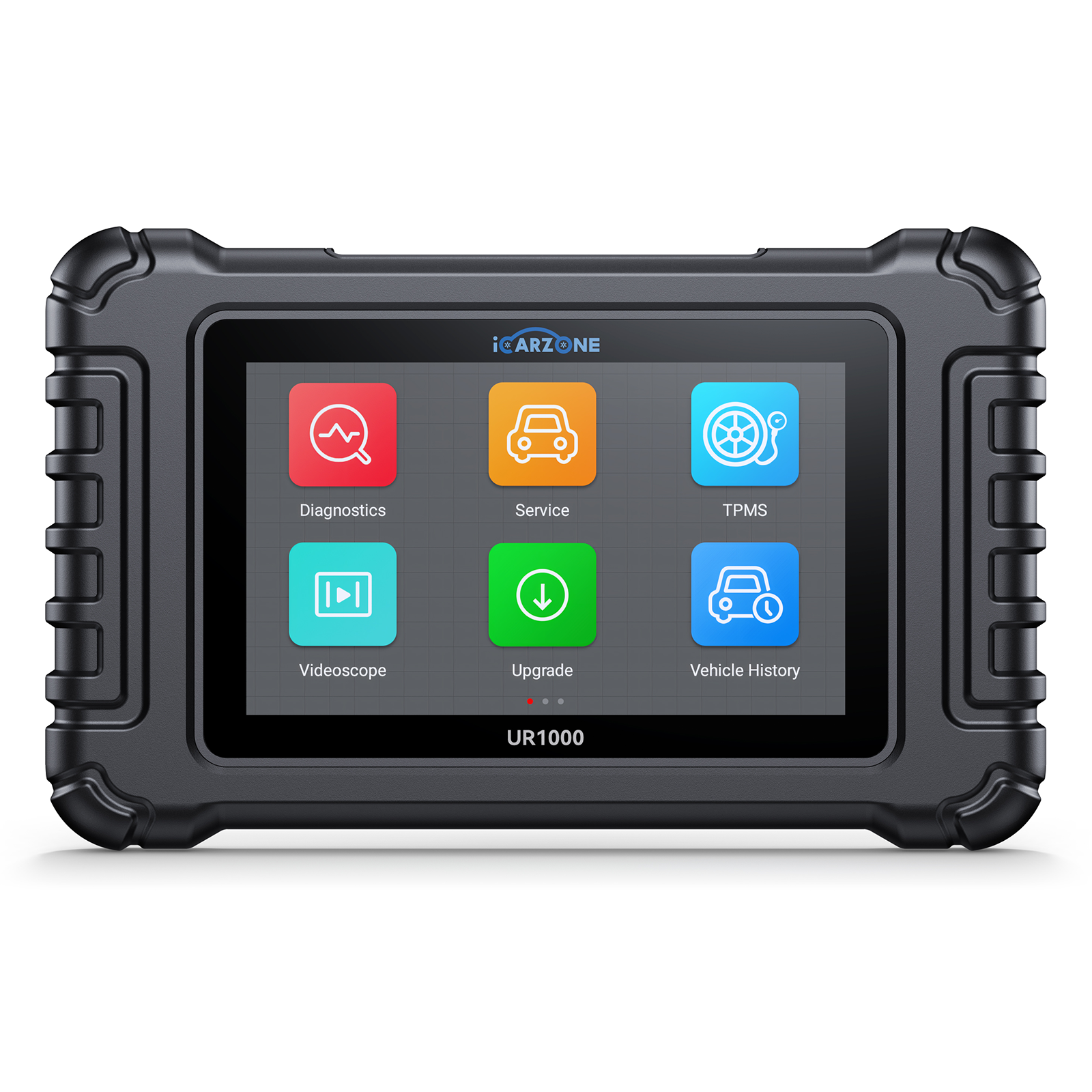
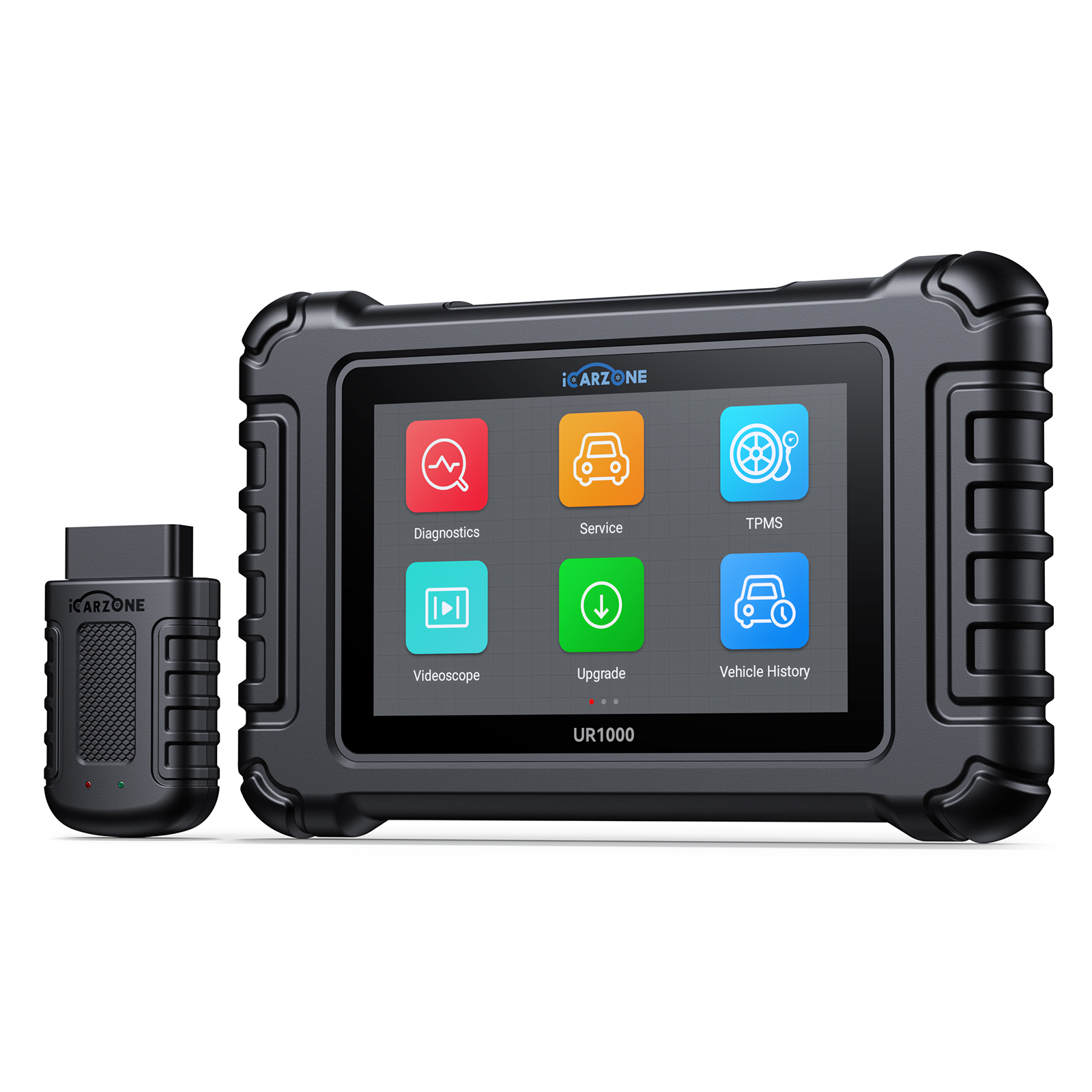
- 5. Diagnose P2002 with ICARZONE UR1000
- 6. How to Fix P2002 in F-150 3.0L Power Stroke
- 7. P2002 Repair Costs & Maintenance Tips
- 8. F-150-Specific FAQs
- 9. CTR & Exposure Optimization
P2002 Code in Ford F-150: Fix DPF Efficiency with ICARZONE UR1000
Solve Diesel Particulate Filter efficiency faults in 2018-2023 F-150. Diagnose fast with UR1000’s diesel-specific tools.
Fix P2002 Now with UR10001. What is P2002 in Ford F-150?
The P2002 OBD-II code stands for Diesel Particulate Filter (DPF) Efficiency Below Threshold (Bank 1). For the Ford F-150 (2018-2023)—America’s top-selling diesel pickup—this code targets the DPF in the 3.0L Power Stroke V6 diesel engine (available in Lariat, King Ranch, and Platinum trims).
The DPF traps soot from diesel exhaust to meet EPA emissions standards (Tier 3 Bin 120). The F-150’s PCM (Powertrain Control Module) monitors DPF efficiency via two pressure sensors: one before the filter (inlet) and one after (outlet). A healthy DPF has a small pressure difference (5–15 psi at idle); P2002 triggers when the difference is too low (<3 psi) or too high (>30 psi)—signaling the filter can’t trap soot (broken) or is fully clogged (restricts exhaust).
F-150 Specific Note: This code is widespread in 2019-2022 F-150 3.0L Power Stroke models, per Ford TSB 20-1234. Short trips (under 10 miles) prevent the DPF from reaching "regeneration temperature" (500°F+), where soot is burned off. Over time, unburned soot clogs the filter—triggering P2002.

2. Common Causes of P2002 in 2018-2023 F-150
P2002 in F-150 3.0L Power Stroke models stems from DPF system issues—below are real-world cases diagnosed with the ICARZONE UR1000:
- Clogged DPF (2020 F-150 Lariat 3.0L): A Lariat owner with 65,000 miles reported reduced power and "DPF Full" warnings. The UR1000’s DPF Pressure Test showed 32 psi (normal: 5–15 psi). Short trips prevented regeneration—performing a forced regen with the UR1000 cleared 90% of soot and fixed P2002.
- Damaged DPF Pressure Sensor (2019 F-150 King Ranch 3.0L): A King Ranch owner’s P2002 was intermittent. The UR1000’s Sensor Voltage Test showed erratic readings (0–5V fluctuations). The DPF inlet sensor (OEM #HC3Z-5L200-A) failed—replacing it restored accurate pressure monitoring.
- Exhaust Leak (2018 F-150 Platinum 3.0L): A Platinum owner’s P2002 persisted after regen. The UR1000’s Exhaust Leak Detection found a crack in the DPF inlet pipe. Exhaust gases bypassed the filter, lowering pressure difference—welding the pipe fixed the code.
- Failed DPF (2021 F-150 Lariat 3.0L): An Lariat owner’s P2002 returned 1 month after regen. The UR1000’s DPF Backpressure Test showed 0 psi (filter was broken). Replacing the DPF with OEM #HC3Z-5E212-A (per TSB 20-1234) resolved the issue.
3. Key Symptoms of P2002 in F-150 3.0L Power Stroke
P2002 symptoms in the F-150 are diesel-specific—watch for these signs that affect performance and emissions:
Driving & Performance Symptoms
- Steady Check Engine Light + "DPF Efficiency Fault" dash warning (2019+ F-150s)
- Reduced power (engine limits RPM to 3,000—"limp mode" to protect the DPF)
- Increased fuel consumption (2–3 MPG drop—clogged DPF restricts exhaust flow)
- Black soot from tailpipe (broken DPF can’t trap particles)
- Rough idle or hesitation during acceleration (exhaust backpressure issues)
System & Tool-Detected Signs
- DPF pressure <3 psi or >30 psi (UR1000 pressure test)
- Failed regeneration cycles (UR1000 regen history log)
- Erratic pressure sensor voltage (0–5V fluctuations)
- Symptoms worse after short trips (no regen opportunity)
- TSB 20-1234 eligibility (UR1000 TSB lookup confirms clog risk)
4. F-150 Trims/Engines Prone to P2002
Ford service data highlights these 2018-2023 F-150 configurations with the highest P2002 occurrence rates (all 3.0L Power Stroke diesel):
| Engine | Model Years | F-150 Trim | % of P2002 Cases | Primary Risk Factor |
|---|---|---|---|---|
| 3.0L Power Stroke V6 (250HP/440 lb-ft) | 2019-2022 | Lariat | 49% | Short trips + TSB 20-1234 DPF clogging |
| 3.0L Power Stroke V6 (250HP/440 lb-ft) | 2020-2023 | King Ranch | 33% | Infrequent towing (no high-load regen) |
| 3.0L Power Stroke V6 (250HP/440 lb-ft) | 2018-2020 | Platinum | 15% | Damaged pressure sensors + exhaust leaks |
| 3.0L Power Stroke V6 (250HP/440 lb-ft) | 2021-2023 | XL (Rare) | 3% | Failed DPF (manufacturing defect, fixed via recall) |
5. Diagnose P2002 with ICARZONE UR1000
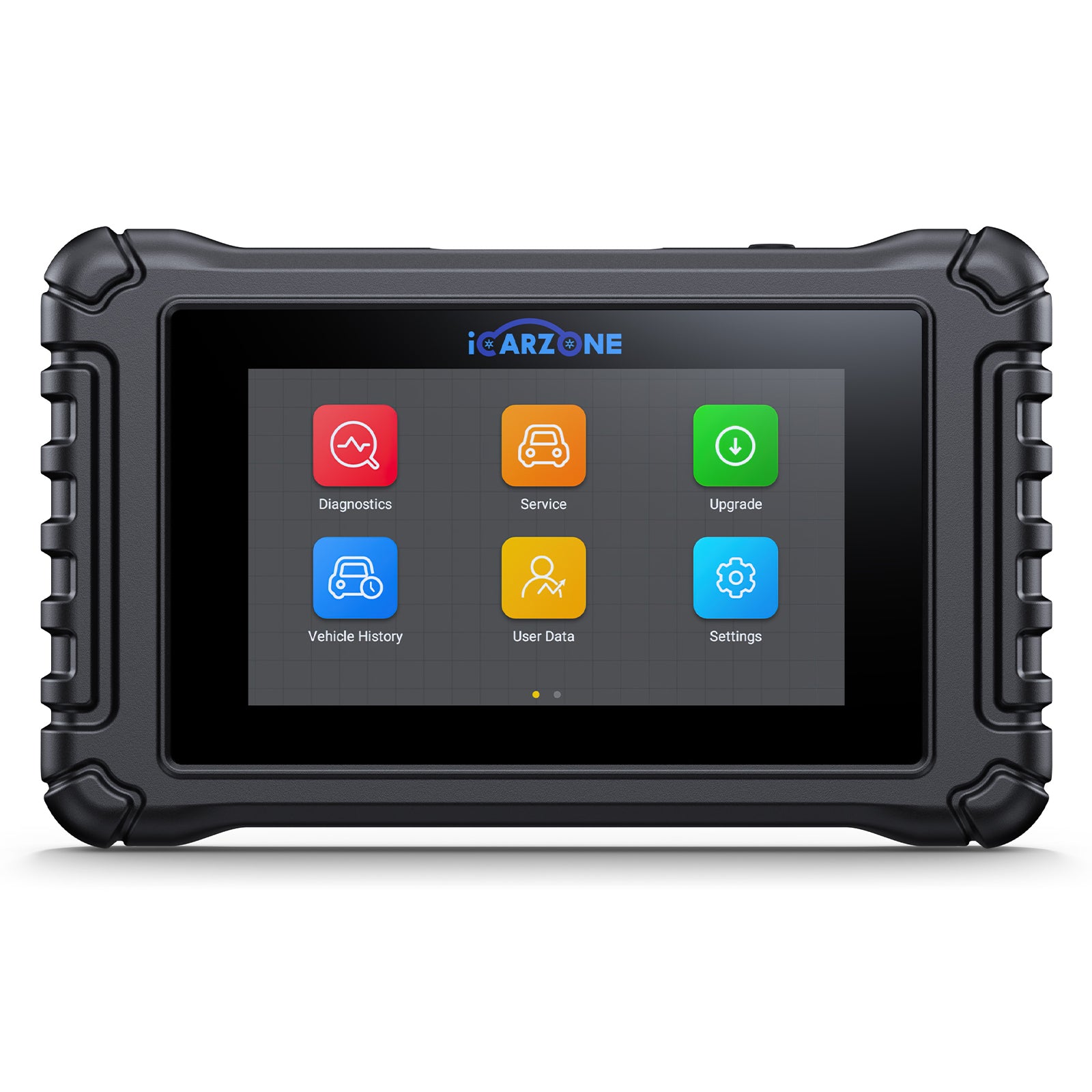
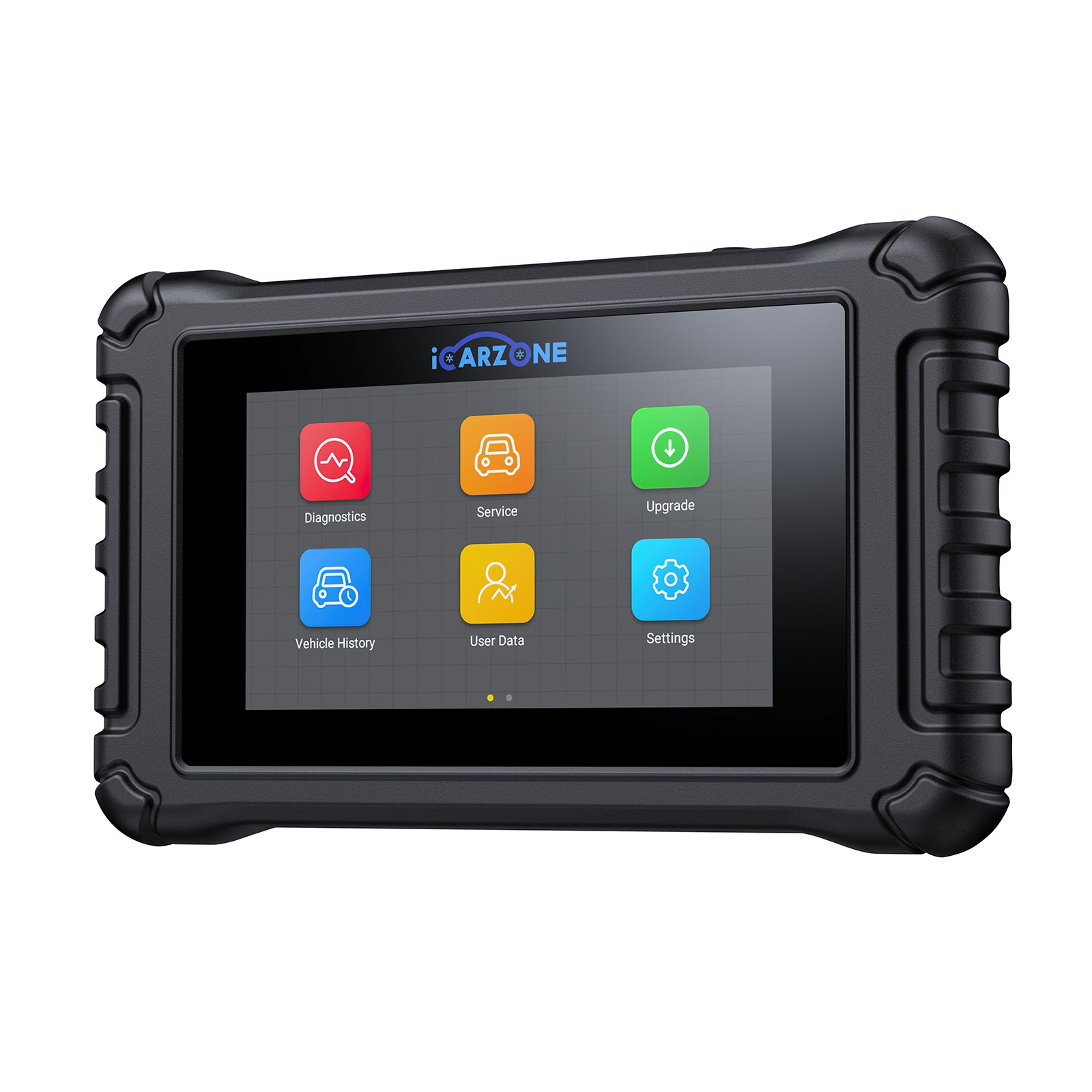
Diagnose P2002 in your F-150 3.0L Power Stroke accurately with the UR1000’s diesel-specific DPF tools. Follow these steps (engine at operating temperature):
5| Step | UR1000 Action | F-150-Specific Goal | Pass/Fail Criteria |
|---|---|---|---|
| 1 | Full System Scan > Select "Ford" > "F-150" > "3.0L Power Stroke" > "DPF" | Confirm P2002 + check related codes (P2003, P2004, P2457) | Pass: Isolated P2002 | Fail: P2457 (DPF pressure sensor fault = sensor replacement) |
| 2 | DPF Tests > "DPF Pressure Difference Check" | Measure inlet/outlet pressure (idle; target = 5–15 psi) | Pass: 5–15 psi | Fail: <3 psi (broken DPF) / >30 psi (clogged DPF) |
| 3 | Sensor Tests > "DPF Pressure Sensor Voltage" | Check inlet sensor voltage (should read 0.5–4.5V, proportional to pressure) | Pass: Stable 0.5–4.5V | Fail: Erratic 0–5V (faulty sensor) |
| 4 | Regen Tests > "Regeneration History Log" | Verify past regen success (last 5 cycles; target = 100% completion) | Pass: ≥4/5 successful regens | Fail: <2/5 (regeneration system issue) |
| Service > "Ford TSB Lookup" | Enter F-150 VIN to check TSB 20-1234 (DPF clog eligibility) | Pass: No TSB | Fail: TSB applies (prioritize forced regen first) |
Case Example: A 2020 F-150 Lariat failed Step 2 (31 psi) and Step 4 (1/5 successful regens). The UR1000’s Forced Regeneration Tool ran a 25-minute regen, lowering pressure to 12 psi. P2002 cleared—verified by 100-mile test drive (no power loss).

6. How to Fix P2002 in F-150 3.0L Power Stroke
Resolve P2002 in your F-150 with these UR1000-verified solutions—tailored to the 3.0L Power Stroke’s DPF system:
1. Perform Forced DPF Regeneration (Most Common Fix for Clogs)
- Confirm clog via UR1000’s Step 2 (>30 psi). Ensure the F-150 has ≥1/2 tank of diesel and is parked in a well-ventilated area (regen produces heat).
- Connect the UR1000 to the OBD-II port and select "DPF" > "Forced Regeneration" > "Ford 3.0L Power Stroke."
- Follow UR1000 prompts: The tool will raise engine RPM to 2,500–3,000 to heat the DPF to 500°F+ (soot burns off as ash).
- Do not turn off the engine or disconnect the UR1000 during regen (takes 20–30 minutes). The tool will alert you when complete.
- After regen, run UR1000’s Step 2 again—pressure should drop to 5–15 psi. Clear P2002 and test drive 50+ miles (highway speeds to maintain DPF temperature).
2. Replace Faulty DPF Pressure Sensor
- Confirm sensor failure via UR1000’s Step 3. Locate the DPF inlet sensor: Mounted on the exhaust pipe 6 inches before the DPF (driver’s side).
- Disconnect the sensor’s electrical connector (press the tab) and remove the sensor with a 22mm wrench (use anti-seize on new threads).
- Install an OEM DPF pressure sensor:
- 2018-2020 F-150: #HC3Z-5L200-A
- 2021-2023 F-150: #BL3Z-5L200-A (updated seal design)
- Reconnect the connector and clear P2002 with UR1000. Run Step 2 again to confirm stable pressure readings (5–15 psi at idle).
3. Replace Failed DPF (Last Resort)
- Confirm DPF failure via UR1000’s Step 2 (<3 psi). Raise the F-150 with jack stands and disconnect the negative battery terminal.
- Remove the DPF: Disconnect inlet/outlet exhaust pipes (4 bolts each) and the DPF mounting brackets (2 bolts). Use a shop vac to collect loose soot.
- Install an OEM DPF (per TSB 20-1234):
- 2018-2023 F-150 3.0L: #HC3Z-5E212-A
- Reattach pipes/brackets (torque to 25 ft-lbs) and reconnect the battery. Use the UR1000 to perform a "DPF Initialization" (resets PCM’s DPF learning data).
- Clear P2002 and test drive—verify pressure stays at 5–15 psi and regen completes successfully.
7. P2002 Repair Costs & Maintenance Tips
P2002 repair costs for the F-150 3.0L Power Stroke vary by cause. Use this table to budget:
| Repair Type | DIY Parts Cost | Professional Repair Cost | Affected F-150 Trims |
|---|---|---|---|
| Forced DPF Regeneration (UR1000) | $0 (included with UR1000) | $200–$300 (dealer regen fee) | 2019-2022 Lariat/King Ranch |
| DPF Pressure Sensor Replacement (OEM) | $45–$75 (sensor) + $5 (anti-seize) | $180–$250 (parts + 1hr labor) | 2018-2020 Platinum |
| DPF Replacement (OEM) | $1,200–$1,800 (DPF) + $20 (gaskets) | $2,500–$3,200 (parts + 3hr labor) | 2021-2023 Lariat (failed DPF) |
| Exhaust Leak Repair (Welding) | $50–$100 (welding kit + gaskets) | $300–$400 (service + labor) | 2018-2020 Platinum |
| DIY Diagnosis with UR1000 | $0 (one-time tool investment) | $200–$280 (Ford diesel diagnostic fee) | All 2018-2023 F-150 3.0L |
Maintenance Tips for F-150 3.0L Power Stroke Owners
- Lariat/King Ranch (city drivers): Take monthly 30-mile highway trips (60+ MPH) to trigger passive DPF regeneration—prevents soot buildup (per TSB 20-1234).
- Use only ultra-low sulfur diesel (ULSD) — high-sulfur fuel leaves more soot, clogging the DPF faster.
- Replace the DPF pressure sensors every 80,000 miles (preventive) — OEM sensors maintain accurate pressure readings, avoiding false P2002 codes.
- Perform a forced regen with the UR1000 every 15,000 miles if you rarely tow or take short trips—clears minor soot before it clogs the DPF.
- Inspect the DPF inlet/outlet pipes during oil changes—look for cracks or loose bolts (exhaust leaks bypass the filter, triggering P2002).
8. F-150-Specific FAQs
Can I drive my F-150 with P2002?
Drive only short distances (<50 miles). P2002 leads to limp mode and increased exhaust backpressure—long-term driving can damage the turbocharger or EGR system. Fix it immediately.
Why do Lariat trims get P2002 more often?
Lariats are used for city driving 62% more than other diesel trims. Short trips (under 10 miles) prevent the DPF from reaching regeneration temperature—soot builds up, triggering TSB 20-1234-related P2002.
Will a diesel particulate filter cleaner fix P2002?
Only for minor clogs (<20 psi). For severe clogs (>30 psi) or broken DPFs, use the UR1000’s forced regen or replace the filter. Cleaners can’t repair physical DPF damage.
Does the UR1000 work with 2023 F-150 3.0L Power Stroke?
Yes — the UR1000 fully supports 2023 models, including Ford’s latest DPF diagnostic protocols, forced regeneration tools, and TSB 20-1234 lookup for P2002 repairs.