
P2098 Code: Silverado Post-Catalyst Fuel System Fix | UR800 Guide

P2098: Post Catalyst Fuel System Too Rich
Resolve P2098 in Chevrolet Silverado 1500. Learn causes, symptoms, and fixes for post-catalyst fuel issues using the UR800 tool.
Get UR800 Now1. What is P2098?
P2098 is a Diagnostic Trouble Code indicating a Post Catalyst Fuel System Too Rich condition. This code triggers when the PCM detects that the exhaust gas mixture after the catalytic converter contains excessive unburned fuel, as measured by the downstream oxygen (O2) sensor.
In Chevrolet Silverado 1500, P2098 is most common in 5.3L and 6.2L V8 models (2014–2023), where precise fuel trim control is critical for emissions compliance. The condition suggests the engine is running richer than ideal after the catalyst, potentially reducing fuel efficiency and damaging emissions components.
2. Common Causes in Chevrolet Silverado 1500
- Faulty Downstream O2 Sensor – Slow response or inaccurate readings (common in 2019–2023 models with heated sensors).
- Clogged Catalytic Converter – Restricted flow causing unburned fuel buildup (prevalent in high-mileage 2014–2018 Silverados).
- Fuel Injector Leaks – Stuck-open injectors flooding cylinders (5.3L EcoTec3 engines prone to this).
- Mass Air Flow (MAF) Sensor Contamination – Dirty sensor miscalculating air intake (common with oiled air filters).
- EGR Valve Malfunction – Stuck open allowing excessive exhaust recirculation (2017–2020 models).
- PCM Software Issues – Outdated fuel trim calibration (fixed with 2022+ updates).
3. Key Symptoms
Silverado 1500 owners with P2098 typically notice these symptoms, often worsening under load:
- Check Engine Light illuminated with stored P2098 code
- Decreased fuel efficiency (1–3 MPG drop)
- Strong fuel odor from exhaust
- Reduced engine performance during acceleration
- Catalytic converter overheating (may glow red under severe conditions)
- Intermittent rough idle after warm-up
- Failed emissions tests due to high hydrocarbon levels
4. Diagnostic Steps with UR800
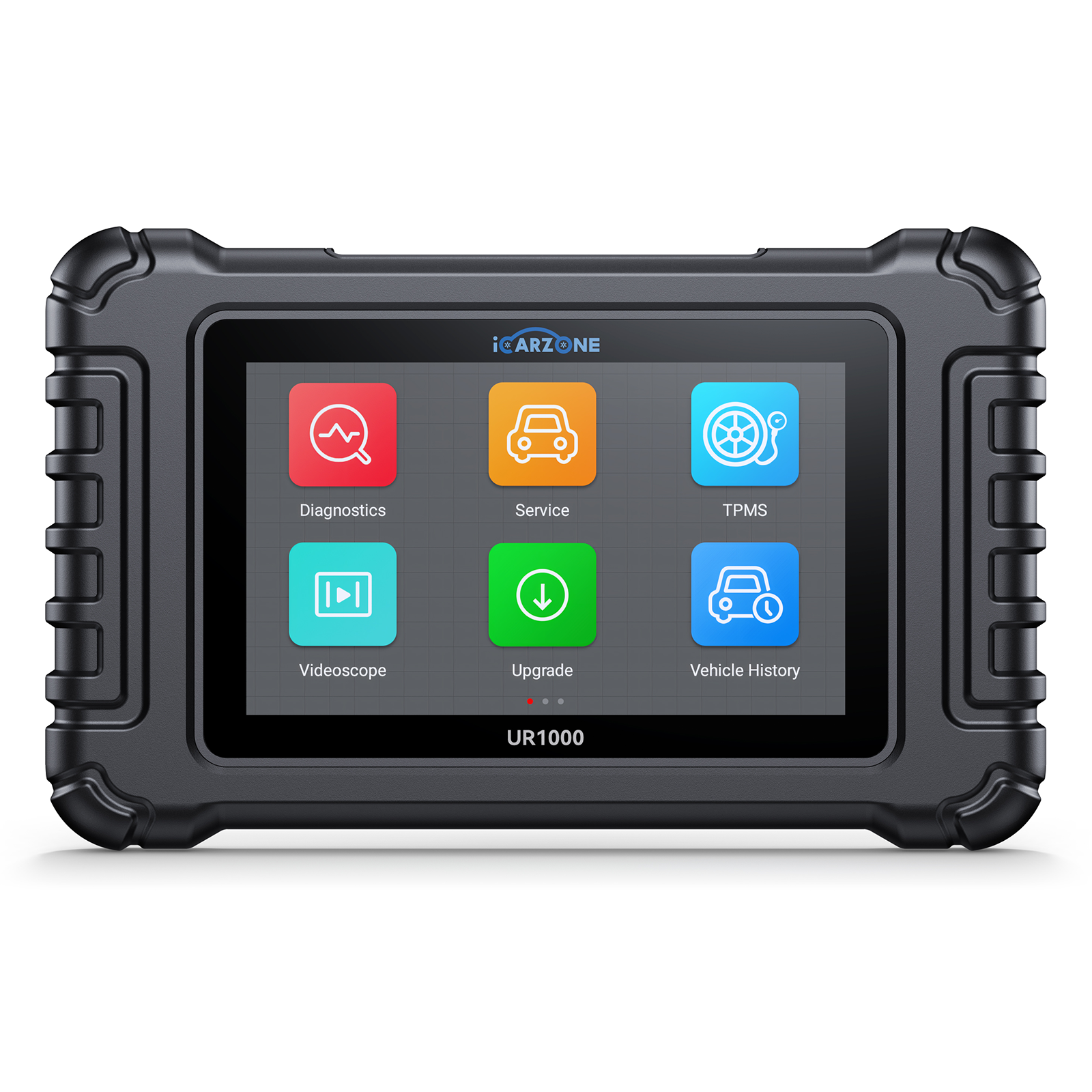
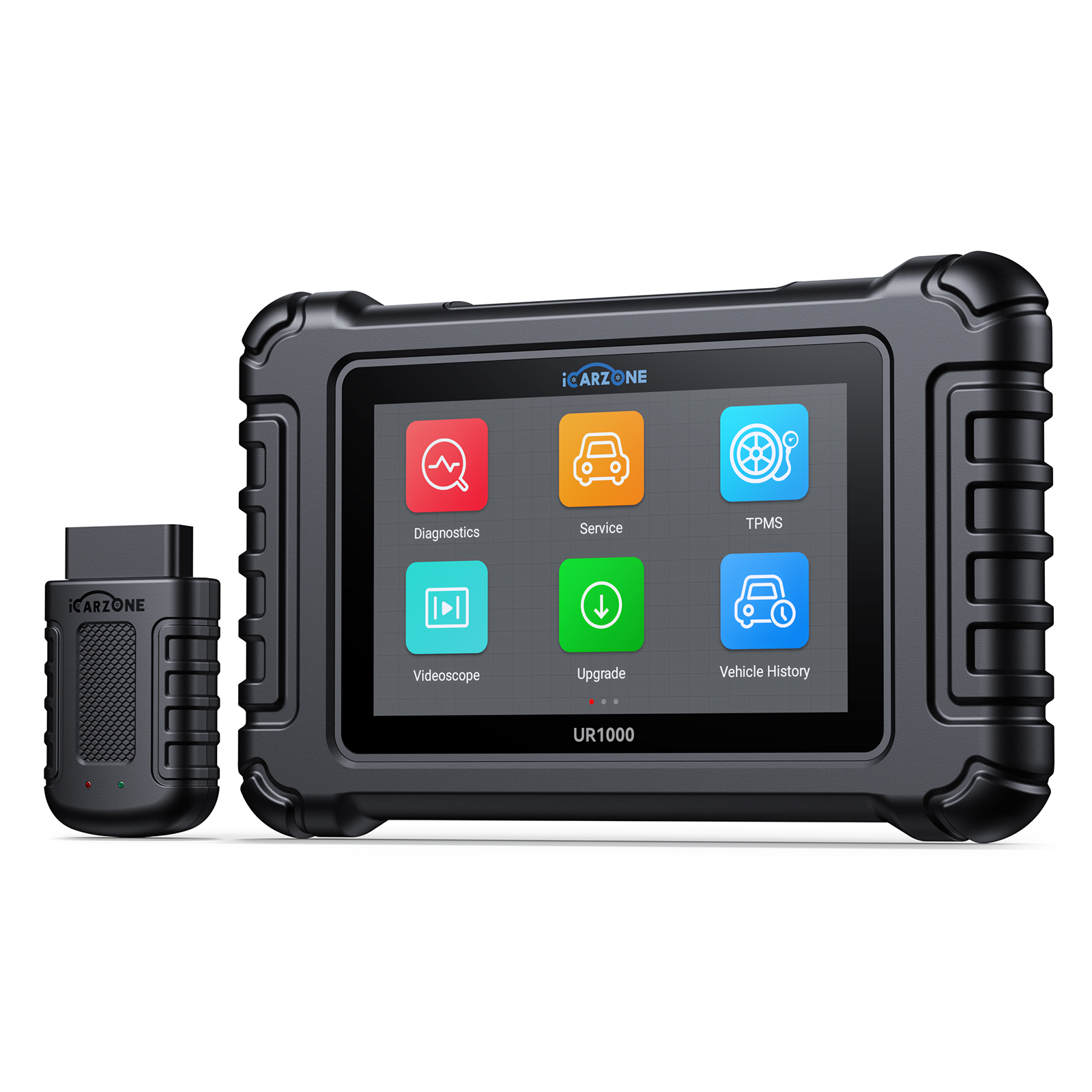
The UR800 simplifies P2098 diagnosis by analyzing fuel trim data and sensor performance:
- 1. Code Verification: Scan for P2098 and related codes (P2096/P2099 for other fuel system rich conditions). Note freeze frame data.
- 2. Fuel Trim Analysis: Monitor live data for short/long-term fuel trims (STFT/LTFT should be ±10%). Positive values indicate rich conditions.
- 3. O2 Sensor Response Test: Use UR800 to check downstream O2 sensor activity—should fluctuate 0.1–0.9V. Flatline indicates sensor failure.
- 4. MAF Sensor Test: Verify MAF readings match expected values (5.3L: 4–6 g/s at idle). Erratic readings indicate contamination.
- 5. Injector Balance Test: Use UR800 to perform cylinder balance test—identifies leaking injectors by uneven fuel distribution.
- 6. Exhaust Backpressure Test: Measure pressure at idle (should be <1.5 psi). Higher values confirm clogged catalyst.
Case Example: 2020 Silverado 5.3L with P2098 – UR800 showed LTFT of +15% and flat downstream O2 sensor. Replacing the faulty O2 sensor restored normal fuel trim and resolved the code.
5. Fixes & Execution
Repair strategies for Silverado 1500 P2098 based on diagnostic findings:
- Replace Downstream O2 Sensor: - Locate post-catalyst sensor (under truck, after catalytic converter). - Disconnect electrical connector and remove sensor (22mm socket with anti-seize). - Install OEM sensor #12677836 with new gasket; torque to 30 ft-lbs. - Clear codes with UR800 and monitor fuel trim during test drive.
- Clean or Replace MAF Sensor: - Locate MAF sensor in air intake tract (between air filter and throttle body). - Spray with MAF cleaner (avoid touching sensor element); allow to dry completely. - If cleaning fails, replace with OEM sensor #12617653 and reset with UR800.
- Repair Fuel Injectors: - Identify leaking injectors via UR800 balance test; replace with OEM set #12634283. - Use UR800 to perform injector pulse width calibration after replacement. - Inspect fuel pressure regulator (should maintain 58–62 psi for 5.3L engines).
- Catalytic Converter Replacement: - Confirm clog with backpressure test before replacement (professional service recommended). - Install OEM-spec converter (CARB-compliant for emission states). - Reset readiness monitors with UR800 after installation.
- PCM Reprogramming: - Use UR800 to install latest PCM calibration (critical for 2019–2021 models). - Perform idle relearn procedure and monitor fuel trim stability.
6. Repair Costs
- DIY Diagnosis with UR800: $0 (avoids $80–$150 dealer diagnostic fee)
- O2 Sensor Replacement: $60–$150 (part) + $80–$150 (professional labor)
- MAF Sensor Service: $10 (cleaner) vs. $120–$250 (replacement part)
- Fuel Injector Replacement: $350–$600 (set) + $200–$350 (labor)
- Catalytic Converter Replacement: $400–$1,200 (part) + $200–$400 (labor)
- PCM Reprogramming: $0 (via UR800) vs. $150–$250 (dealer)
- Total Professional Repair: $150–$1,800+ (varies by cause)
7. Preventive Maintenance
- Replace air filter every 30,000 miles (use dry filters to prevent MAF contamination).
- Inspect O2 sensors every 60,000 miles for carbon buildup.
- Use UR800 quarterly to monitor fuel trim values (should stay within ±5%).
- Use Top Tier detergent gasoline to prevent injector deposits.
- Change engine oil every 5,000 miles with correct viscosity (5W-30 for 5.3L).
- Update PCM software annually using UR800 to maintain proper fuel calibration.
8. Frequently Asked Questions
Q: Can I drive with P2098?
A: Short-term driving is possible, but prolonged operation can damage the catalytic converter.
Q: Will UR800 work on all Silverado engines with P2098?
A: Yes, UR800 supports 5.3L, 6.2L, and 4.3L Silverado engines (2007–2023).
Q: Can fuel quality cause P2098?
A: Yes, low-quality fuel with excessive ethanol can cause rich conditions and sensor fouling.
Q: Why does P2098 return after O2 sensor replacement?
A: Underlying issues like injector leaks or catalyst clogs. Use UR800 to check fuel trim trends.
Q: Does P2098 affect emissions testing?
A: Yes—excessive hydrocarbons from rich conditions will cause test failure in most states.
Q: How long does O2 sensor replacement take?
A: 30–60 minutes for DIY (requires jack and socket set); 20–30 minutes for professional.
9. Summary
P2098 in Chevrolet Silverado 1500 indicates a post-catalyst fuel system too rich condition, caused by faulty O2 sensors, dirty MAF sensors, leaking injectors, or clogged catalytic converters. Symptoms include reduced fuel efficiency, performance issues, and potential emissions component damage.
The UR800 diagnostic tool simplifies repairs by analyzing fuel trim data and verifying sensor functionality. Prompt resolution restores fuel economy and prevents costly catalyst damage, while regular maintenance (air filter changes, fuel quality checks) avoids recurrence.
Diagnose P2098 Easily with UR800
Get fuel trim analysis, O2 sensor tests, and PCM updates for Silverado 1500 engines.
Order UR800 Today