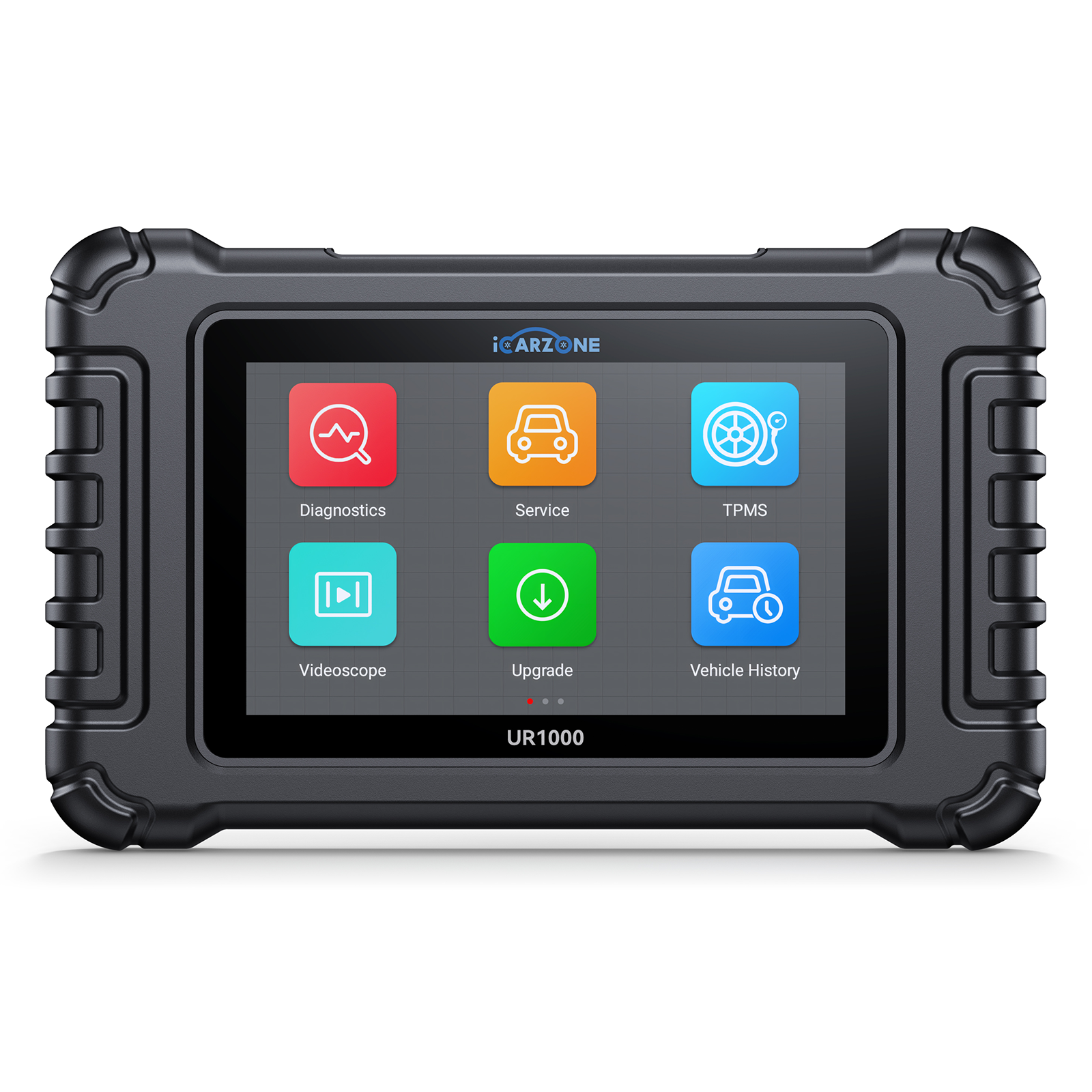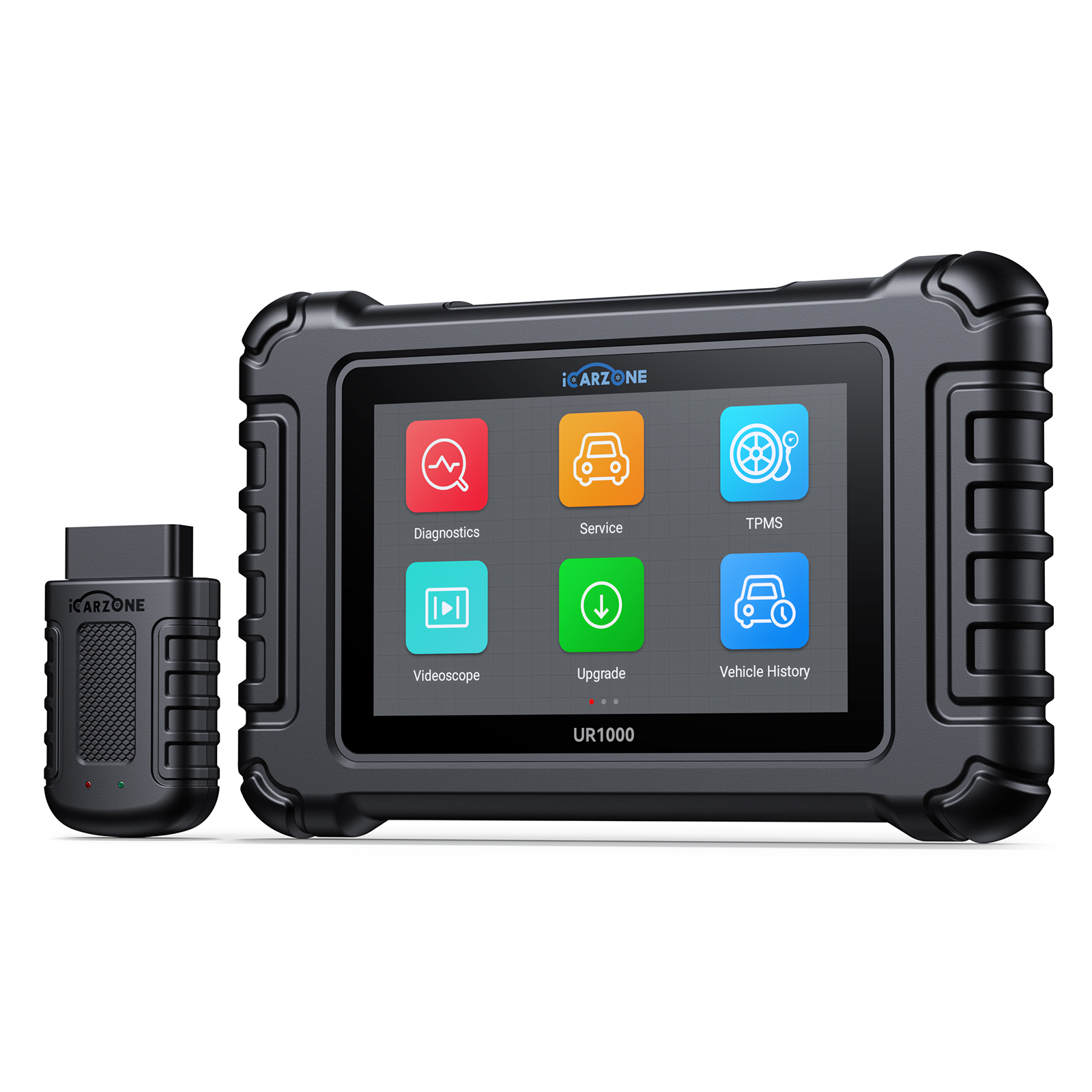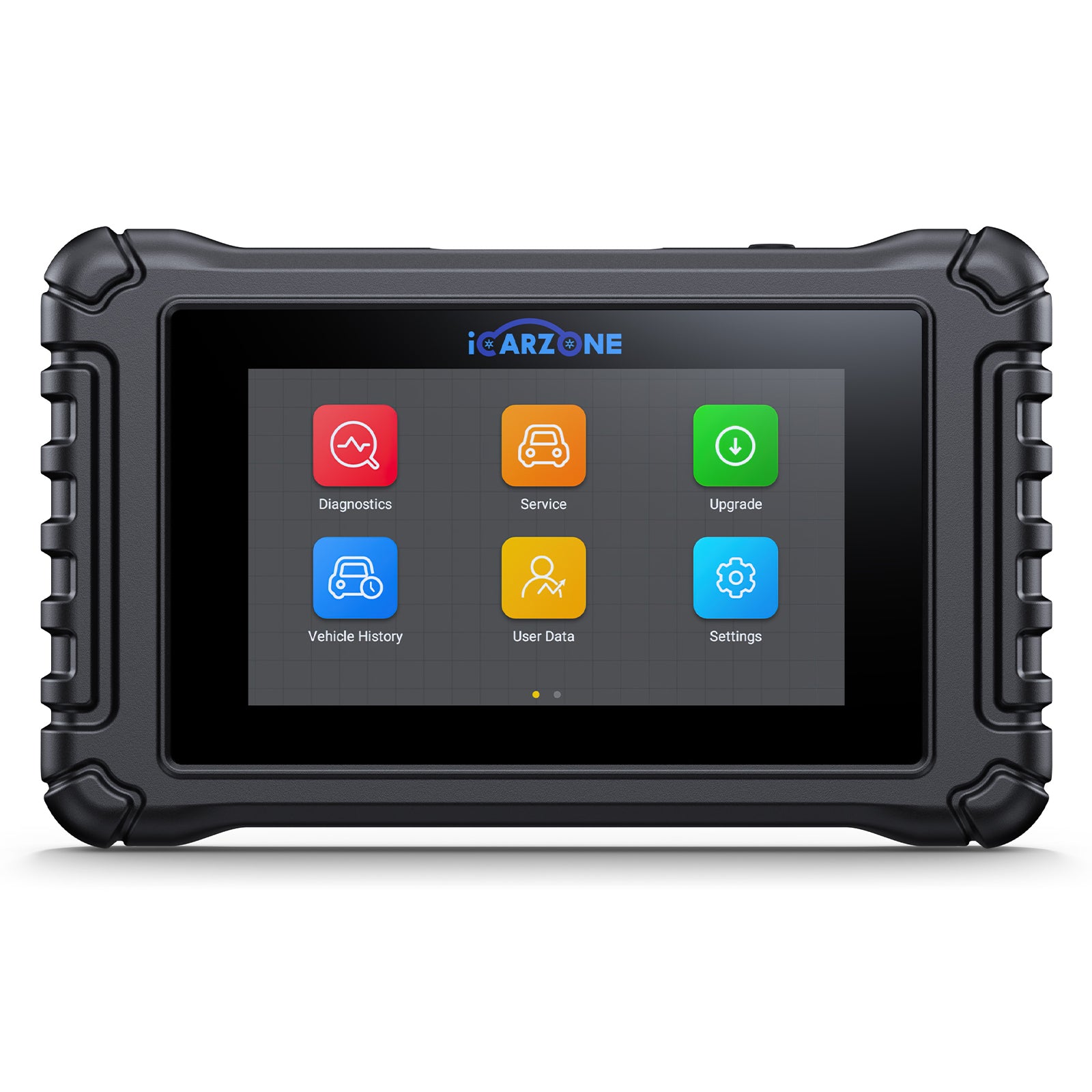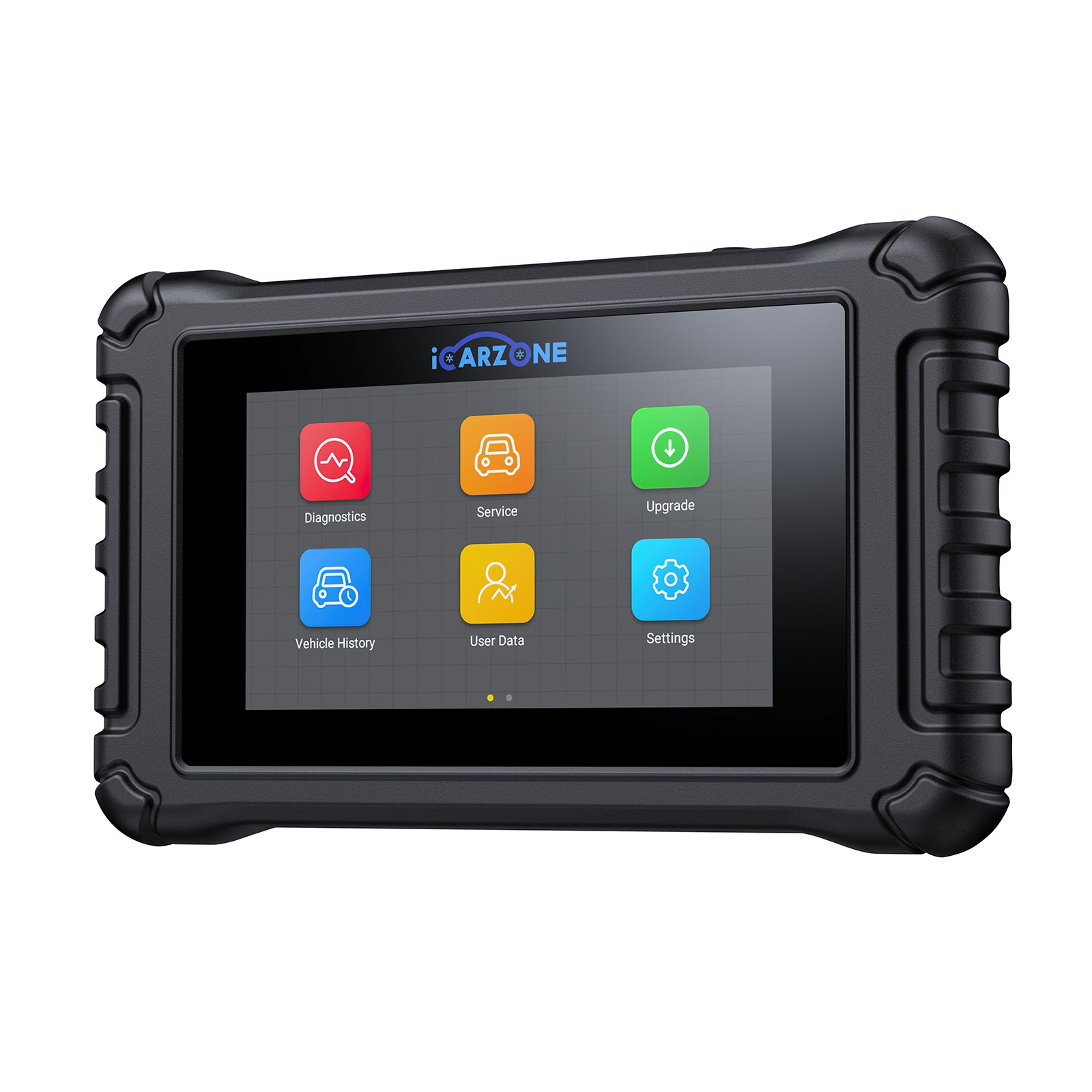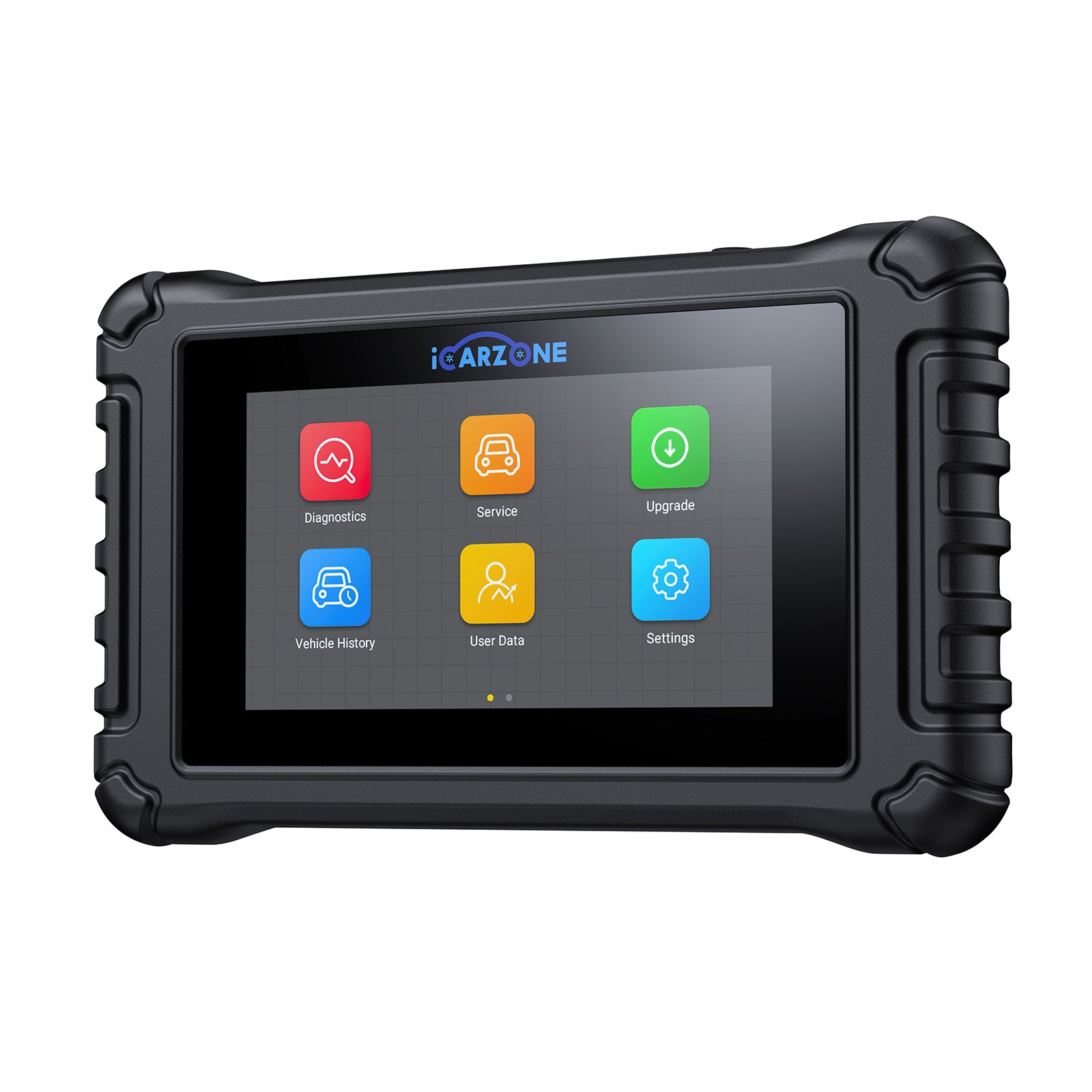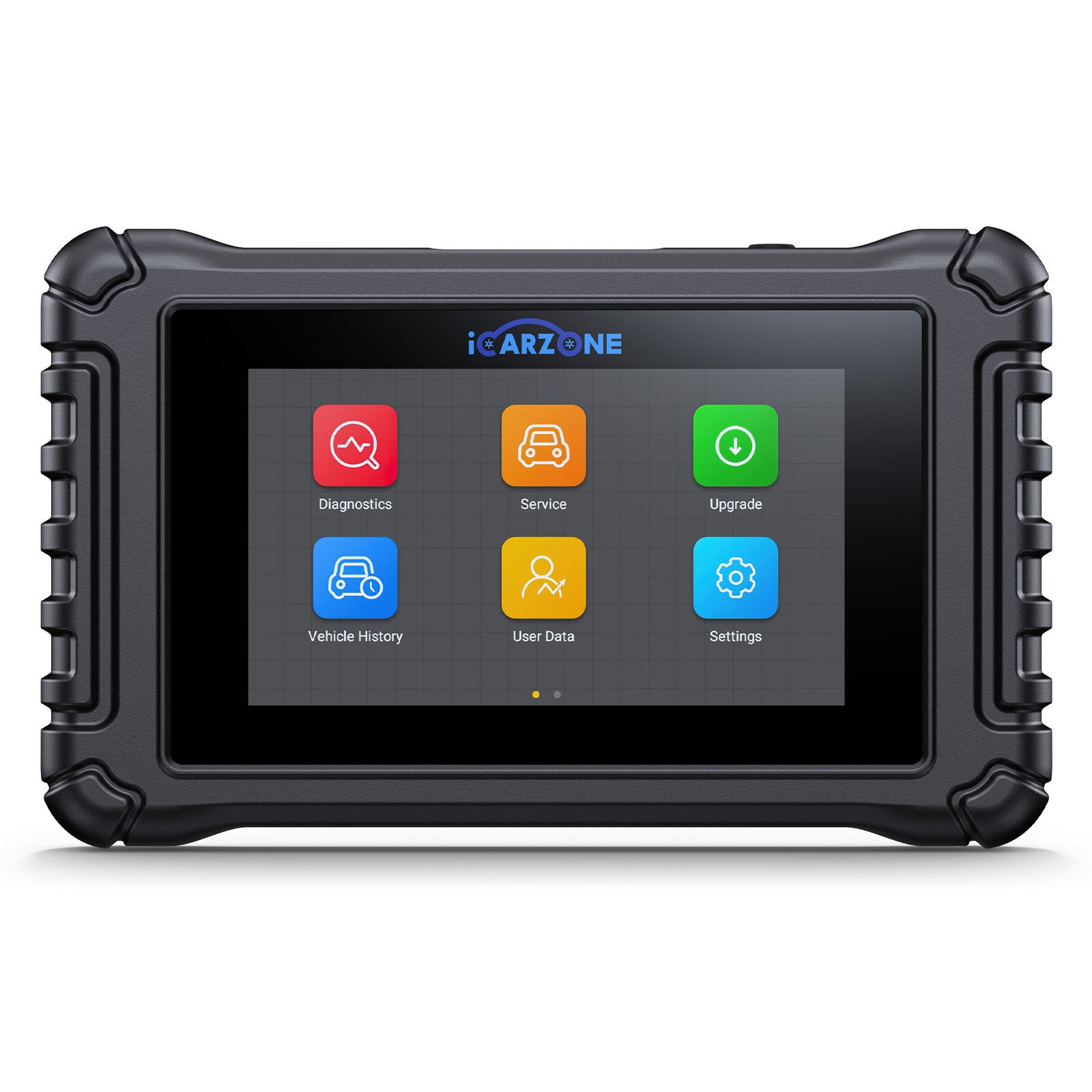

P2138 Ford/Chevy/VW: Fix Throttle/Pedal Sensor Voltage Mismatch | ICARZONE UR1000

P2138: Throttle/Pedal Position Sensor Voltage Correlation
Solve P2138 in Ford, Chevrolet, and Volkswagen models. Learn causes, symptoms, and fixes using the ICARZONE UR1000 diagnostic tool.
Get ICARZONE UR1000 Now1. What is P2138?
P2138 is a Diagnostic Trouble Code indicating a Throttle/Pedal Position Sensor/Switch D/E Voltage Correlation issue. Modern electronic throttle control (ETC) systems use redundant sensors to monitor accelerator pedal position (APP) and throttle body position (TPS). P2138 triggers when the ECM detects a significant mismatch between these sensor signals (typically exceeding 15% variance).
This code signals a potential safety concern, as inconsistent sensor data can cause unpredictable throttle response—from reduced power to unintended acceleration in extreme cases.
Impact on Vehicle Control
In European and American vehicles (Ford ETC, GM Drive-By-Wire, VW E-Gas), P2138 activates the "limp mode" safety feature, limiting engine power to 30-50% to prevent失控. This protects the engine but creates dangerous driving conditions in traffic or on highways if not addressed promptly.
2. Common Causes in European & American Vehicles
P2138 stems from sensor mismatch or circuit faults. Real-world diagnostic cases include:
- Faulty Accelerator Pedal Sensor (Ford Focus 2.0L) – UR1000 live data showed 22% voltage variance between APP sensors; replacing OEM pedal assembly #BL3Z-9F836-A resolved mismatch.
- Throttle Body Carbon Buildup (Volkswagen Jetta 1.4T) – Restricted movement caused erratic TPS readings; ultrasonic cleaning + UR1000 throttle adaptation cleared P2138.
- Damaged Wiring Harness (Chevrolet Cruze 1.4T) – Rodent-chewed wires to pedal sensor created intermittent resistance; heat-shielded wiring repair fixed voltage fluctuation.
- ECM Software Glitch (Ford Escape 1.5L EcoBoost) – Incorrect sensor threshold settings; UR1000 TSB lookup identified Ford bulletin 21-2290 requiring ECM reflash.
- Moisture Intrusion (Chevrolet Malibu 2.0T) – Water in throttle body connector caused corrosion; cleaning with dielectric grease restored signal integrity.
3. Key Symptoms
Vehicles with P2138 exhibit distinct throttle-related symptoms that often appear suddenly:
- Check Engine Light illuminated (often with "Reduced Power" warning message)
- Engine enters limp mode (max speed 40-50 mph, unresponsive accelerator)
- Erratic idle (fluctuating 500-1000 RPM)
- Delayed or unresponsive throttle when pressing accelerator
- Sudden loss of power during acceleration (safety risk in traffic)
- UR1000 live data showing "Sensor D/E Voltage Mismatch: 18-30%" (normal: <5%)
4. Models Prone to P2138
These models show higher incidence due to ETC system design:
- Ford: 2012-2023 Focus (1.0L/2.0L), 2013-2022 Escape (1.5L/2.0L EcoBoost), 2017-2023 Fusion (1.5L)
- Chevrolet: 2011-2016 Cruze (1.4T), 2016-2023 Malibu (1.5L/2.0L), 2018-2023 Equinox (1.5T)
- Volkswagen: 2015-2023 Jetta (1.4T), 2018-2023 Tiguan (2.0T), 2019-2023 Golf (1.4T)
Relevant TSBs: Ford 21-2290, GM 22-NA-156, VW 20G054 (throttle sensor calibration updates).
5. Diagnostic Steps with ICARZONE UR1000
Use ICARZONE UR1000 to accurately diagnose P2138 and avoid unnecessary part replacement:
| Step | Action with UR1000 | Goal | Pass/Fail Criteria |
|---|---|---|---|
| 1 | Full System Scan > "Engine Control Module" | Verify P2138 and check for related codes (P0121, P0222, P0638) | Pass: Isolated P2138 | Fail: Multiple throttle/pedal sensor codes |
| 2 | Live Data > "Sensor Voltage Correlation" | Monitor Throttle D/E and Pedal D/E voltage values at idle and 50% pedal | Pass: Voltage variance <5% | Fail: Variance >15% (sensor mismatch) |
| 3 | Circuit Test > "Sensor Resistance" | Measure resistance of throttle/pedal sensors (typically 500-5000Ω) | Pass: Resistance in spec | Fail: Open (>10kΩ) or shorted (<100Ω) |
| 4 | Actuation Test > "Throttle Body Movement" | Command throttle to 25%, 50%, 75% to check smooth operation | Pass: Steady movement with matching sensor data | Fail: Sticking or erratic movement |
| 5 | ECM Software Check > "Calibration Version" | Verify current software matches latest TSB recommendations | Pass: Latest version installed | Fail: Requires update (fixes correlation logic) |
Case Example: 2018 Chevrolet Cruze with P2138 – UR1000 showed 28% voltage mismatch between pedal sensors. Resistance test on sensor D measured 8kΩ (outside 500-5000Ω spec). Replacing pedal assembly + ECM relearn resolved issue.
Diagnose P2138 with UR10006. Fixes & Execution
Repair strategies depend on UR1000 diagnostic results:
- Accelerator Pedal Replacement – Install OEM pedal assembly with integrated sensors (Ford #BL3Z-9F836-A, GM #13581558, VW #1K1721503A). Requires calibration with UR1000 post-installation.
- Throttle Body Service – Clean carbon deposits with throttle body cleaner; for electronic units, perform adaptation reset via UR1000. Replace if sticking or sensor resistance out of spec.
- Wiring Repair – Replace damaged sections of sensor harness with 22-gauge automotive wire. Use wire loom to protect against abrasion and secure away from heat sources.
- Connector Service – Disconnect battery, clean terminals with electrical contact cleaner, apply dielectric grease, and ensure proper locking tab engagement.
- ECM Reprogramming – Use UR1000 to install latest calibration (critical for 2016+ models with sensor correlation algorithm issues).
Model-Specific Tips
- Ford EcoBoost: After pedal replacement, perform "Accelerator Pedal Position Relearn" via UR1000 (requires 3 key cycles).
- GM 1.4T: Torque throttle body bolts to 8 ft-lbs in crisscross pattern to prevent warping.
- VW TSI: Use UR1000's "Throttle Body Basic Setting" function after cleaning to reset idle position.
7. Repair Costs & Safety Tips
Throttle Body (OEM): $180–$400
Wiring Repair Kit: $25–$60
ECM Reprogramming: $80–$200
Professional Diagnosis: $100–$150
Total Repair (parts + labor): $300–$700
Critical Safety Precautions
- Do not drive in limp mode on highways – limited acceleration creates collision risks.
- Disconnect battery negative terminal before working on throttle/pedal sensors to prevent airbag deployment.
- Use factory torque specifications when reinstalling throttle body – over-tightening causes sensor damage.
- After repair, clear codes and perform test drive in safe area to verify throttle response.
- Never disconnect throttle body while engine is running – can cause sudden acceleration.
8. Preventive Maintenance
Avoid P2138 with these proactive measures:
- Clean throttle body every 30,000 miles – carbon buildup is leading cause of sensor mismatch.
- Inspect pedal and throttle sensor wiring during oil changes – look for rodent damage or corrosion.
- Use UR1000 to monitor sensor voltage correlation quarterly – catch 5-10% variances early.
- Replace air filter every 15,000 miles – dirty filters allow debris into throttle body.
- Avoid excessive idle time – contributes to carbon deposits in throttle body.
- Keep engine bay dry – water intrusion is common in high-pressure car washes.
9. Frequently Asked Questions
Only to a repair facility. Limp mode limits acceleration, creating safety risks in traffic. Avoid highways and busy roads.
Often yes, if caused by carbon buildup. Sensor or wiring issues require replacement, but cleaning is always recommended as first step.
Yes, throttle/pedal sensors are typically covered under 5-year/60,000-mile powertrain warranties.
UR1000 identifies sensor mismatch, tests circuit integrity, performs throttle adaptations, and updates ECM – critical for accurate diagnosis.
OEM parts recommended. Aftermarket sensors often have calibration issues, causing recurring P2138 in Ford/GM/VW ETC systems.
Throttle cleaning: 1 hour. Sensor replacement: 2-3 hours. Wiring repair: 2-4 hours depending on damage extent.
10. Summary
P2138 indicates a throttle/pedal position sensor voltage mismatch, causing limp mode and safety risks. Common in Ford, Chevrolet, and Volkswagen models, this code stems from carbon buildup, sensor failure, wiring damage, or software issues. Using the ICARZONE UR1000 for diagnostics—including voltage correlation monitoring, circuit tests, and adaptations—ensures accurate repairs. Solutions range from throttle cleaning to sensor replacement, with preventive maintenance (regular cleaning, wiring checks) key to avoiding recurrence.
Fix P2138 with UR1000
The ICARZONE UR1000 provides sensor voltage testing, throttle adaptations, and ECM updates to accurately repair P2138 in Ford, Chevrolet, and Volkswagen vehicles.
Buy UR1000 Now