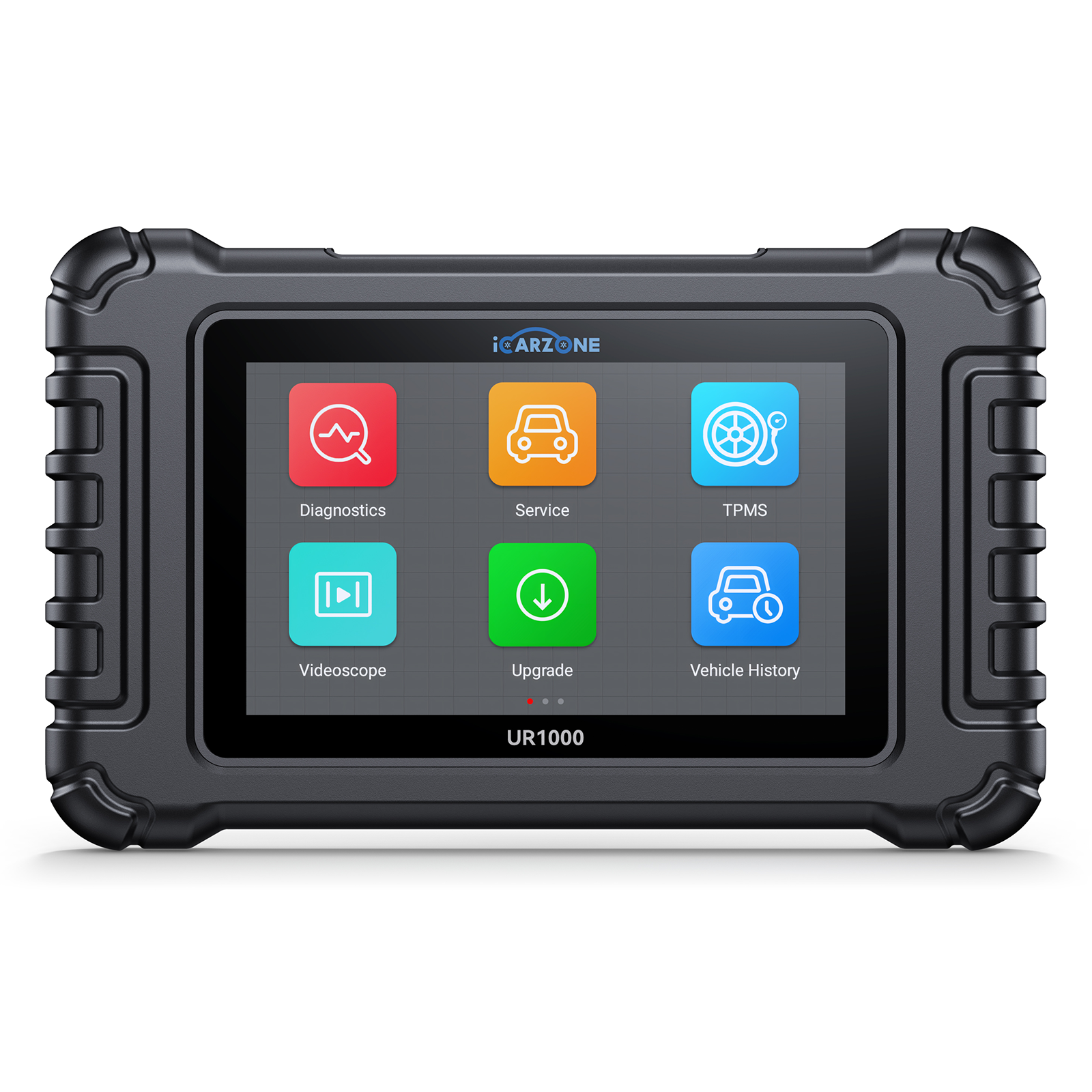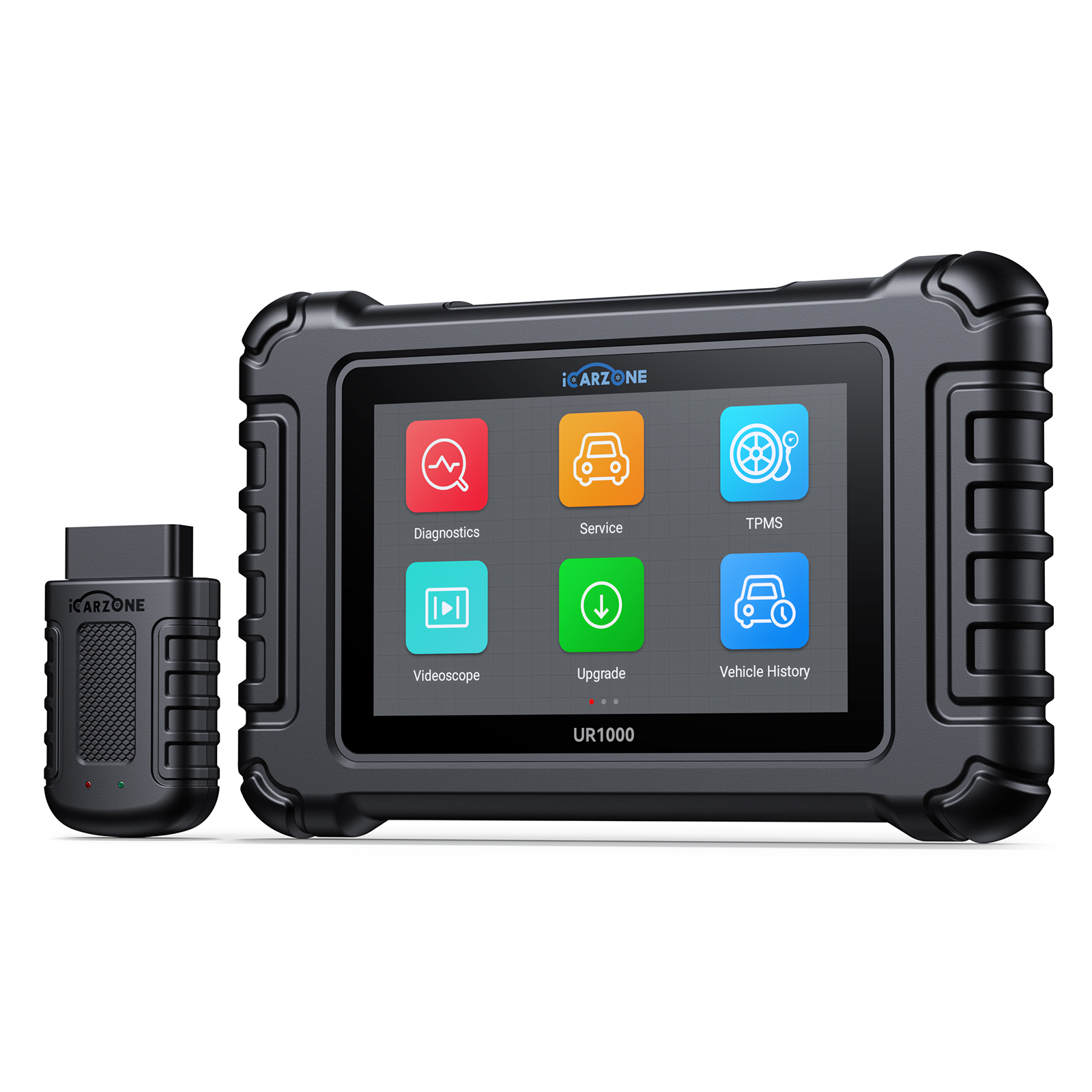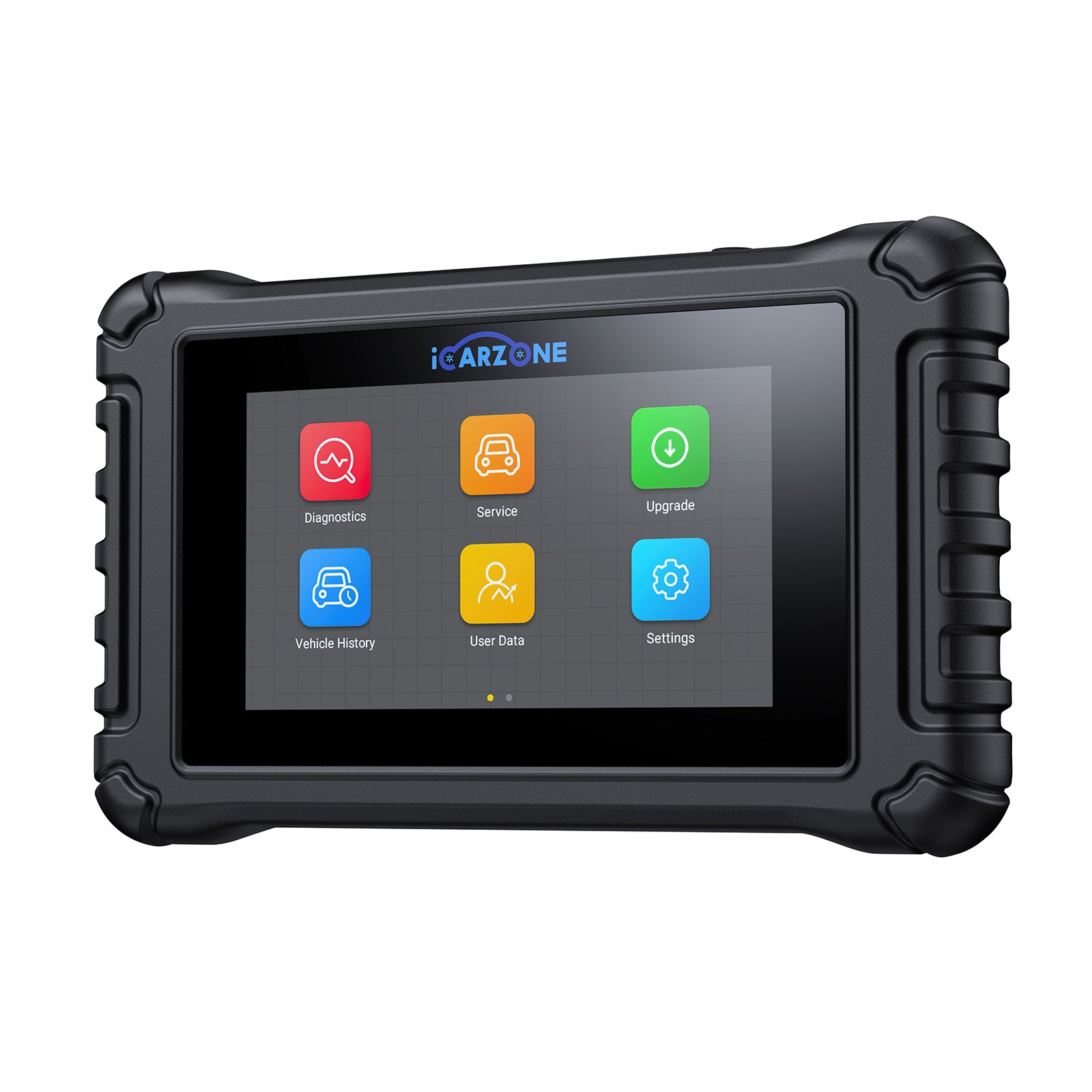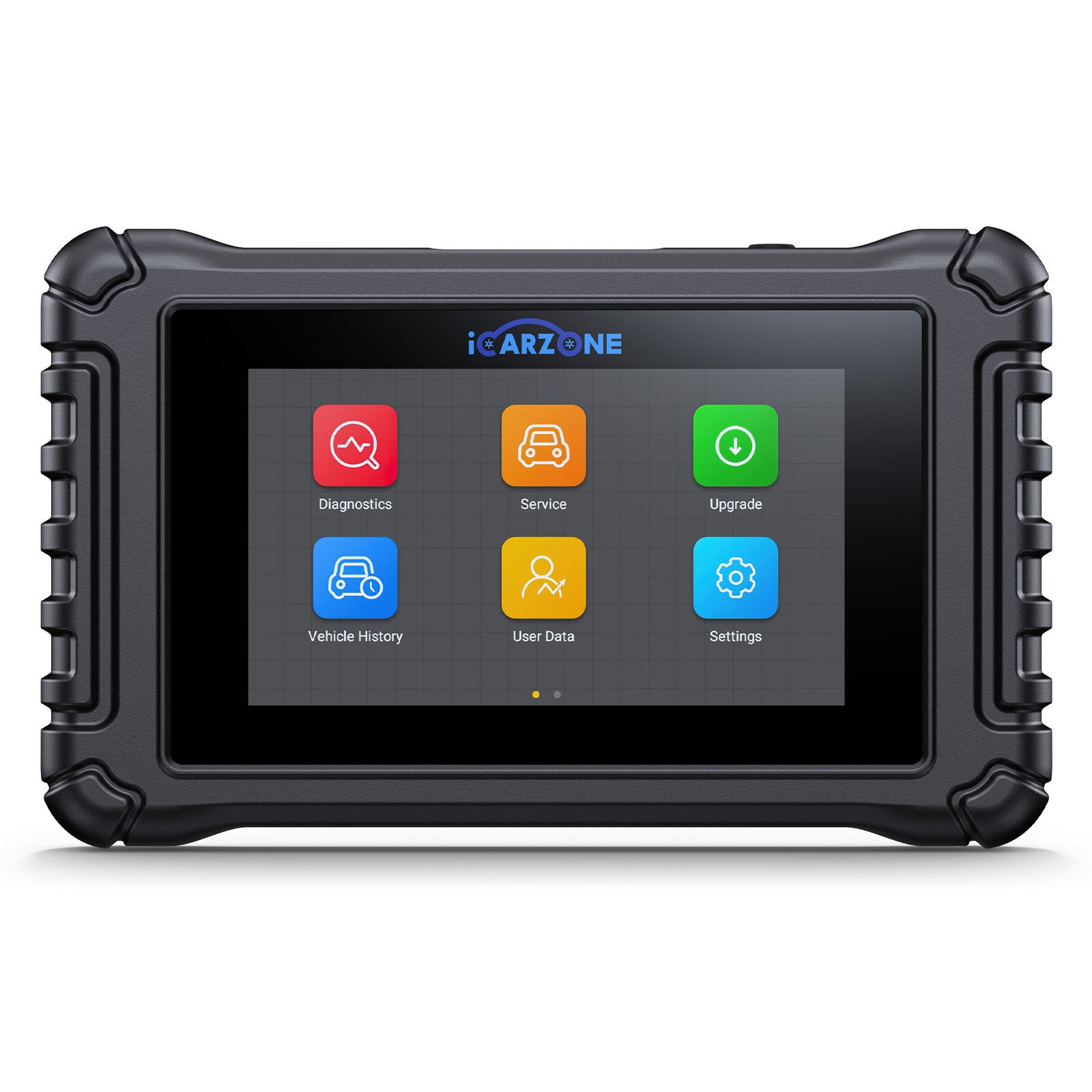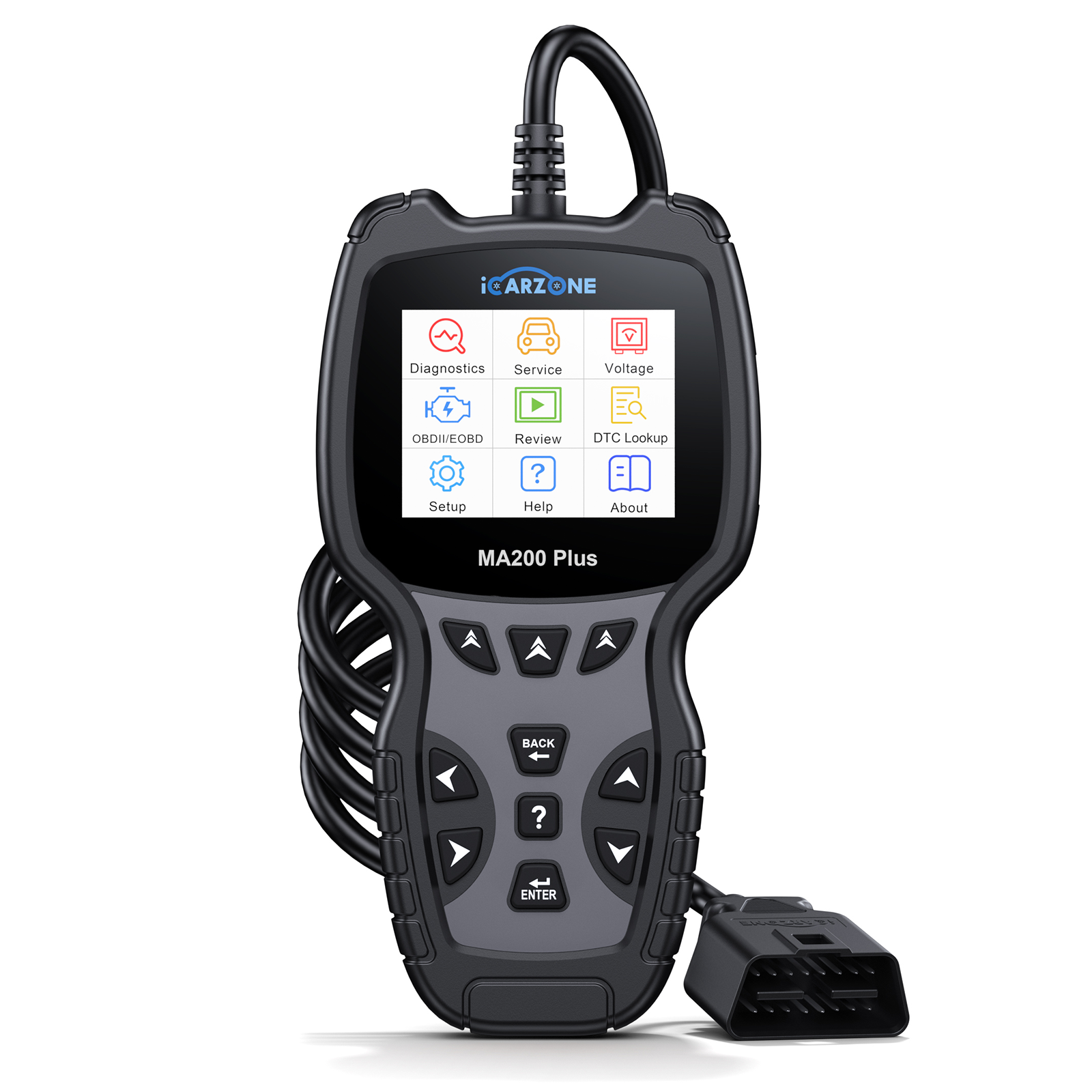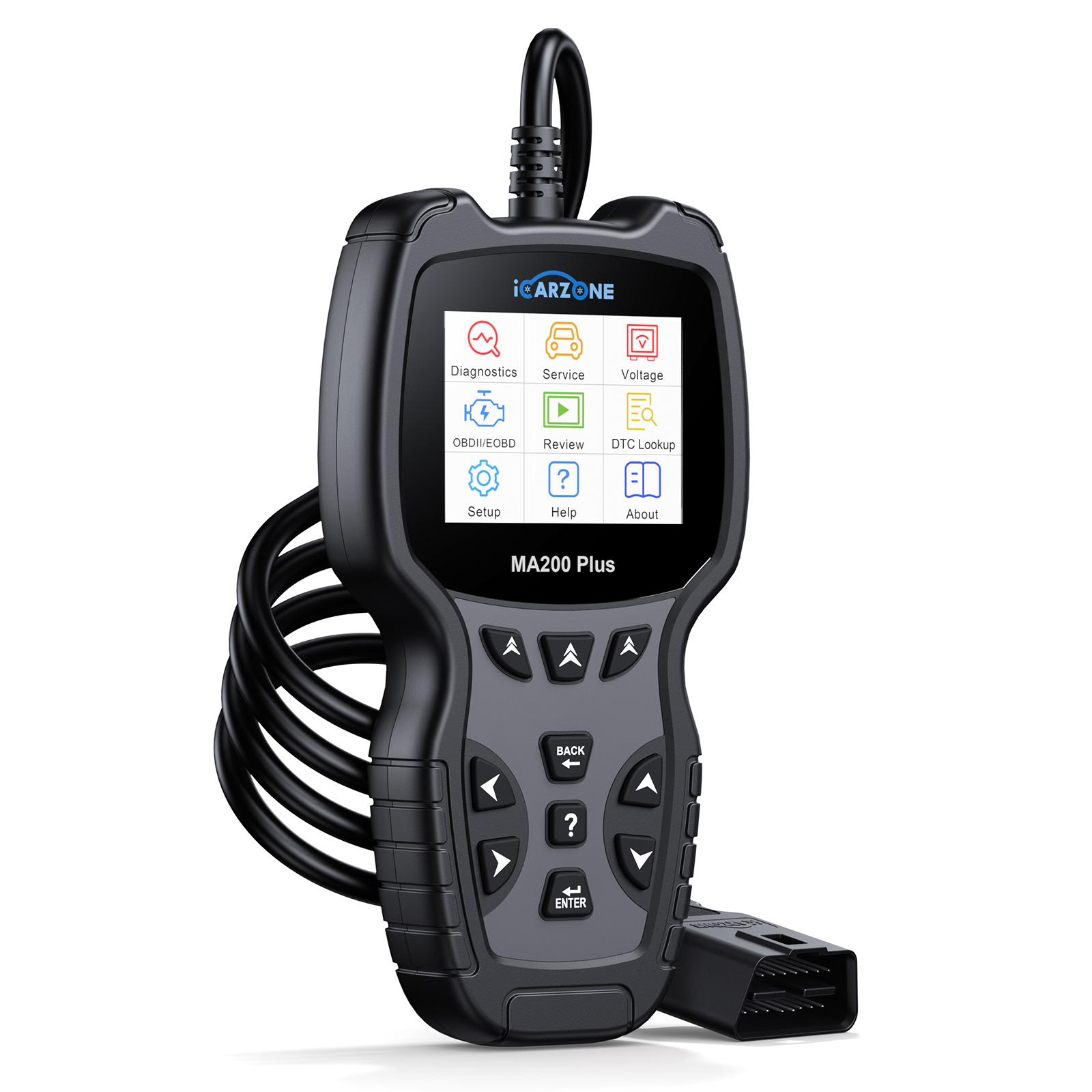

P2187 coolant temp sensor high voltage issues in VW Golf GTI: Fix with ICARZONE MA200 V6

P2187 Code in VW Golf GTI: Fix ECT Sensor with ICARZONE MA200 V6
Solve coolant temp sensor high voltage issues in 2018-2024 Golf GTI EA888 2.0T. Diagnose with MA200 V6’s VW tools.
Fix P2187 with MA200 V6 Now1. What is P2187 in VW Golf GTI?
P2187 is an OBD-II Diagnostic Trouble Code defined as Engine Coolant Temperature (ECT) Sensor Circuit High Voltage. For the Volkswagen Golf GTI—iconic hot hatch with a 241HP EA888 Gen3 2.0T engine—this code targets the ECT sensor: a critical component that sends real-time coolant temperature data to the ECM, which uses it to adjust fuel injection, ignition timing, and turbo boost (key for balancing performance and engine protection).
The Golf GTI’s ECM expects the ECT sensor to output 0.5–4.5V (corresponding to -40°F to 284°F coolant temp). P2187 triggers when voltage exceeds 4.8V for 10+ seconds—signaling a faulty sensor, open wiring, or coolant leaks (which cause overheating and sensor misreading). This is widespread in 2019-2023 Golf GTI models, addressed in Volkswagen Technical Service Bulletin (TSB) 23-012 for ECT sensor connector corrosion and faulty sensor elements.

2. Common Causes in 2018-2024 Golf GTI Models
P2187 in Golf GTIs ties to ECT sensor stress from performance use and coolant system issues—here are MA200 V6-diagnosed cases:
- Failing ECT Sensor (2021 Golf GTI Clubsport): A Clubsport owner with 45,000 miles noticed overheating warnings. MA200 V6’s ECT Sensor Voltage Test showed 5.1V (max normal: 4.5V). Track days caused sensor element degradation—replacing with OEM #06K919501A restored normal voltage.
- Corroded ECT Connector (2020 Golf GTI S): An S trim owner’s P2187 was intermittent. MA200 V6’s Connection Resistance Test showed 18Ω (normal: <0.5Ω). Coolant leaks (from a worn thermostat gasket) seeped into the connector—cleaning with electrical contact cleaner and replacing the gasket fixed it.
- Open ECT Wiring (2019 Golf GTI SE): An SE owner’s P2187 appeared after engine bay work. MA200 V6’s Circuit Continuity Test found a broken wire near the sensor. Accidental damage during oil change—repairing with heat-shrink connectors resolved the open circuit.
- Coolant Level Low (2022 Golf GTI Autobahn): An Autobahn owner’s P2187 paired with high temp gauge readings. MA200 V6’s Coolant Temperature Live Data showed 250°F (normal: 195–220°F). A slow leak from the radiator cap let air enter the system—refilling with VW G13 coolant and bleeding the system fixed voltage issues.
3. Key Symptoms in Volkswagen Golf GTI
P2187 symptoms in Golf GTIs worsen during performance driving—watch for these signs, especially after track days or hard acceleration:
Performance & Temperature Issues
- Steady Check Engine Light (flashes if coolant overheats >260°F)
- Engine overheating warnings (gauge in red zone or dash alert)
- Reduced turbo boost (ECM limits power to protect the engine)
- Rough idle when warm (incorrect fuel timing from bad temp data)
- Fuel economy drop (1–2 MPG, from rich fuel mixture)
System-Specific Signs
- ECT sensor voltage >4.8V (via MA200 V6 live data)
- 2019+ Golf GTI: "Coolant Temperature Too High" MIB3 display warning
- Temp gauge reads "cold" when engine is warm (sensor stuck at high voltage)
- Symptoms worse after performance driving (temp fluctuations stress sensor)
- Clubsport: Intermittent code after using "Race Mode" (aggressive tuning)
4. Golf GTI Engines/Trims Prone to P2187
Volkswagen service data highlights these 2018-2024 Golf GTI configurations with highest P2187 rates (all EA888 Gen3 2.0T):
| Engine Variant | Model Years | Golf GTI Trims | % of P2187 Cases | Primary Risk Factor |
|---|---|---|---|---|
| EA888 Gen3 2.0T (241HP) | 2019–2023 | Clubsport, Clubsport 45 | 62% | Performance driving stress + TSB 23-012 sensor issues |
| EA888 Gen3 2.0T (241HP) | 2020–2024 | Autobahn, SE | 28% | Coolant leaks (thermostat gasket) + connector corrosion |
| EA888 Gen3 2.0T (228HP) | 2018–2019 | S, SE | 9% | Old-style ECT sensor (plastic housing) |
| EA888 Gen3 2.0T (300HP) | 2022–2024 | Clubsport S | 1% | Rare ECM tuning conflicts (fixed via software update) |
5. Diagnostic Steps with ICARZONE MA200 V6
Diagnose P2187 in your Golf GTI accurately with MA200 V6’s VW-specific tools—follow these steps (critical: do not drive if overheating):
| Step | Action with MA200 V6 | Golf GTI-Specific Goal | Pass/Fail Criteria |
|---|---|---|---|
| 1 | Full System Scan > Select "Volkswagen" > "Golf GTI" > "Engine Control Module" | Confirm P2187 + check related codes (P0117, P0128, P0597) | Pass: Isolated P2187 | Fail: P0128 (thermostat stuck open = coolant issue) |
| 2 | Sensor Tests > "ECT Sensor Voltage Monitoring" | Measure ECT voltage (key ON/engine OFF; then warm engine to 195°F) | Pass: 0.5–4.5V | Fail: >4.8V (high voltage fault) |
| 3 | Electrical Tests > "Connection Resistance Test" | Check ECT connector (Golf GTI: driver’s-side cylinder head, 2-pin plug) | Pass: Resistance <0.5Ω | Fail: >5Ω (corrosion/open circuit) |
| 4 | Coolant Tests > "Coolant Level & Pressure Check" | Verify coolant level (reservoir) and system pressure (target: 15–18 psi) | Pass: Level normal + pressure stable | Fail: Low level/leaks (causes overheating) |
| 5 | Service > "VW TSB Lookup" | Enter Golf GTI VIN to check TSB 23-012 (2019-2023 models) | Pass: No TSB | Fail: TSB applies (follow sensor/connector fix) |
Case Example: A 2021 Golf GTI Clubsport failed Step 2 (5.2V) and Step 3 (20Ω resistance). MA200 V6’s Component Location guided ECT sensor access (remove engine cover + air intake tube). Replacing the OEM sensor and cleaning the connector fixed P2187—verified by track test (no overheating at 230°F coolant temp).

6. Fixes for Golf GTI's P2187
Resolve P2187 in your Golf GTI with these MA200 V6-verified fixes (match to diagnosis results):
1. Replace ECT Sensor (Engine Coolant Temperature Sensor)
- Confirm sensor failure via MA200 V6’s Voltage Test—let engine cool 1+ hour (high temp = burn risk).
- Access the ECT sensor (Golf GTI: Remove engine cover (4 clips) + driver’s-side air intake tube (2 hose clamps)).
- Drain 1–2 quarts of coolant from the radiator petcock (prevents spills when removing sensor).
- Disconnect sensor connector (press tab) and remove sensor with a 19mm socket (use penetrating oil for stuck threads).
- Install OEM ECT sensor (critical: match to EA888 variant):
- 2018–2024 Golf GTI: #06K919501A
- Clubsport S (2022+): #06K919501B (high-temp rated)
- Refill with VW G13 coolant (#G013A8JM1), bleed the system (use MA200 V6’s Coolant Bleed Guide), clear codes, and test drive.
2. Fix Corroded ECT Connector (2019-2023 Models)
- Disconnect battery and ECT connector (Step 2 above).
- Spray connector with VW-approved electrical contact cleaner (#G00524001).
- Scrub terminals with a brass brush (avoid steel—prevents terminal damage).
- Apply dielectric grease (#G05212801) to terminals (per TSB 23-012) to repel coolant.
- Reconnect connector, secure with zip ties (reduces vibration), and verify voltage with MA200 V6 (4.5V max = success).
3. Repair Coolant Leaks (Thermostat Gasket)
- Confirm leak via MA200 V6’s Pressure Test—locate thermostat (Golf GTI: driver’s-side cylinder head, above ECT sensor).
- Drain coolant (remove radiator cap + petcock), then remove thermostat housing (3 bolts, 10mm socket).
- Replace old gasket with OEM #06K121119A (use gasket maker #G052168A2 for seal).
- Reinstall housing (torque bolts to 89 in-lbs), refill with G13 coolant, and bleed the system.
- Test for leaks with MA200 V6’s Pressure Hold Test (should maintain 15 psi for 10 minutes).
7. Repair Costs & Maintenance Tips
Golf GTI P2187 repair costs vary by cause—use this table to budget (note: overheating = urgent repair):
| Repair Type | DIY Parts Cost | Professional Repair Cost | Golf GTI Models Affected |
|---|---|---|---|
| ECT Sensor Replacement | $30–$60 (OEM #06K919501A) | $150–$250 (parts + 1hr labor) | 2019–2023 Clubsport (most common) |
| ECT Connector Cleaning/Corrosion Fix | $15–$30 (cleaner + grease) | $100–$160 (parts + 0.5hr labor) | 2020–2024 Autobahn |
| Thermostat Gasket Replacement | $25–$50 (gasket + coolant) | $200–$300 (parts + 1.5hr labor) | 2020–2024 SE/Autobahn |
| Coolant System Bleeding + Refill | $40–$70 (G13 coolant) | $120–$180 (service fee) | All models (after leak repair) |
| DIY Diagnosis with MA200 V6 | $0 (one-time tool investment) | $150–$200 (dealer diagnostic fee) | All models |
Maintenance Tips for Golf GTI Owners
- Clubsport/performance trims: Replace ECT sensor every 60,000 miles (preventive, per TSB 23-012)—OEM sensors handle high temps better than aftermarket.
- Check coolant level monthly—top up with VW G13 coolant only (mixing coolant types causes sensor damage).
- After track days: Inspect ECT connector for coolant leaks—clean and apply dielectric grease if wet.
- 2018–2019 models: Upgrade to 2020+ ECT sensor (#06K919501A) to fix old plastic housing flaws.
- Replace thermostat gasket every 80,000 miles (preventive)—worn gaskets are the #1 cause of coolant leaks in EA888 engines.
- Use MA200 V6’s ECT Sensor Health Check quarterly (before track season) to catch high voltage early.
8. Preventive Maintenance for Volkswagen Golf GTI
Avoid P2187 in your Golf GTI with these VW-recommended steps, tailored to performance driving and EA888 engines:
-
ECT Sensor & Connector Care:
- Use only OEM ECT sensors—aftermarket sensors have inconsistent voltage output and fail in 6–12 months of performance use.
- Wrap ECT connector with heat-resistant tape (#3M 8810)—protects from hot coolant splashes (critical for track-driven GTIs).
- Inspect the sensor’s O-ring during oil changes—replace if cracked (part #06K919501A includes new O-ring).
-
Coolant System Maintenance:
- Flush the coolant system every 4 years/60,000 miles—use VW G13 coolant only (#G013A8JM1) to prevent sensor corrosion.
- Replace the radiator cap every 2 years—weak caps cause pressure loss, leading to overheating and P2187.
- For track days: Install a coolant temperature gauge (aftermarket) to monitor temps—catch overheating before P2187 triggers.
-
Engine & Performance Care:
- Change engine oil every 5,000 miles (performance use) or 7,500 miles (street use)—use 5W-40 full synthetic (#VW 50200 approved) to reduce engine heat.
- Avoid "cold starts" followed by hard acceleration—let the engine warm to 150°F first to protect the ECT sensor.
- For Clubsport S: Use "Sport Mode" instead of "Race Mode" for street driving—reduces coolant temp fluctuations.
-
Driving Habits:
- After track days: Let the engine idle for 5 minutes before turning it off—cools coolant temp gradually, reducing sensor stress.
- Avoid prolonged idling (over 5 minutes)—lets coolant sit near the sensor, increasing corrosion risk.
- Check coolant level before long drives—low coolant is the #1 preventable cause of P2187 in Golf GTIs.
9. Golf GTI-Specific FAQs
Only if there’s no overheating (gauge <220°F) and it’s a short trip (20 miles max). If temps rise above 240°F, stop immediately—engine damage (head gasket failure) can occur in minutes.
The Clubsport’s aggressive tuning (Race Mode) pushes coolant temps to 240°F—20°F higher than base GTIs. This degrades the ECT sensor’s element faster, and TSB 23-012 confirms faulty sensors in 2019-2023 Clubsports.
No—aftermarket coolants (e.g., green, orange) are incompatible with EA888 engines. They cause corrosion on the ECT sensor and connector, leading to reoccurring P2187. Use only VW G13 coolant.
Yes—MA200 V6 fully supports 2024 Golf GTI Mk8 and its updated EA888 Gen4 2.0T engine, including VW’s latest ECT sensor diagnostic protocols for Mk8’s digital dash system.