
P2196 Chevrolet Silverado 1500: O2 Sensor Stuck Rich Fix | MA900 Guide

P2196: O₂ Sensor Signal Stuck Rich (Bank 1 Sensor 1)
Resolve P2196 in Chevrolet Silverado 1500. Learn causes, symptoms, and fixes for the upstream oxygen sensor (Bank 1 Sensor 1) using the MA900 diagnostic tool.
Get MA900 Now1. What is P2196?
P2196 is a Diagnostic Trouble Code that indicates Oxygen Sensor Signal Stuck Rich (Bank 1 Sensor 1). Bank 1 Sensor 1 refers to the upstream oxygen sensor located before the catalytic converter on the engine bank containing cylinder 1. This sensor monitors the air-fuel ratio entering the converter, sending voltage signals (0.1–0.9V) to the Engine Control Module (ECM). P2196 triggers when the ECM detects the sensor signal remains "rich" (above 0.6V) for an extended period, indicating an uncorrected fuel-rich condition.
Why It Matters for Chevrolet Silverado 1500
For Silverado 1500 owners—especially those with 5.3L or 6.2L V8 engines—a stuck-rich O₂ sensor signal can cause serious issues. A persistently rich fuel mixture leads to increased fuel consumption (2–4 MPG drop), carbon buildup on valves and injectors, and potential catalytic converter damage from unburned fuel. Ignoring P2196 may also trigger secondary codes like P0172 (System Too Rich) and cause failed emissions tests. Addressing it promptly protects engine performance and reduces long-term repair costs.
2. Common Causes in Chevrolet Silverado 1500
P2196 in Silverado 1500 typically stems from issues affecting the upstream O₂ sensor or fuel delivery system. Common causes include:
- Failed Bank 1 Sensor 1 oxygen sensor — Internal degradation (common in 80,000+ mile Silverados) causing permanently rich voltage output.
- Fuel system issues — Leaking injectors, high fuel pressure, or a faulty fuel pressure regulator (more common in 2014–2019 5.3L models).
- Air intake restrictions — Clogged air filter, faulty MAF sensor, or restricted intake tube limiting air flow (leans out mixture, but sensor may read rich).
- Wiring or connector faults — Damaged harness or corroded pins causing incorrect voltage signals to the ECM (common near hot engine components).
- Engine oil contamination — Oil entering combustion chamber (e.g., from worn valve seals) creating rich readings (notable in high-mileage 6.2L engines).
3. Key Symptoms in Chevrolet Silverado 1500
Owners typically notice one or more of these P2196-related symptoms:
- Check Engine Light illuminated with P2196 (often paired with P0172)
- Significant decrease in fuel economy (notable during highway driving)
- Strong smell of unburned fuel from exhaust
- Engine hesitation or lack of power during acceleration
- MA900 live data showing Bank 1 Sensor 1 voltage stuck above 0.6V
- Carbon deposits on spark plugs (black, sooty appearance)
- Failed emissions test due to high hydrocarbon levels
4. Silverado 1500 Models Prone to P2196
While P2196 can occur across model years, certain Silverado 1500 variants show higher incidence due to engine design and sensor placement:
- 2014–2019 Silverado 1500 with 5.3L EcoTec3 V8 — Fuel injector issues and sensor degradation common in high-mileage units
- 2017–2023 Silverado 1500 6.2L V8 — Higher fuel pressure can exacerbate rich conditions
- Silverado 1500 with aftermarket performance tunes — Aggressive fuel maps may trigger sensor-rich readings
- High-mileage (100,000+ miles) Silverados — Oil contamination and sensor wear increase risk
GM TSB 18-NA-340 addresses P2196 in 2016–2018 Silverados, recommending O₂ sensor replacement and fuel system cleaning for certain VIN ranges.
5. Diagnostic Steps (Silverado 1500 Focus) with MA900
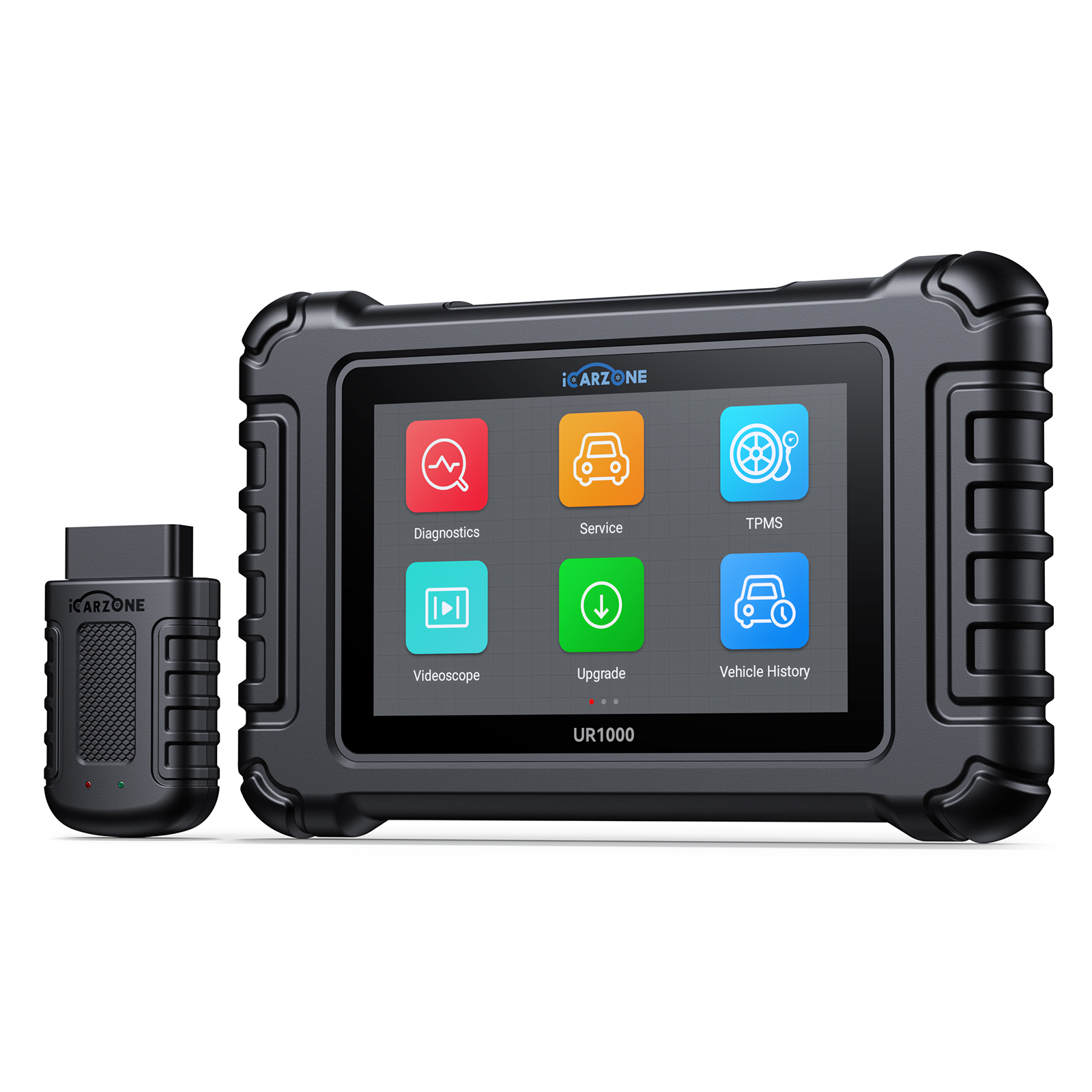
Use MA900 to test the Bank 1 Sensor 1 circuit and identify whether the fault is sensor, fuel system, or wiring related:
| Step | Action with MA900 | Silverado Goal | Pass/Fail Criteria |
|---|---|---|---|
| 1 | Full System Scan > Select "Chevrolet" > "Silverado 1500" > "Engine" | Confirm P2196 and check for related codes (P0172, P0175, P0131) | Pass: Single P2196 or P2196 + P0172 | Fail: Multiple fuel system codes indicating wider issues |
| 2 | Live Data > "O₂ Sensor Voltage (Bank1, Sensor1)" & "Short Term Fuel Trim" | Monitor voltage (should cycle 0.1–0.9V) and fuel trims (ideally ±10%) | Pass: Voltage cycles normally, trims in range | Fail: Voltage stuck >0.6V, trims negative (rich) |
| 3 | Component Test > "O₂ Sensor Response Test" | Verify sensor reacts to throttle changes (voltage should spike with acceleration) | Pass: Voltage changes >0.4V within 2 seconds | Fail: Minimal response indicating sensor failure |
| 4 | Fuel System Test > "Fuel Pressure & Injector Pulse Width" | Check for excessive pressure (should match GM specs: 55–62 psi for most models) | Pass: Pressure in range, pulse width normal | Fail: High pressure indicating regulator/injector issues |
| 5 | Physical Inspection > Check sensor, wiring, air filter, and for oil contamination | Identify obvious issues (clogged filter, damaged wires, oil-soaked sensor) | Pass: All components intact | Fail: Repair/replacement required |
Case Example: A 2018 Silverado 5.3L showed P2196 with Bank 1 Sensor 1 voltage stuck at 0.72V. MA900 fuel pressure test revealed 70 psi (above spec). Inspection found a faulty fuel pressure regulator. Replacing the regulator and sensor restored normal voltage cycling, clearing P2196 and improving fuel economy by 3 MPG.
Diagnose Silverado P2196 with MA9006. Fixes & Execution for Chevrolet Silverado 1500
Fix depends on identified root cause. MA900’s tests help avoid unnecessary sensor replacement—30% of P2196 cases are fuel system related:
- Replace Bank 1 Sensor 1 oxygen sensor — If response/pressure tests pass but sensor is unresponsive, install OEM-equivalent (GM part #12677836 or equivalent). Use anti-seize on threads (avoid sensor element).
- Repair fuel system issues — Replace faulty fuel pressure regulator, clean clogged injectors, or repair fuel leaks to restore proper pressure (critical for 5.3L EcoTec3 models).
- Address air intake restrictions — Replace clogged air filter, clean MAF sensor with specialized cleaner, or repair restricted intake tubes.
- Repair wiring/connectors — Splice damaged wires, clean corroded pins with electrical contact cleaner, and apply dielectric grease.
- Fix oil contamination — Repair valve seal leaks or PCV system issues causing oil entry into combustion chambers (common in high-mileage 6.2L engines).
Silverado-Specific Workflow
- Always confirm MA900 fuel pressure readings before replacing the O₂ sensor—high pressure is a frequent culprit in 2014–2019 models.
- For 5.3L EcoTec3 engines, check for TSB 18-NA-340 applicability before proceeding with repairs.
- After repairs, clear codes and perform a 30-minute drive cycle while monitoring MA900 live data to confirm normal voltage cycling and fuel trims.
7. Repair Costs & Safety Tips for Silverado 1500
- DIY Diagnosis with MA900: $0 (avoids $90–$150 dealer scan fees)
- OEM Upstream O₂ Sensor (Bank 1 Sensor 1): $70–$180 (varies by engine)
- Fuel Pressure Regulator: $40–$120 (plus $15–30 for fuel filter)
- Air Filter & MAF Cleaner: $20–$50
- Professional Sensor Replacement: $150–$280 (parts + labor)
- Fuel System Repairs: $200–$500 (if injectors or regulator need replacement)
Critical Safety Precautions
- Disconnect the negative battery terminal before working on fuel system components to prevent fire risk.
- Relieve fuel pressure before disconnecting fuel lines (follow GM service procedures in your Silverado manual).
- Allow engine to cool completely before replacing O₂ sensor—exhaust components reach high temperatures.
- Use proper oxygen sensor sockets to avoid damaging the sensor’s delicate wiring.
8. Preventive Maintenance for Silverado 1500 P2196
Reduce P2196 risk with these Silverado-specific steps:
- Replace air filter every 30,000 miles to prevent intake restrictions.
- Clean MAF sensor annually with specialized MAF cleaner (avoid touching sensor element).
- Use Top Tier detergent gasoline to reduce fuel injector deposits (critical for 6.2L engines).
- Inspect O₂ sensor wiring during 60,000-mile service—protect from heat with sleeve covers.
- Monitor fuel trim data with MA900 quarterly; address negative trims (>10%) promptly.
9. Frequently Asked Questions
Short-term driving is possible but not recommended—prolonged rich conditions can damage the catalytic converter, leading to $1,000+ repair costs.
Yes—high hydrocarbon levels from rich conditions almost always cause emissions test failure in states with strict standards.
MA900 supports 1996+ Silverado 1500s, including 4.3L, 5.3L, and 6.2L engines, with specific O₂ sensor diagnostics for GM systems.
Typically 60,000–100,000 miles. Silverados using ethanol-blended fuels may experience earlier failure due to sensor contamination.
Yes—a stuck PCV valve can cause oil contamination of the O₂ sensor, leading to rich readings. It’s a cheap part to inspect/replace first.
OEM is recommended for 6.2L Silverados due to stricter calibration requirements. Reputable aftermarket (ACDelco, Denso) works well for 5.3L models.
10. Summary
P2196 (Oxygen Sensor Signal Stuck Rich, Bank 1 Sensor 1) is a critical code for Silverado 1500 owners, as it indicates a fuel-rich condition that can damage expensive components. Use MA900 to diagnose whether the issue stems from a failed O₂ sensor, fuel system problems, air intake restrictions, or wiring faults—avoiding unnecessary part replacements. Most cases resolve with sensor replacement, fuel system repairs, or intake cleaning. Addressing P2196 promptly restores fuel economy, protects the catalytic converter, and ensures emissions compliance—essential for both daily drivers and towing enthusiasts.
Diagnose P2196 with MA900
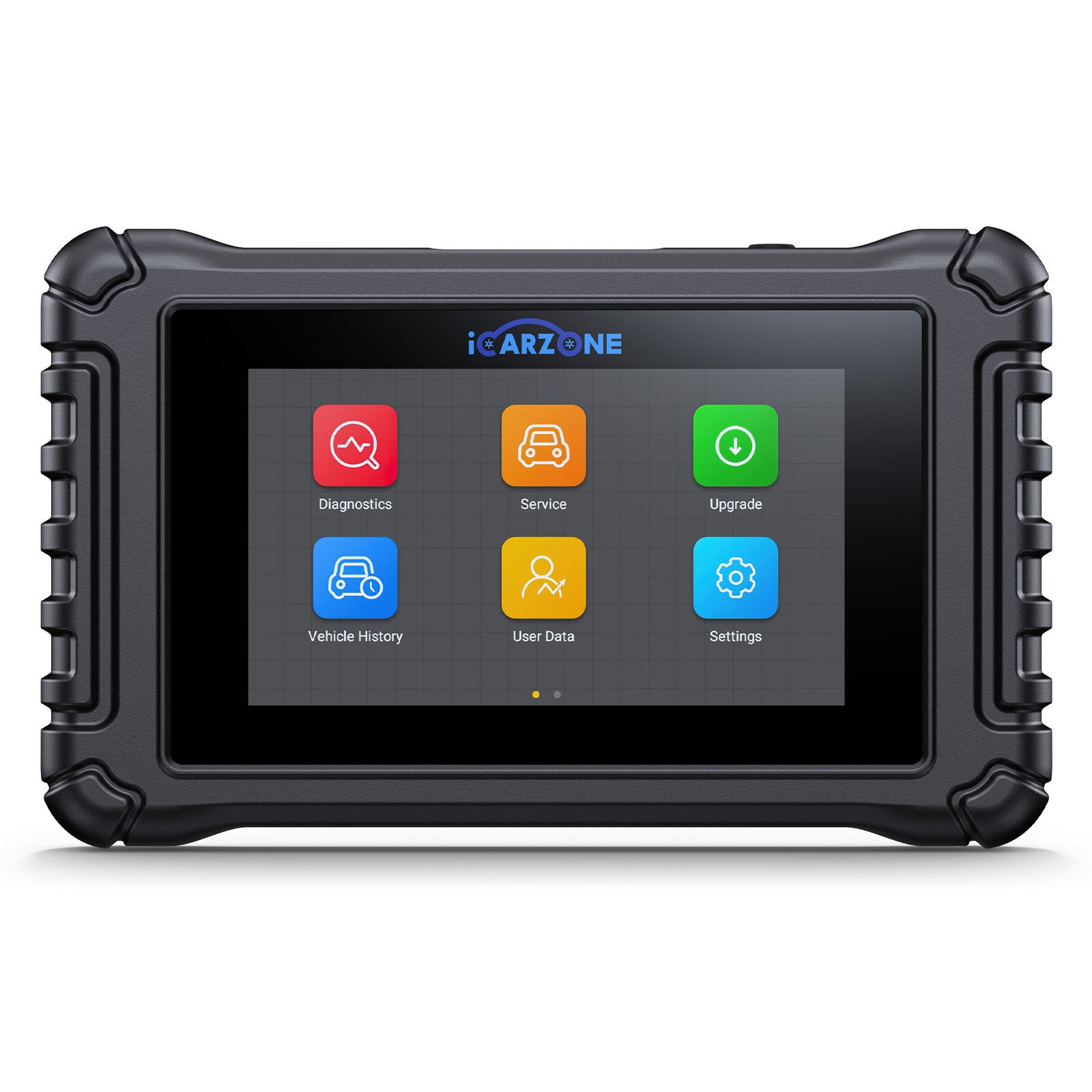
MA900 provides Silverado-specific O₂ sensor tests, fuel pressure readings, and live data to quickly identify whether P2196 is caused by a sensor, fuel system, or wiring issue—save time and avoid unnecessary costs.
Order MA900 TodayNeed to update image URLs? Replace the placeholder Shopify asset links with your actual files. For engine-specific details (e.g., 5.3L fuel pressure specs), send your Silverado model year for tailored adjustments.