
P2198 Ford/Chevy/VW: Fix O2 Sensor Stuck Rich (Bank 2) | ICARZONE UR1000

P2198: O2 Sensor Signal Stuck Rich (Bank 2, Sensor 1)
Solve P2198 in Ford, Chevrolet, and Volkswagen models. Learn causes, symptoms, and fixes using the ICARZONE UR1000 diagnostic tool.
Get ICARZONE UR1000 Now1. What is P2198?
P2198 is a Diagnostic Trouble Code indicating the Oxygen (O2) Sensor Signal Stuck Rich on Bank 2, Sensor 1. The upstream O2 sensor (Bank 2, Sensor 1) monitors exhaust oxygen levels to adjust fuel injection—"stuck rich" means it continuously detects excess unburned fuel (low oxygen) in the exhaust, beyond the ECM’s adjustment range.
This malfunction disrupts the engine’s air-fuel ratio (AFR), leading to poor fuel economy, emissions issues, and potential damage to the catalytic converter over time. Bank 2 refers to the cylinder bank containing the #2 cylinder (or non-driver side in V-engine configurations).
Impact on V-Engine Performance
In V-configured engines (Ford 5.0L Coyote, Chevrolet 5.3L EcoTec3, VW 3.6L VR6), a stuck-rich Bank 2 sensor creates uneven AFR between banks, causing rough idle, reduced power, and increased hydrocarbon emissions. Turbocharged V-engines (Ford 3.5L EcoBoost) are especially vulnerable—excess fuel can dilute engine oil and damage turbo seals.
2. Common Causes in European & American Vehicles
P2198 stems from O2 sensor failure or fuel system issues specific to Bank 2. Real-world diagnostic cases include:
- Faulty O2 Sensor (Ford F-150 5.0L Coyote) – UR1000 live data showed 0.87V constant signal (normal: 0.1–0.9V fluctuation); replacing OEM sensor #BL3Z-9F472-B resolved AFR balance.
- Leaking Fuel Injector (Chevrolet Silverado 5.3L) – Bank 2, Cylinder 4 injector leak flooded the bank; ultrasonic cleaning + UR1000 injector balance test fixed rich condition.
- Exhaust Leak (Volkswagen Atlas 3.6L VR6) – Cracked Bank 2 exhaust manifold before O2 sensor drew in fresh air; replacement + sensor relearn cleared P2198.
- MAF Sensor Contamination (Ford Expedition 3.5L EcoBoost) – Dust buildup caused incorrect air intake readings for Bank 2; cleaning MAF with specialized spray restored signal.
- ECM Calibration Glitch (Chevrolet Tahoe 5.3L) – Incorrect O2 sensor threshold for Bank 2; UR1000 TSB lookup identified GM bulletin 23-NA-221 requiring ECM reflash.
3. Key Symptoms
Vehicles with P2198 show clear rich-condition symptoms, worsening with extended driving:
- Check Engine Light illuminated (often paired with P0175 "System Too Rich – Bank 2" code)
- Strong gasoline smell from exhaust (unburned fuel)
- Reduced fuel economy (15–25% drop reported in V-engines)
- Rough idle or hesitation during acceleration (uneven bank AFR)
- Black smoke from exhaust (severe rich conditions)
- Bank 2 spark plugs coated in black carbon deposits
- UR1000 live data showing "Bank 2 O2 Voltage: 0.8–0.9V Constant" (no fluctuation)
4. Models Prone to P2198
These V-engine models show higher incidence due to Bank 2 sensor placement and fuel system design:
- Ford: 2015-2023 F-150 (5.0L Coyote/3.5L EcoBoost), 2017-2022 Expedition (3.5L EcoBoost), 2018-2023 Mustang GT (5.0L)
- Chevrolet: 2014-2023 Silverado 1500 (5.3L/6.2L), 2016-2023 Tahoe (5.3L), 2018-2023 Suburban (5.3L)
- Volkswagen: 2018-2023 Atlas (3.6L VR6), 2019-2023 Arteon (2.0T 4-cyl, Bank 2 = rear bank), 2020-2023 Tiguan Allspace (2.0T)
Relevant TSBs: Ford 22-10-08, GM 23-NA-221, VW 21G075 (Bank 2 O2 sensor calibration or injector service updates).
5. Diagnostic Steps with ICARZONE UR1000
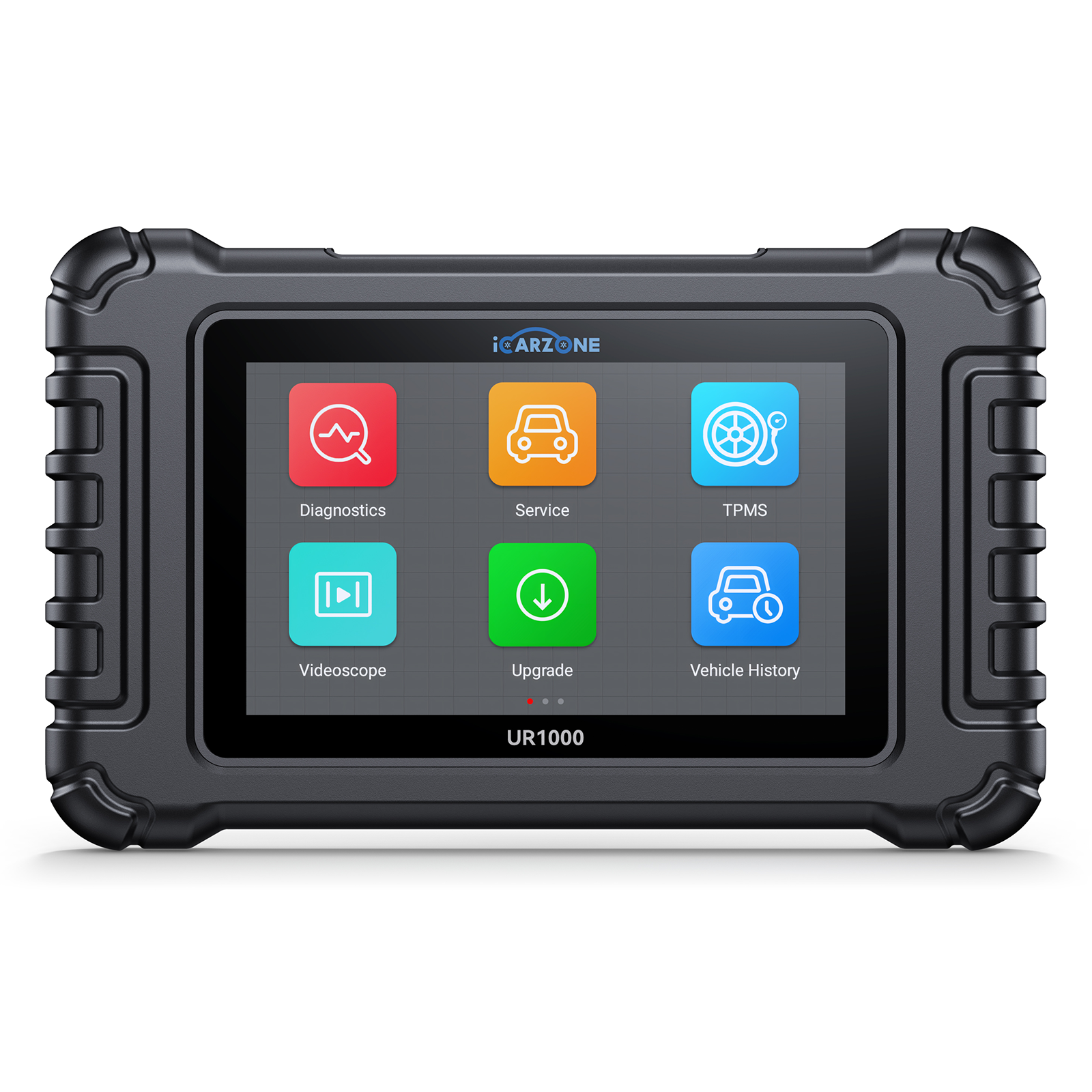
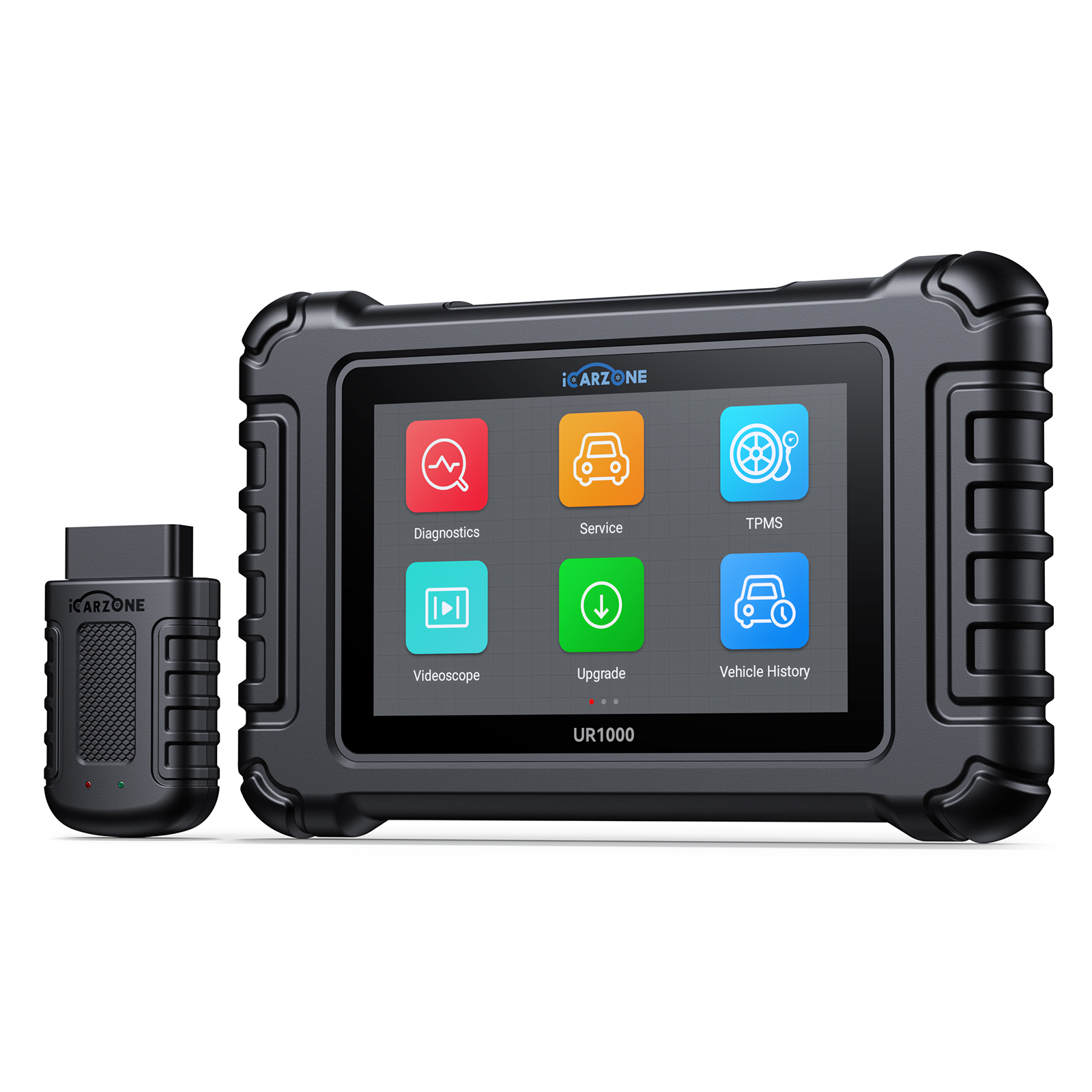
Use ICARZONE UR1000 to accurately diagnose P2198 and avoid unnecessary sensor replacement:
| Step | Action with UR1000 | Goal | Pass/Fail Criteria |
|---|---|---|---|
| 1 | Full System Scan > "Engine Control Module" | Verify P2198 and check for related codes (P0175, P0300, P0200) | Pass: Isolated P2198 | Fail: Multiple Bank 2 fuel/air codes |
| 2 | Live Data > "Bank 2, Sensor 1 O2 Voltage" | Monitor voltage fluctuation at idle and 2500 RPM | Pass: Voltage cycles 0.1–0.9V (1–5 times/second) | Fail: Stuck at 0.8–0.9V |
| 3 | Dual-Bank AFR Monitoring | Compare AFR between Bank 1 and Bank 2 (target: 14.7:1) | Pass: Bank AFR difference <0.5:1 | Fail: Bank 2 AFR <14.0:1 (rich) |
| 4 | Bank 2 Injector Balance Test | Check fuel delivery uniformity across Bank 2 cylinders | Pass: Cylinder trim ±5% | Fail: Cylinder trim >+10% (leaking injector) |
| 5 | ECM Software Check > "Calibration Version" | Verify current software matches latest Bank 2 TSBs | Pass: Latest version installed | Fail: Requires update (fixes sensor interpretation) |
Case Example: 2021 Chevrolet Silverado 5.3L with P2198 – UR1000 showed 0.89V constant O2 voltage on Bank 2 and 13.1:1 AFR (Bank 1: 14.6:1). Injector balance test revealed Cylinder 4 trim of +12%—cleaning the injector restored normal AFR and cleared the code.
Diagnose P2198 with UR10006. Fixes & Execution
Repair strategies depend on UR1000 diagnostic results:
- Bank 2 O2 Sensor Replacement – Install OEM upstream O2 sensor (Ford #BL3Z-9F472-B, GM #12677837, VW #06K906262B). Torque to 18 ft-lbs and perform sensor relearn via UR1000.
- Bank 2 Fuel Injector Service – Clean leaking/clogged injectors with ultrasonic cleaner; replace if flow test fails. Use OEM injector seals to prevent cross-bank leaks.
- Exhaust Leak Repair – Replace cracked Bank 2 exhaust manifold or damaged gaskets. Ensure no leaks exist between manifold and O2 sensor.
- MAF Sensor Cleaning – Spray MAF sensor with specialized cleaner (avoid contact with sensor elements); let dry completely before reinstalling.
- ECM Reprogramming – Use UR1000 to install latest ECM calibration (critical for 2018+ V-engine models with Bank 2 threshold bugs).
Model-Specific Tips
- Ford EcoBoost: After sensor replacement, run "Dual-Bank O2 Relearn" via UR1000 (requires 25-minute drive cycle at varying speeds).
- GM 5.3L: Use fuel system cleaner (OEM-recommended) after injector service to remove Bank 2 carbon deposits.
- VW VR6: Check Bank 2 O2 sensor wiring for heat damage (common near exhaust crossover); replace with heat-resistant harness if needed.
7. Repair Costs & Safety Tips
Bank 2 Injector Cleaning: $180–$350 (all cylinders)
Bank 2 Exhaust Manifold (OEM): $350–$800
MAF Sensor Cleaner: $10–$25
ECM Reprogramming: $100–$250
Professional Diagnosis: $100–$180
Critical Safety Precautions
- Disconnect battery negative terminal before removing Bank 2 O2 sensor to prevent electrical shorts.
- Work on cool exhaust components – Bank 2 manifold temperatures exceed 650°F during operation, causing severe burns.
- Use oxygen sensor socket (with cutout) to avoid damaging Bank 2 sensor wires during removal.
- Wear gloves when handling Bank 2 injectors – residual fuel is flammable and toxic.
- After repair, clear codes and test drive to ensure Bank 2 O2 voltage fluctuates normally.
8. Preventive Maintenance
Avoid P2198 with these proactive measures:
- Replace Bank 1/Bank 2 O2 sensors every 100,000 miles – even functional sensors degrade over time.
- Use Top Tier detergent gasoline – reduces carbon buildup on Bank 2 injectors and O2 sensors.
- Clean MAF sensor every 30,000 miles – prevents incorrect air intake readings for dual banks.
- Inspect Bank 2 exhaust system annually – especially manifold gaskets and O2 sensor wiring.
- Use UR1000 to monitor dual-bank O2 voltage quarterly – catch Bank 2 stuck-rich trends early (0.7–0.8V constant).
- Perform fuel system cleaning every 50,000 miles – removes Bank 2 injector deposits that cause leaks.
9. Frequently Asked Questions
Short distances (50–100 miles) are possible, but long-term driving damages the Bank 2 catalytic converter and reduces fuel economy. Repair promptly.
Only if the sensor itself is faulty. If caused by injectors or exhaust leaks, sensor replacement won’t resolve the root issue—use UR1000 to diagnose first.
Mostly due to Bank 2-specific issues: leaking injectors, exhaust leaks, or sensor failure. Dual-bank AFR imbalance rarely stems from ECM issues alone.
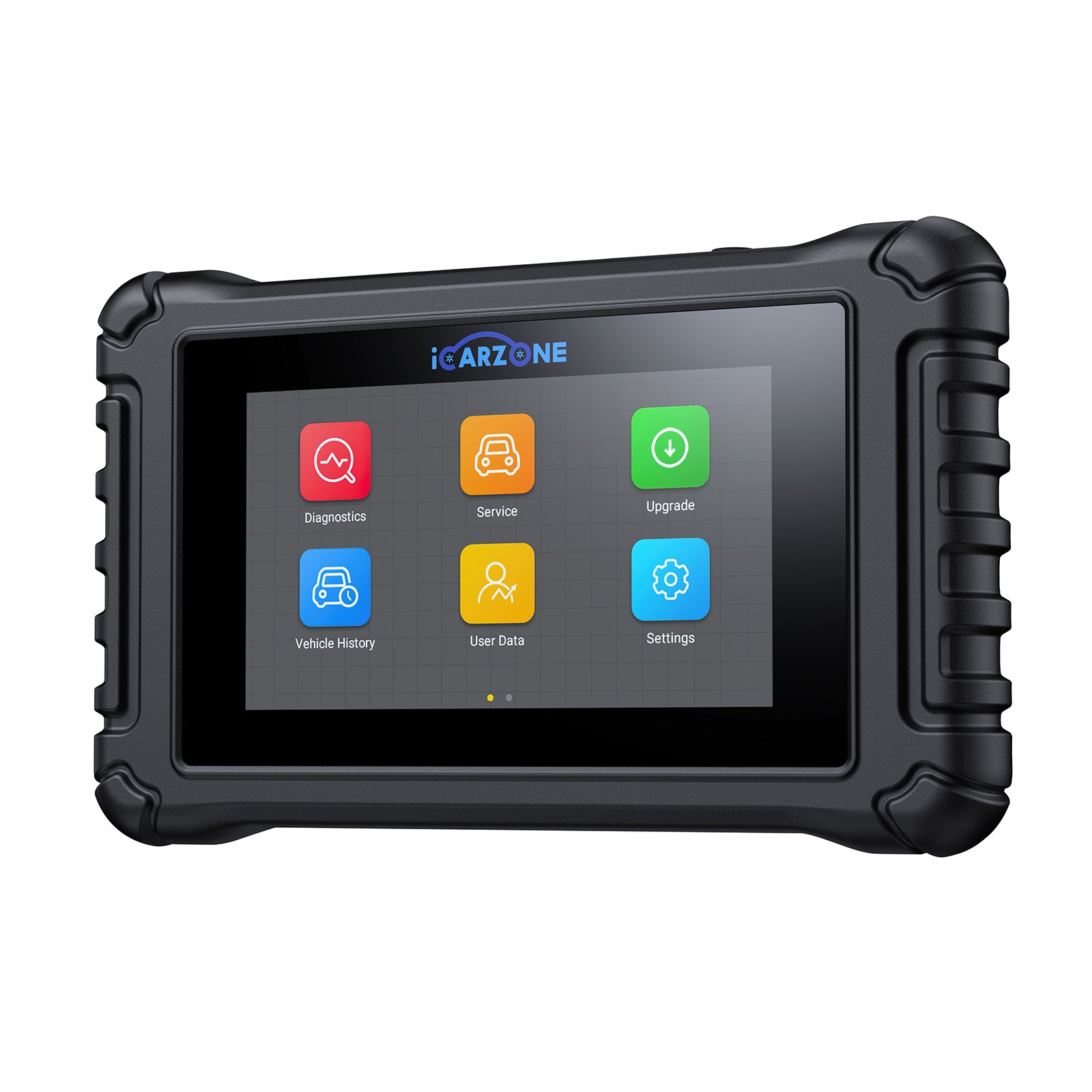
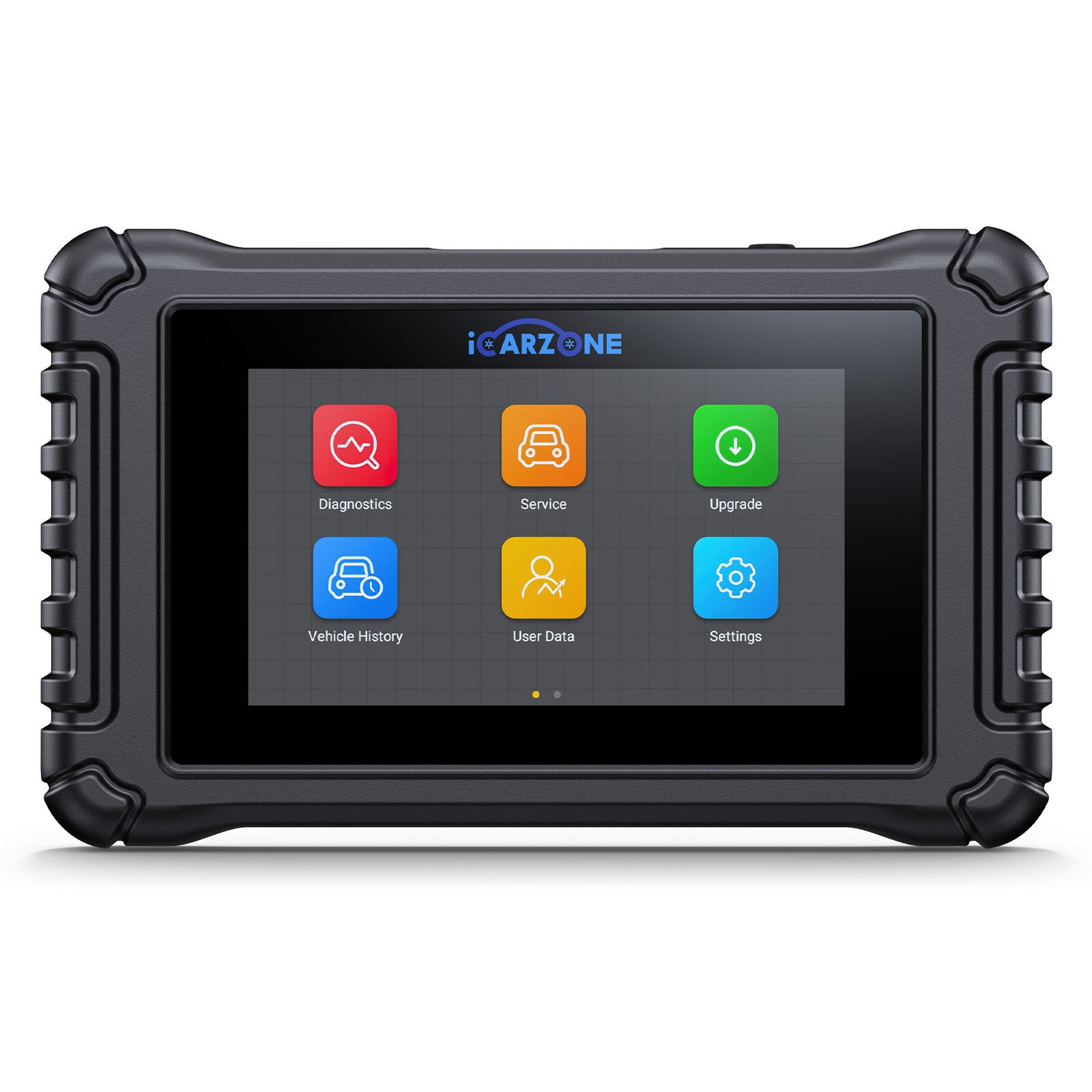
UR1000 compares dual-bank data, tests Bank 2 injectors, and updates ECM—critical for distinguishing sensor failure from systemic Bank 2 issues.
Only if caused by mild Bank 2 injector deposits. Severe leaks or sensor failure require mechanical repairs—additives work as prevention, not a fix.
Typically 80,000–120,000 miles. Severe driving (towing, stop-and-go) or low-quality fuel can reduce lifespan to 60,000 miles.
10. Summary
P2198 indicates an O2 sensor stuck rich (Bank 2, Sensor 1), caused by sensor failure, Bank 2 fuel injector leaks, exhaust leaks, or ECM glitches. Common in Ford, Chevrolet, and Volkswagen V-engines, this code reduces fuel economy and risks catalytic converter damage. Using the ICARZONE UR1000 for diagnostics—including dual-bank O2 monitoring, AFR checks, and injector tests—ensures accurate repairs. Solutions range from sensor replacement to exhaust repair, with preventive maintenance (regular dual-bank checks, quality fuel) key to avoiding recurrence.
Fix P2198 with UR1000
The ICARZONE UR1000 provides dual-bank O2 monitoring, AFR checks, and injector tests to accurately repair P2198 in Ford, Chevrolet, and Volkswagen V-engines.
Buy UR1000 Now