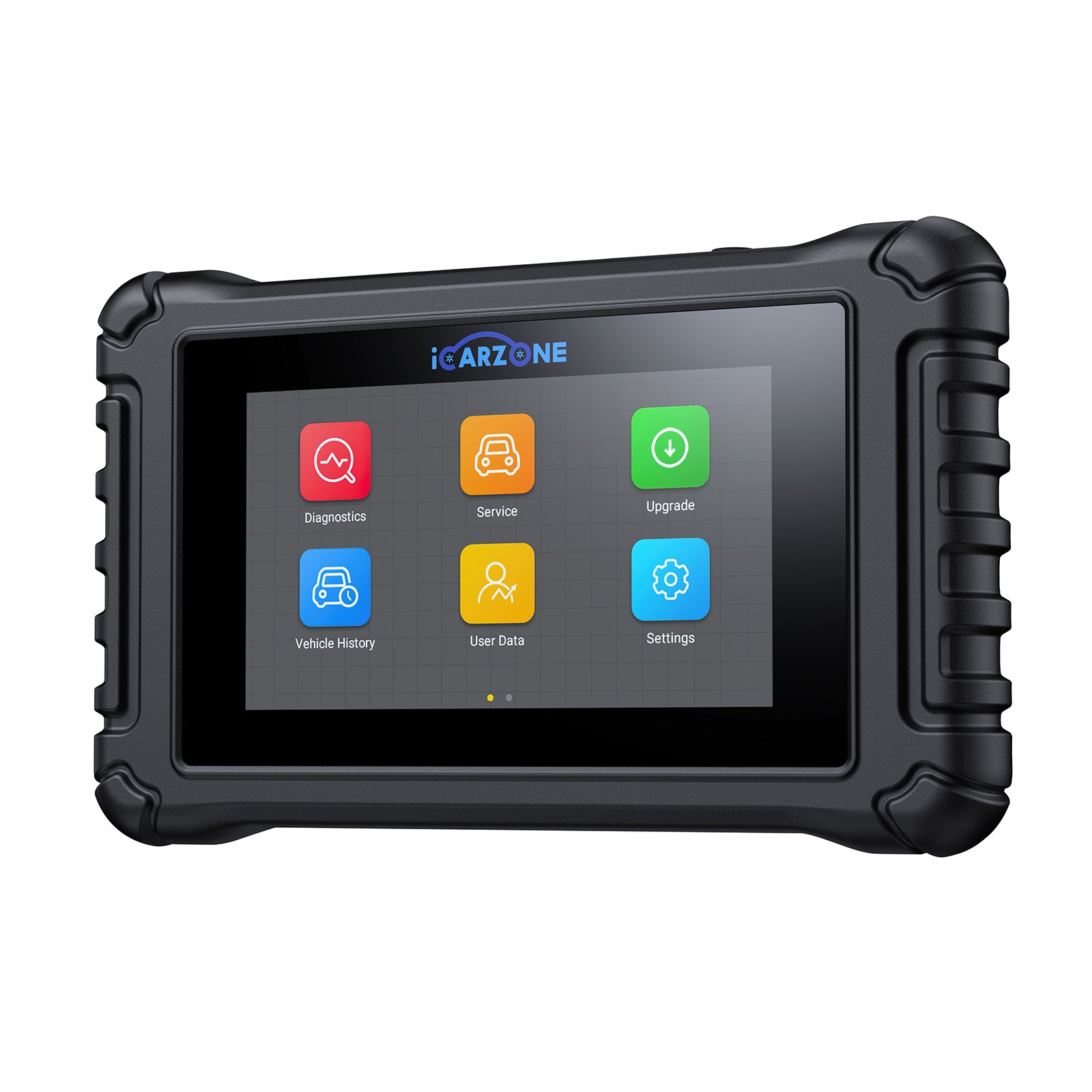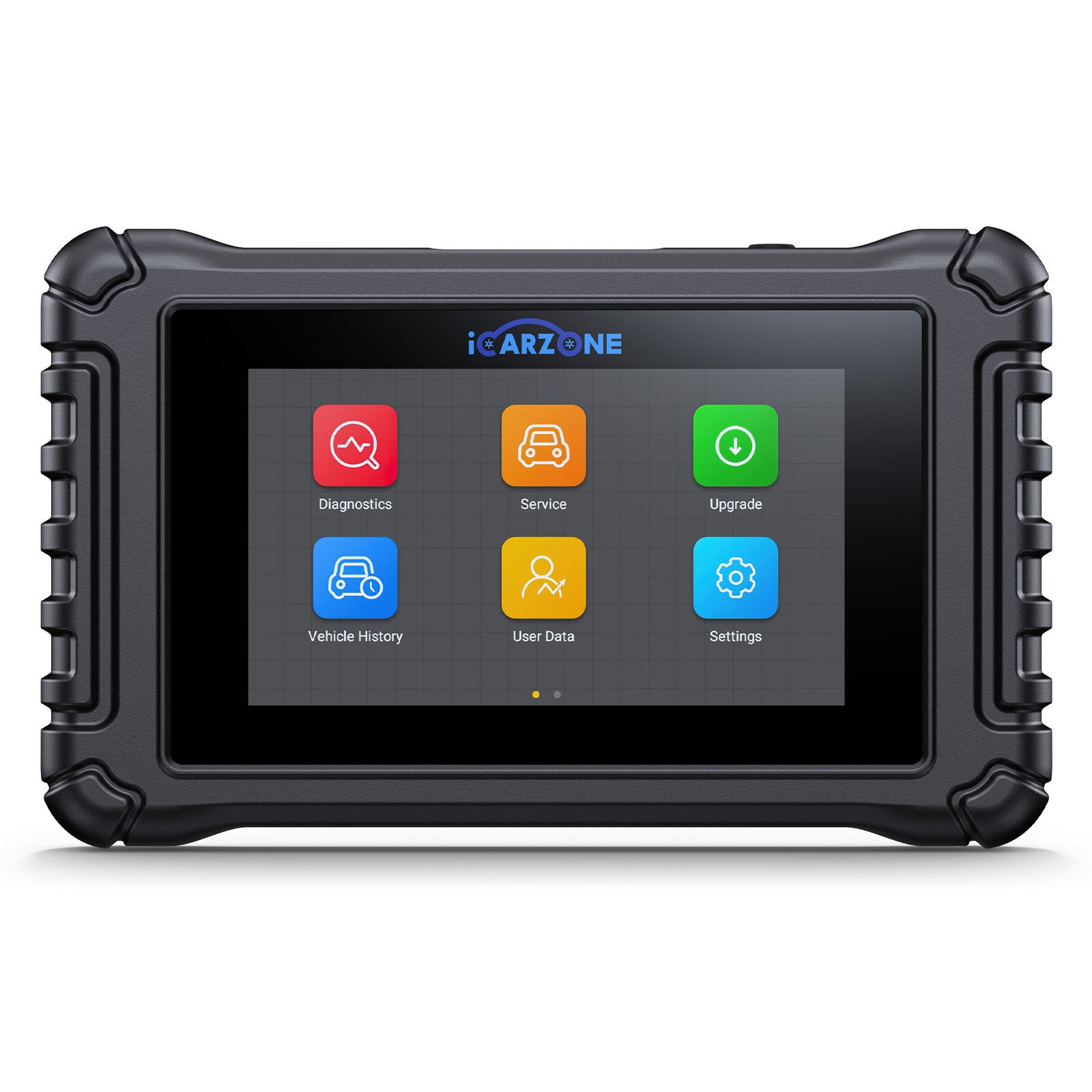

P2227 Ford/Chevy/VW: Fix BARO Sensor Issue | ICARZONE UR1000

P2227: Barometric Pressure Sensor Circuit Range/Performance
Solve P2227 in Ford, Chevrolet, and Volkswagen models. Learn causes, symptoms, and fixes using the ICARZONE UR1000 diagnostic tool.
Get ICARZONE UR1000 Now1. What is P2227?
P2227 is a Diagnostic Trouble Code indicating a Barometric Pressure (BARO) Sensor Circuit Range/Performance issue. The BARO sensor measures atmospheric pressure to help the ECM adjust fuel injection, ignition timing, and turbo boost (in forced-induction engines). P2227 triggers when the ECM detects sensor readings outside the normal operating range (typically 80–110 kPa at sea level).
This malfunction disrupts the ECM’s ability to optimize air-fuel ratio and engine timing, leading to reduced performance, poor fuel economy, and potential emissions non-compliance.
Impact on Engine Operation
In Ford, Chevrolet, and Volkswagen models—especially turbocharged variants (EcoBoost, Duramax, TSI)—a faulty BARO sensor causes incorrect boost pressure calculations and fuel trim adjustments. Naturally aspirated engines may experience hesitation during acceleration, while turbo models risk overboost or underboost conditions that damage engine components over time.
2. Common Causes in European & American Vehicles
P2227 stems from BARO sensor failure or circuit issues. Real-world diagnostic cases include:
- Faulty BARO Sensor (Ford F-150 3.5L EcoBoost) – UR1000 live data showed 65 kPa (below 80 kPa spec) at sea level; replacing OEM sensor #BL3Z-12A697-A restored normal readings.
- Damaged Wiring Harness (Chevrolet Silverado 6.6L Duramax) – Rodent-chewed wires between BARO sensor and ECM caused intermittent open circuit; heat-shielded wiring repair fixed voltage drop.
- Corroded Connector (Volkswagen Tiguan 2.0T TSI) – Water intrusion in sensor connector raised resistance; cleaning with dielectric grease + connector replacement cleared P2227.
- ECM Software Glitch (Ford Transit 3.2L Power Stroke) – Incorrect pressure threshold settings; UR1000 TSB lookup identified Ford bulletin 22-10-12 requiring ECM reflash.
- Sensor Contamination (Chevrolet Colorado 2.8L Duramax) – Oil residue on sensor element (from leaking valve cover gasket) distorted readings; sensor cleaning + gasket replacement resolved issue.
3. Key Symptoms
Vehicles with P2227 show performance-related symptoms that worsen with altitude changes (e.g., mountain driving):
- Check Engine Light illuminated (often paired with P0171/P0174 "System Too Lean" codes)
- Reduced acceleration and power (especially at highway speeds)
- Increased fuel consumption (10–18% drop reported)
- Hesitation or stalling during cold starts
- Turbocharged models: Overboost (loud turbo whine) or underboost (sluggish response)
- UR1000 live data showing "BARO Pressure: <80 kPa or >110 kPa" (at sea level)
4. Models Prone to P2227
These models show higher incidence due to BARO sensor placement (exposed to engine bay heat/moisture):
- Ford: 2015-2023 F-150 (3.5L EcoBoost/5.0L), 2017-2022 Transit (3.2L Power Stroke), 2018-2023 Ranger (2.3L EcoBoost)
- Chevrolet: 2017-2023 Silverado 2500HD (6.6L Duramax), 2016-2023 Colorado (2.8L Duramax), 2020-2023 Tahoe (5.3L)
- Volkswagen: 2018-2023 Tiguan (2.0T TSI), 2019-2023 Jetta GLI (2.0T), 2020-2023 Arteon (2.0T)
Relevant TSBs: Ford 22-10-12, GM 23-NA-256, VW 21G088 (BARO sensor calibration or wiring repair updates).
5. Diagnostic Steps with ICARZONE UR1000
Use ICARZONE UR1000 to accurately diagnose P2227 and avoid unnecessary sensor replacement:
| Step | Action with UR1000 | Goal | Pass/Fail Criteria |
|---|---|---|---|
| 1 | Full System Scan > "Engine Control Module" | Verify P2227 and check for related codes (P0171, P0234, P20EE) | Pass: Isolated P2227 | Fail: Multiple air/fuel or turbo codes |
| 2 | Live Data > "Barometric Pressure" | Compare sensor reading to actual atmospheric pressure (use weather app) | Pass: Reading within ±5 kPa of actual pressure | Fail: Reading outside 80–110 kPa (sea level) |
| 3 | Circuit Test > "BARO Sensor Voltage" | Measure sensor supply voltage (typically 4.5–5.0V) and signal voltage | Pass: Supply voltage ≥4.5V; signal voltage correlates to pressure | Fail: Low supply (<4.0V) or erratic signal |
| 4 | Connector Inspection > "Terminal Resistance" | Check for corrosion or loose pins using UR1000’s resistance test function | Pass: Terminal resistance <1Ω | Fail: Resistance >5Ω (corrosion/loose pin) |
| 5 | ECM Software Check > "Calibration Version" | Verify current software matches latest BARO-related TSBs | Pass: Latest version installed | Fail: Requires update (fixes threshold logic) |
Case Example: 2020 Chevrolet Silverado Duramax with P2227 – UR1000 showed 72 kPa BARO reading (actual: 101 kPa). Circuit test revealed 3.8V supply voltage (low) – repairing a frayed wire restored voltage to 4.8V, clearing the code without sensor replacement.
Diagnose P2227 with UR10006. Fixes & Execution
Repair strategies depend on UR1000 diagnostic results:
- BARO Sensor Replacement – Install OEM sensor (Ford #BL3Z-12A697-A, GM #12677838, VW #03L906051A). Torque to 8 ft-lbs and perform sensor relearn via UR1000.
- Wiring Harness Repair – Replace damaged sections with 22-gauge automotive wire. Use wire loom to protect against engine bay heat and rodent damage.
- Connector Service – Disconnect battery, clean terminals with electrical contact cleaner, apply dielectric grease, and ensure proper locking tab engagement.
- Sensor Cleaning – For oil-contaminated sensors, use mass airflow sensor cleaner (avoid harsh chemicals); let dry completely before reinstalling.
- ECM Reprogramming – Use UR1000 to install latest ECM calibration (critical for 2018+ turbo models with BARO pressure threshold bugs).
Model-Specific Tips
- Ford EcoBoost: After sensor replacement, run "BARO Sensor Relearn" via UR1000 (requires 15-minute idle + 10-mile test drive).
- Chevrolet Duramax: Inspect BARO sensor wiring near turbocharger – heat can degrade insulation; replace with heat-resistant harness if needed.
- VW TSI: Mount replacement sensor away from exhaust components (common heat-related failure point); use OEM mounting brackets.
7. Repair Costs & Safety Tips
Wiring Harness Repair Kit: $25–$70
ECM Reprogramming: $80–$200
Professional Diagnosis: $90–$160
Total Repair (parts + labor): $180–$450
Dealer Repair (parts + labor): $350–$600
Critical Safety Precautions
- Disconnect battery negative terminal before working on BARO sensor wiring to prevent electrical shorts.
- Allow engine to cool completely before accessing sensor (located near hot components in most models).
- Use torque wrench for sensor installation – over-tightening damages sensor threads.
- After repair, clear codes and test drive at varying altitudes (if possible) to verify BARO reading accuracy.
- For turbocharged models, avoid high-speed driving until P2227 is fixed – incorrect boost can cause engine damage.
8. Preventive Maintenance
Avoid P2227 with these proactive measures:
- Inspect BARO sensor and wiring every 30,000 miles – look for corrosion, rodent damage, or heat degradation.
- Replace engine valve cover gaskets at first sign of oil leaks – oil contamination ruins BARO sensors.
- Use UR1000 to monitor BARO pressure quarterly – catch abnormal readings (±10 kPa of actual pressure) early.
- Protect sensor connector from water – use dielectric grease during oil changes to prevent corrosion.
- For off-road vehicles, install a sensor cover to shield against dust and debris.
9. Frequently Asked Questions
Short distances (50–80 miles) are possible, but long-term driving causes poor fuel economy and risks turbo/engine damage. Repair promptly.
Only if caused by contamination (oil/dust). Faulty sensors or wiring issues require replacement/repair – use UR1000 to diagnose first.
OEM sensors recommended. Aftermarket sensors often have inaccurate readings, causing recurring P2227 in Ford/GM/VW ECMs.
UR1000 verifies sensor accuracy, tests circuit voltage, checks ECM calibration, and performs relearn – avoiding guesswork and unnecessary parts.
Normal altitude changes (e.g., mountains) adjust readings, but P2227 only triggers if readings are outside the ECM’s adaptive range (±20 kPa).
Typically 100,000–150,000 miles. Engine oil leaks or harsh driving conditions can reduce lifespan to 60,000 miles.
10. Summary
P2227 indicates a BARO sensor circuit range/performance issue, caused by sensor failure, wiring damage, contamination, or ECM glitches. Common in Ford, Chevrolet, and Volkswagen models – especially turbocharged variants – this code reduces power and fuel economy. Using the ICARZONE UR1000 for diagnostics—including pressure verification, circuit testing, and calibration checks—ensures accurate repairs. Solutions range from sensor cleaning to wiring repair, with preventive maintenance (regular inspections, oil leak fixes) key to avoiding recurrence.
Fix P2227 with UR1000
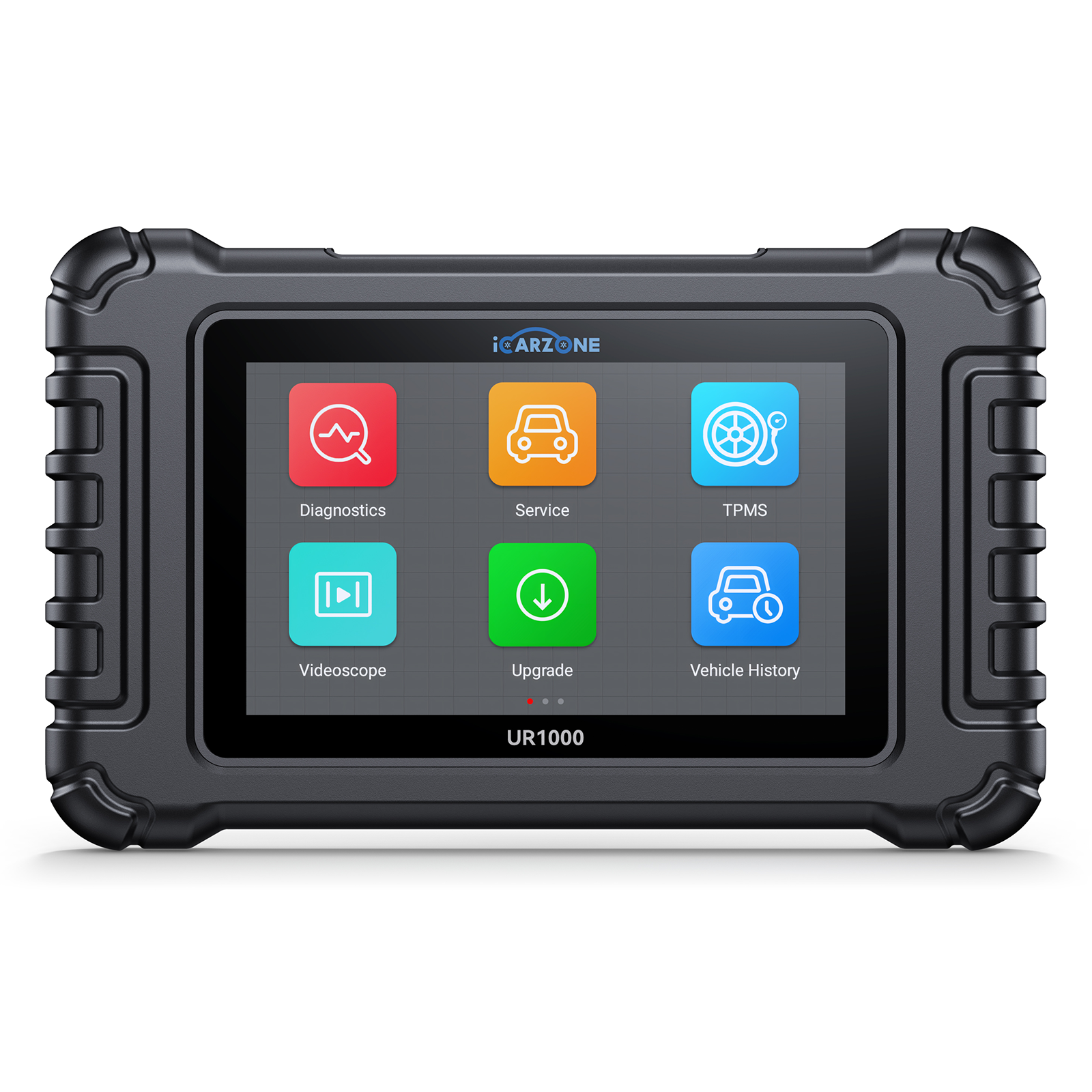
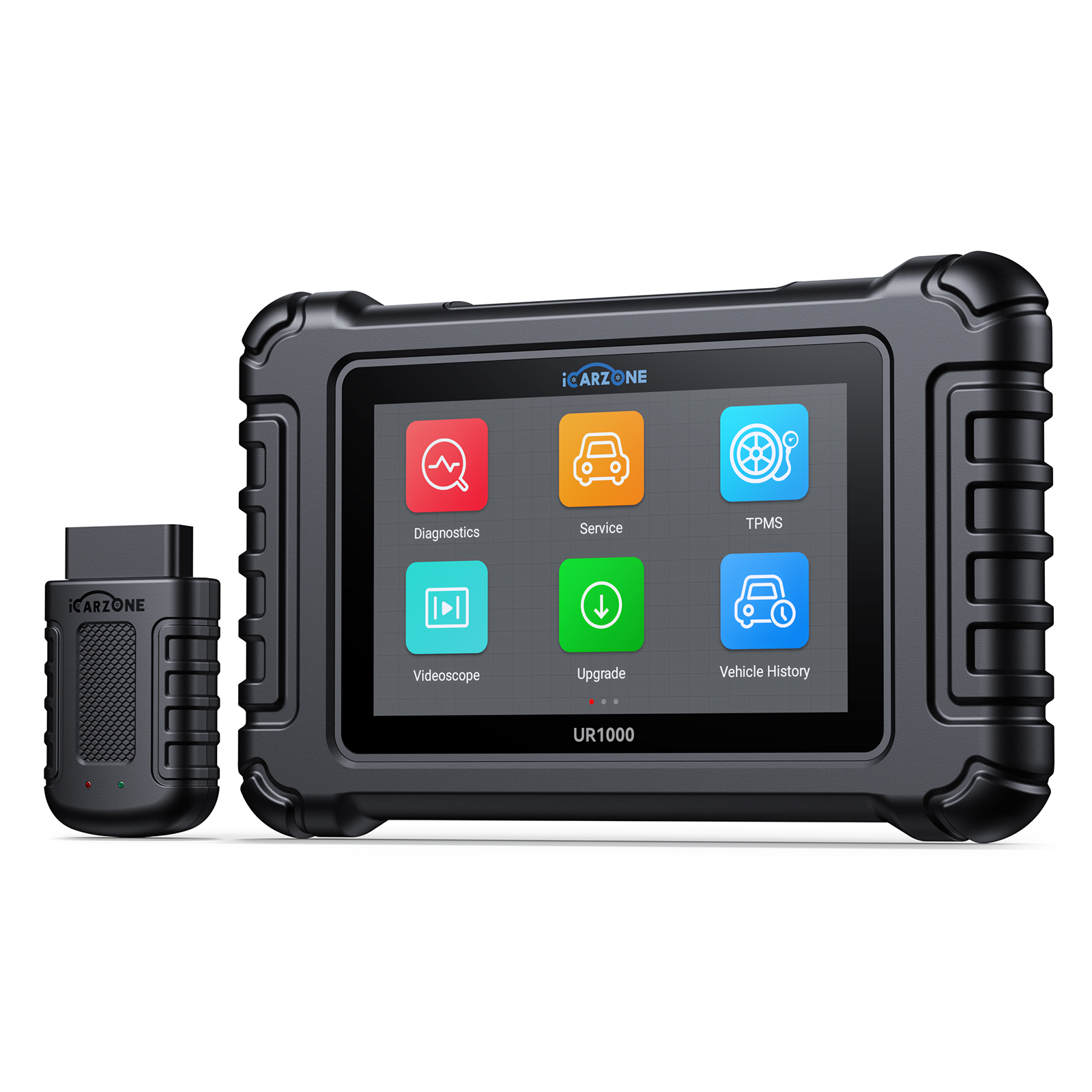
The ICARZONE UR1000 provides BARO pressure testing, circuit checks, and ECM updates to accurately repair P2227 in Ford, Chevrolet, and Volkswagen vehicles.
Buy UR1000 Now