
P2509 Ford F-150 EcoBoost: Fix Charging System Voltage Low | UR800 Guide

```html
P2509: Charging System Voltage Low
Resolve P2509 in Ford F-150 EcoBoost. Learn causes, symptoms, and fixes for the charging system voltage low issue with practical steps and the UR800 diagnostic tool.
Get UR800 Diagnostic Tool1. What is P2509?
P2509 is a Diagnostic Trouble Code indicating Charging System Voltage Low. The ECM (Engine Control Module) monitors the alternator’s output voltage; P2509 triggers when voltage drops below the normal range (typically 13.5–14.5V) for an extended period, signaling a failure in the charging system.
Why It Matters for Ford F-150 EcoBoost
EcoBoost engines (2.7L, 3.5L) rely on consistent electrical power for turbo control, fuel injection, and hybrid systems (in PowerBoost models). Low charging voltage (P2509) causes battery drain, dashboard warning lights, and potential stalling—using targeted diagnostics like fix P2509 on F-150 3.5L EcoBoost avoids misreplacing functional alternators.
2. Common Causes in Ford F-150 EcoBoost
P2509 is common in 2017–2024 Ford F-150 EcoBoost models. Real-world causes and examples include:
- Failing Alternator — Example: 2020 F-150 3.5L EcoBoost with P2509 showed 12.1V output (normal: 13.5–14.5V); replacing the alternator (Ford #GL3Z-10346-A) restored proper voltage.
- Corroded Battery Terminals — Example: Coastal F-150 with salt exposure had green corrosion on battery posts; cleaning terminals and applying anti-corrosion spray cleared P2509.
- Damaged Alternator Wiring — Example: Rodent-chewed alternator harness in 2019 F-150 2.7L caused voltage drop; splicing new wiring resolved the code.
- Voltage Regulator Failure — Example: 2021 F-150 PowerBoost with internal regulator failure; integrated into alternator, requiring full unit replacement.
- Weak Battery — Example: 5-year-old battery in 2018 F-150 couldn’t hold charge, triggering P2509; new battery and system test fixed the issue.
3. Key Symptoms in Ford F-150 EcoBoost
Owners typically notice these P2509-related symptoms, especially during extended driving or with accessories active:
- Check Engine Light illuminated with P2509 (may pair with P0562 or P0563 voltage codes)
- "Battery Saver Active" warning message on dashboard
- Dimming headlights and interior lights during acceleration
- Power window/sunroof slow operation or temporary failure
- UR800 live data showing charging voltage below 13.0V at 1500+ RPM
4. Ford F-150 Models Prone to P2509
While P2509 can affect any F-150, these EcoBoost variants show higher incidence:
- 2017–2022 F-150 3.5L EcoBoost (higher electrical load from twin turbos)
- 2021–2024 F-150 PowerBoost Hybrid (additional battery management systems)
- 2018–2024 F-150 2.7L EcoBoost with aftermarket electrical accessories (added load strain)
- F-150s with 80,000+ miles (alternator and battery wear)
Ford TSB 21-23-07 addresses P2509 in 2020–2022 F-150 EcoBoost models, recommending alternator output testing and terminal cleaning.
5. Diagnostic Steps (Ford F-150 Focus) with UR800
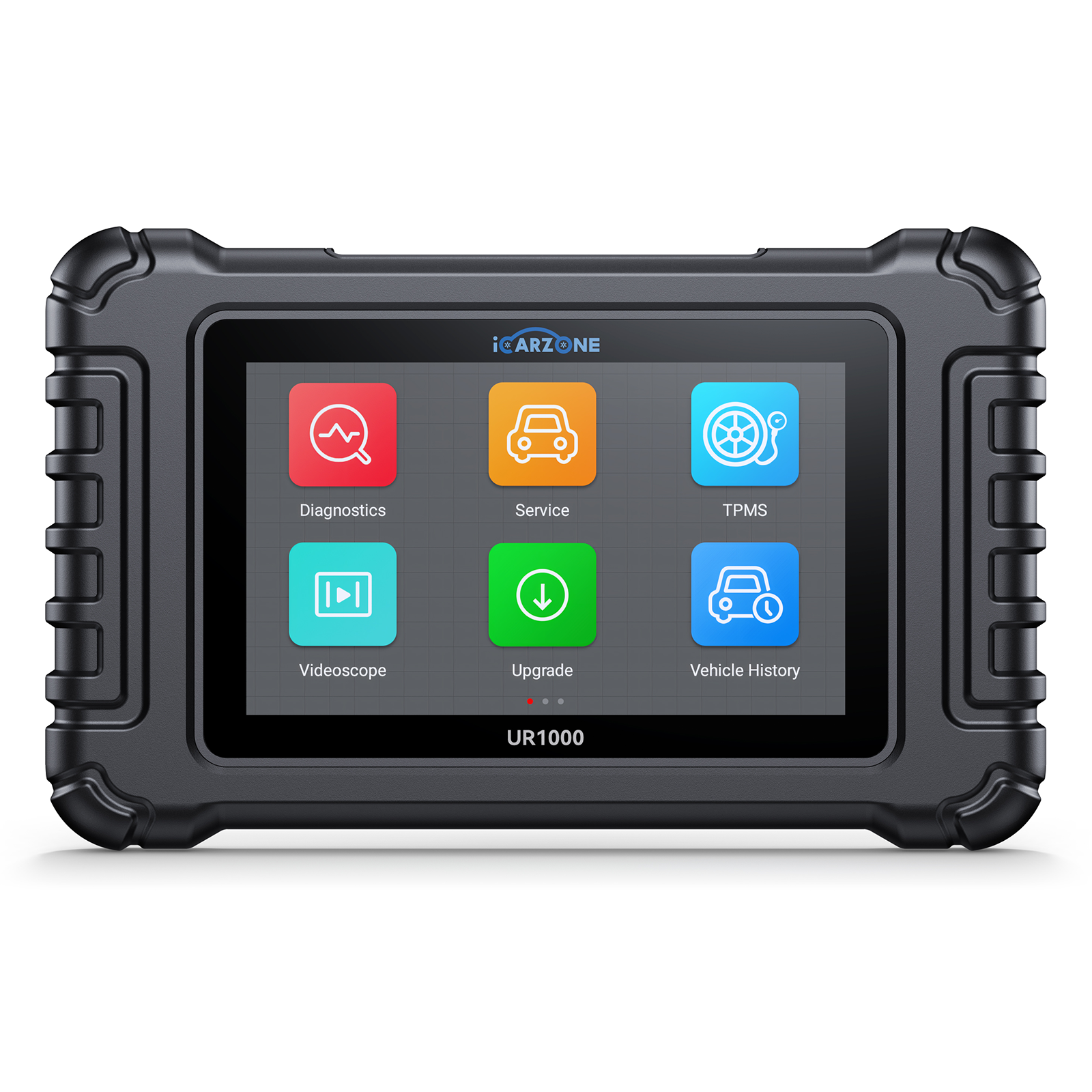
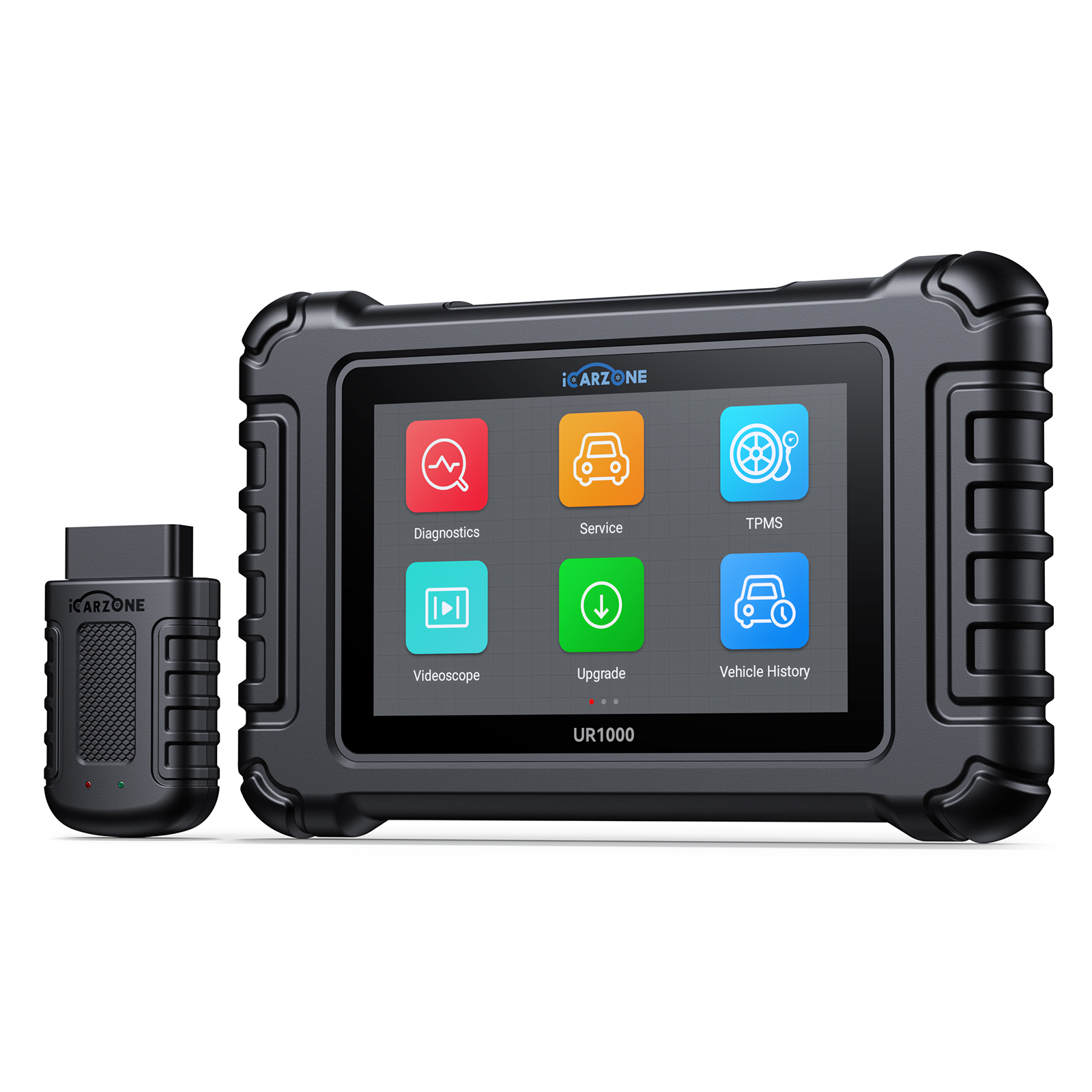
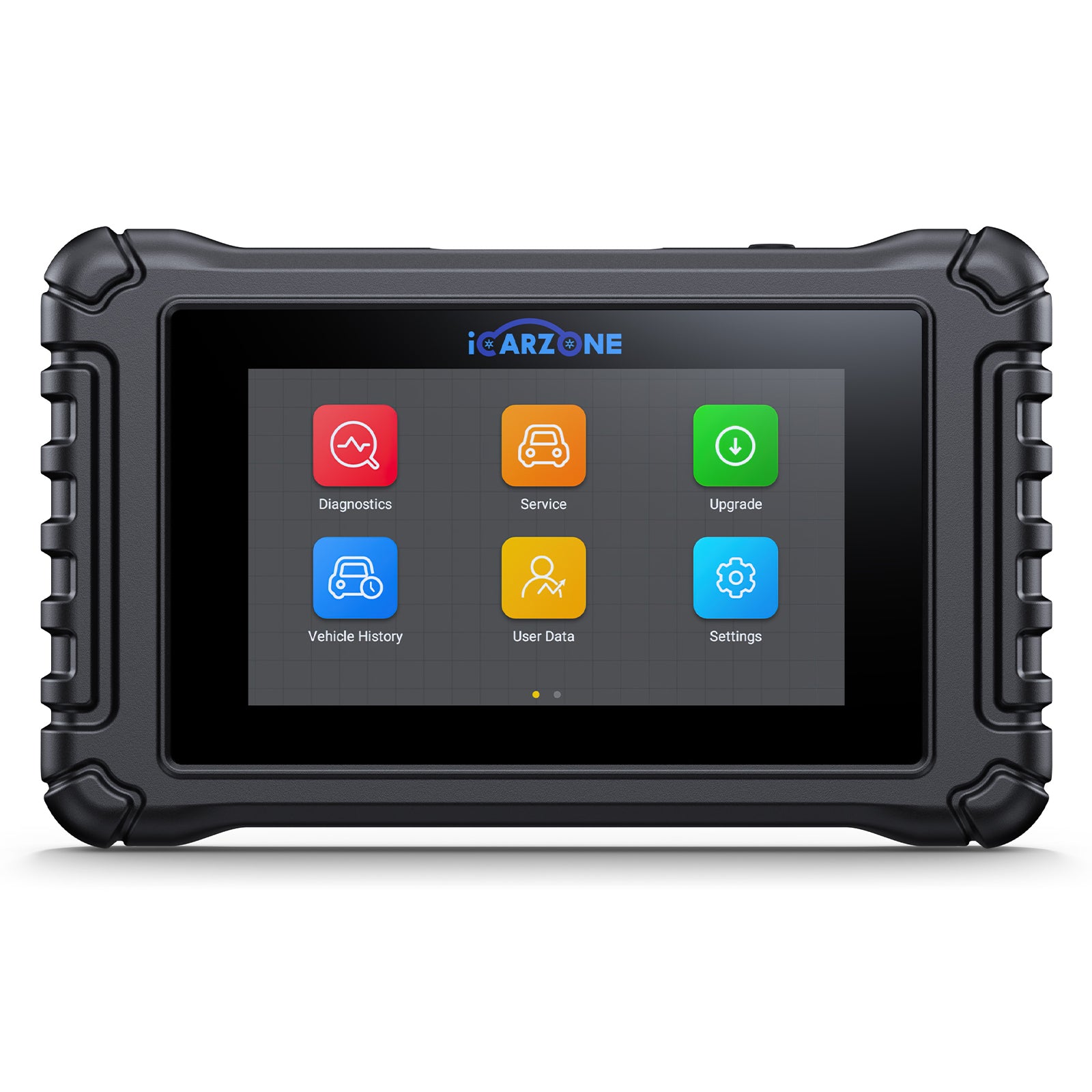
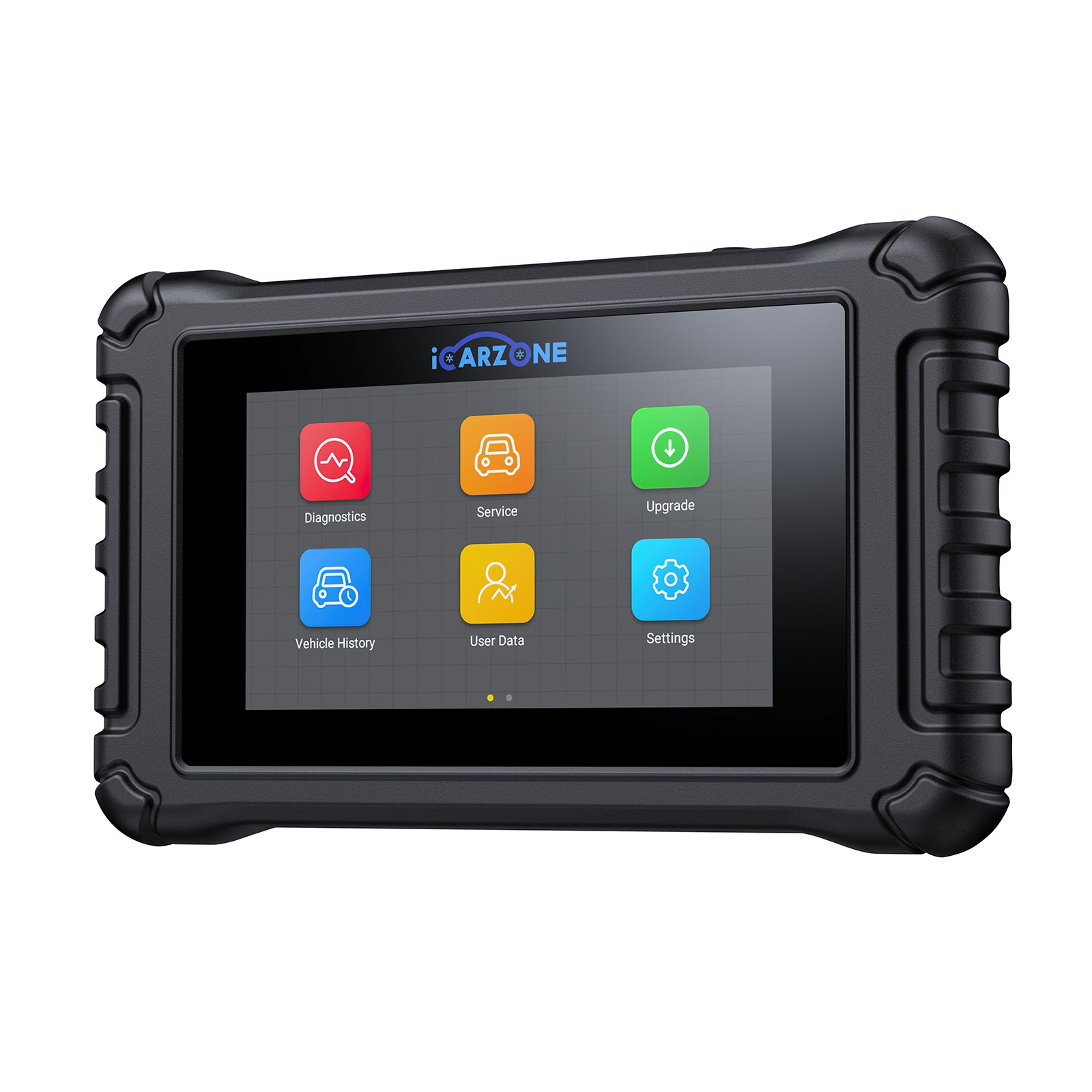
Use UR800 to test the charging system and distinguish between alternator, battery, or wiring issues:
| Step | Action with UR800 | F-150 Goal | Pass/Fail Criteria |
|---|---|---|---|
| 1 | Full System Scan > Select "Ford" > "F-150" > "Battery/Charging" | Confirm P2509 and check for related voltage codes (P0562, P0563) | Pass: Single P2509 | Fail: Multiple codes indicating systemic electrical issues |
| 2 | Live Data > "Battery Voltage" & "Alternator Output" | Monitor voltage at idle (13.0–13.5V) and 1500 RPM (13.5–14.5V) | Pass: Voltage stays in range | Fail: Consistently below 13.0V (charging fault) |
| 3 | Circuit Test > "Alternator Wiring Resistance" | Check resistance between alternator and battery (should be <0.5Ω) | Pass: Low resistance | Fail: High resistance (corroded/damaged wiring) |
| 4 | Battery Load Test > "Battery Capacity Check" | Verify battery can hold charge under load (minimum 9.6V during test) | Pass: Voltage above 9.6V | Fail: Voltage drop (weak battery) |
| 5 | Alternator Ripple Test > "AC Ripple Voltage" | Check for excessive AC ripple (>0.5V indicates failing alternator diode) | Pass: Ripple <0.5V | Fail: High ripple (alternator internal fault) |
Case Example: A 2019 F-150 3.5L with P2509 showed 12.2V output via UR800. Ripple test read 1.8V (excessive), confirming alternator diode failure. Replacement restored normal voltage and cleared the code.
Diagnose F-150 P2509 with UR8006. Fixes & Execution for Ford F-150 EcoBoost
Fix depends on UR800 test results. Most P2509 cases resolve with these steps:
- Replace alternator — Use OEM unit (Ford #GL3Z-10346-A) for 3.5L/2.7L EcoBoost. Located on the passenger side of the engine bay.
- Clean/replace battery terminals — Disconnect battery, clean terminals with wire brush and baking soda solution, apply dielectric grease.
- Repair alternator wiring — Splice damaged sections with heat-shrink connectors, replace harness if severely damaged (Ford #WPT-1722).
- Install new battery — Use OEM-spec battery (Group 65, 750 CCA minimum) for proper charging system compatibility.
- ECM/PCM reflash — Update software per Ford TSB 21-23-07 for 2020–2022 models with voltage regulation calibration issues.
F-150-Specific Workflow
- Always test battery first—25% of P2509 cases in F-150s are battery-related, not alternator failures.
- Disconnect the negative battery terminal before working on alternator or wiring to prevent shorts.
- After repairs, verify charging voltage with UR800 under load (AC on, headlights on) to ensure stability.
7. Repair Costs & Safety Tips for Ford F-150
OEM Alternator: $180–$350 (varies by engine size)
Battery Replacement: $150–$250 (Group 65 AGM battery)
Terminal Cleaning Kit: $10–$20
Wiring Repair Kit: $15–$40
Professional Alternator Replacement: $400–$650 (parts + labor)
Critical Safety Precautions
- Disconnect the negative battery terminal before working on any electrical components.
- Use insulated tools when handling alternator connections to prevent short circuits.
- Never disconnect a battery or alternator while the engine is running—can damage the ECM.
- Wear eye protection when cleaning battery terminals to avoid contact with corrosive material.
8. Preventive Maintenance for Ford F-150 P2509
Reduce P2509 risk with these proactive steps:
- Inspect battery terminals quarterly—clean and apply anti-corrosion spray if needed.
- Test charging system voltage with UR800 during oil changes (should read 13.5–14.5V at 1500 RPM).
- Replace battery every 4–5 years, even if it seems functional—preventative maintenance.
- Check alternator wiring for abrasion during engine bay cleaning—especially near pulleys/belts.
- Avoid overloading the electrical system with aftermarket accessories (limit to 500W total).
9. Frequently Asked Questions
Short distances may be possible, but continued driving will drain the battery, leading to stalling. Address promptly.
If the battery is weak and can’t hold charge, yes. Use UR800 to test battery capacity before replacement—often the alternator is the culprit.
Alternators and batteries are often covered under powertrain or bumper-to-bumper warranties (3–5 years/60,000–100,000 miles).
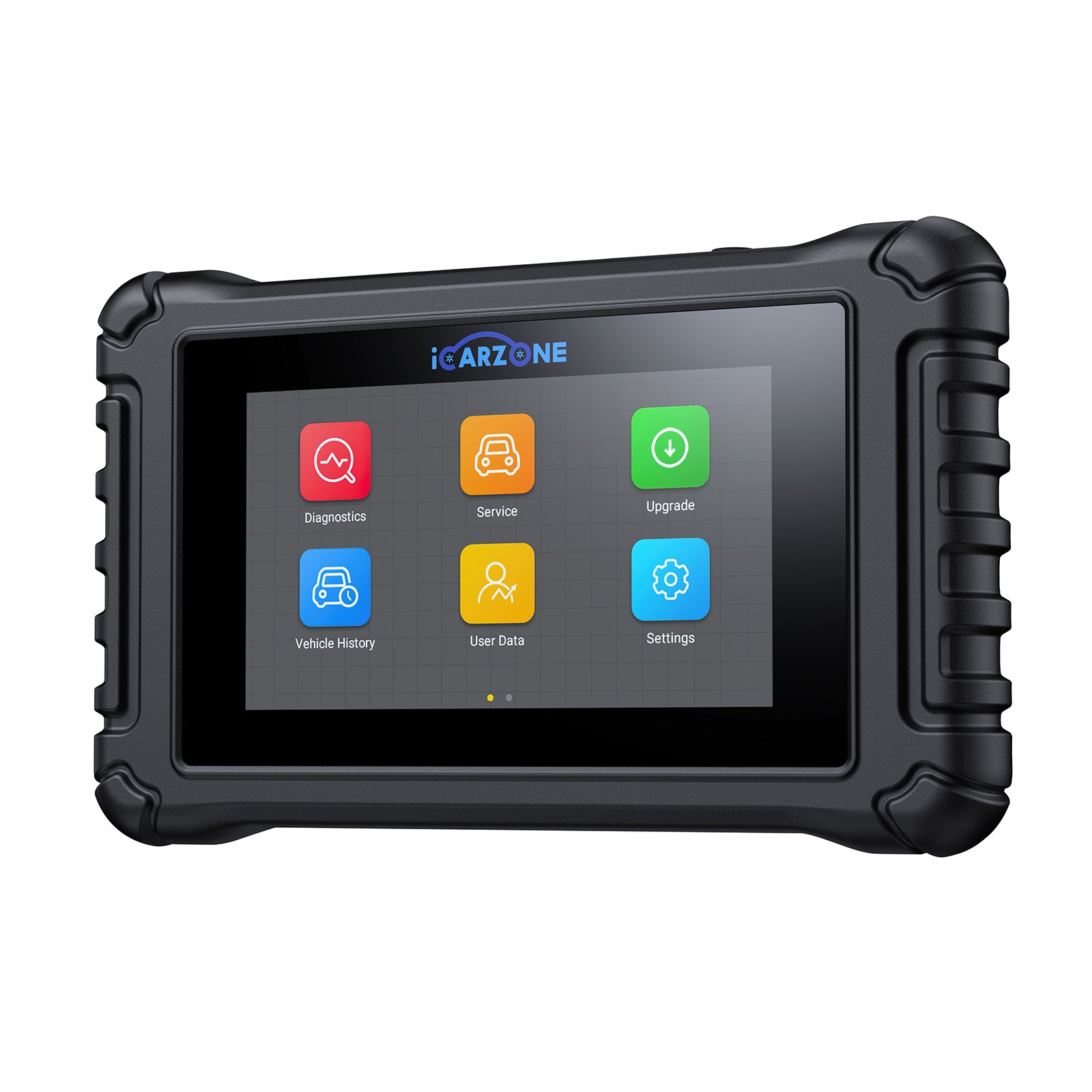
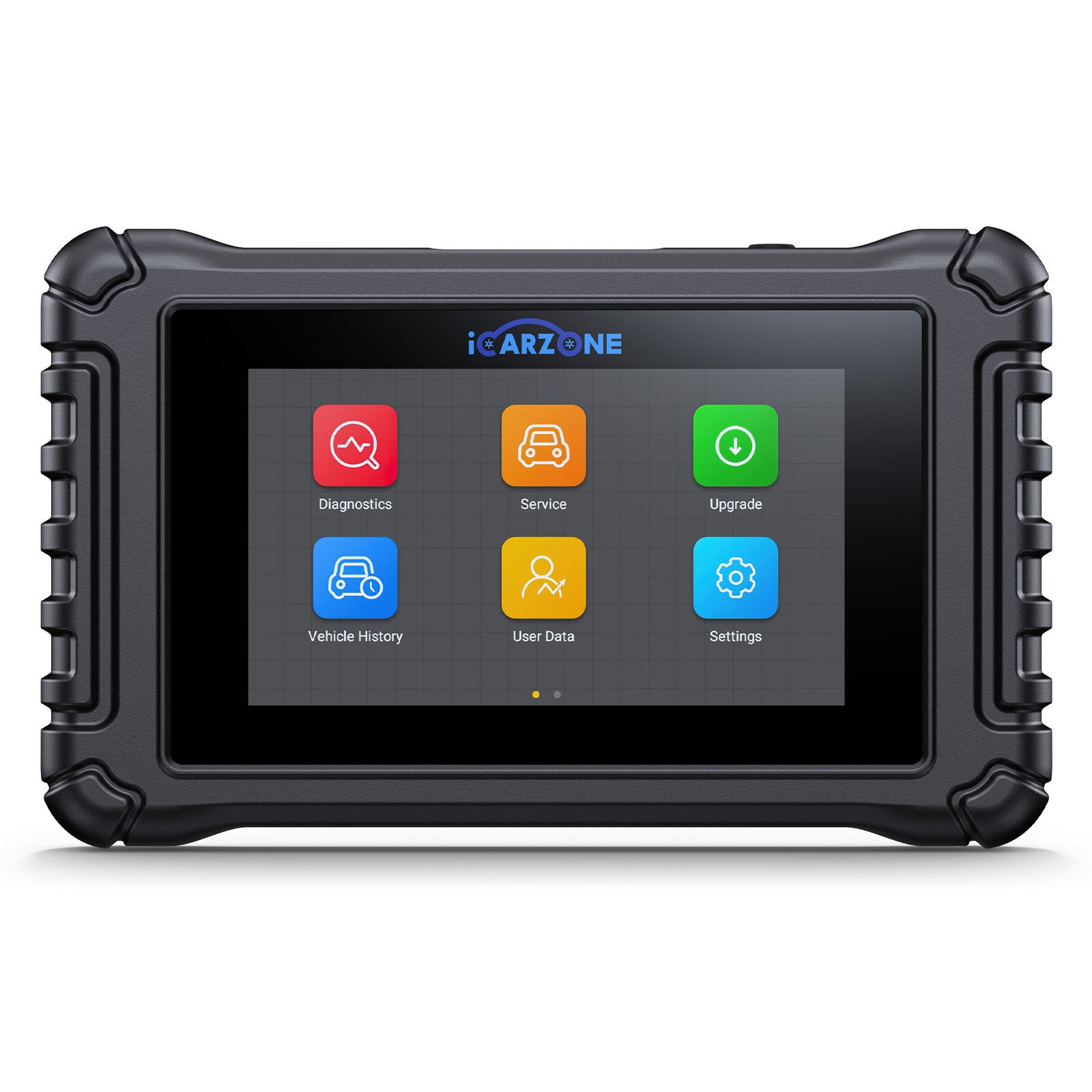
UR800 measures live voltage, ripple, and resistance to pinpoint whether P2509 comes from a bad alternator, weak battery, or wiring issue.
Typically 100,000–150,000 miles. EcoBoost models with high electrical loads may experience earlier failure.
Yes—cold temperatures stress batteries and alternators, exposing weak components. Test system health before winter.
10. Summary
P2509 (Charging System Voltage Low) is a critical electrical code in Ford F-150 EcoBoost models, causing battery drain and potential stalling. Using the UR800 diagnostic tool—with its live voltage monitoring, ripple testing, and resistance checks—allows accurate diagnosis of whether the issue is a failing alternator, weak battery, or wiring problem. Most cases resolve with alternator replacement, terminal cleaning, or battery service. Promptly fixing P2509 ensures reliable electrical system operation and prevents costly ECM damage.
Diagnose P2509 with UR800
UR800 provides charging system voltage tests, ripple analysis, and battery load checks to quickly identify whether P2509 is caused by alternator, battery, or wiring issues—saving time and avoiding unnecessary parts replacement.
Order UR800 Today```