
P2610 Ford F-150 EcoBoost: Fix ECM/PCM Timer Performance | UR800 Guide

P2610: ECM/PCM Internal Engine Off Timer Performance
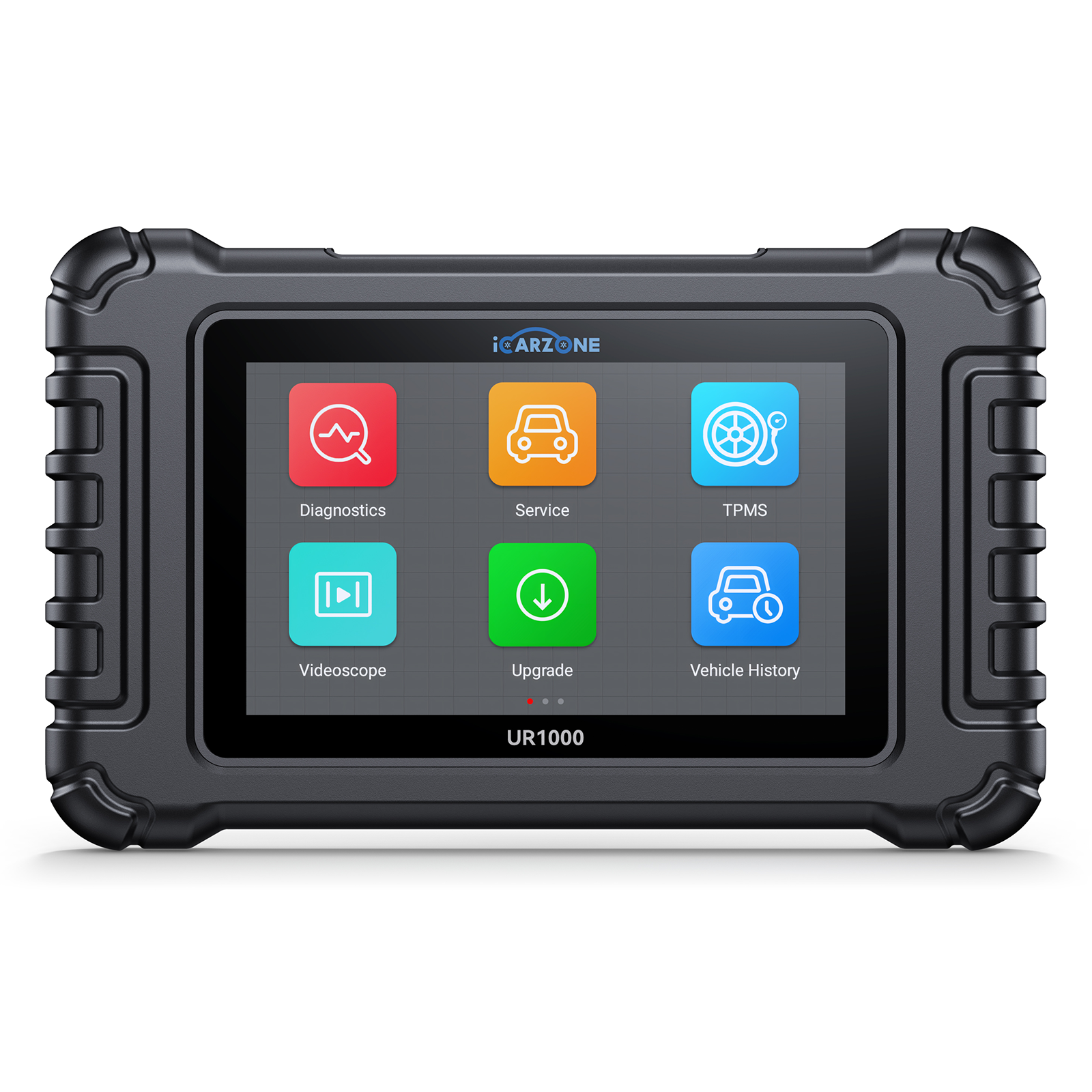
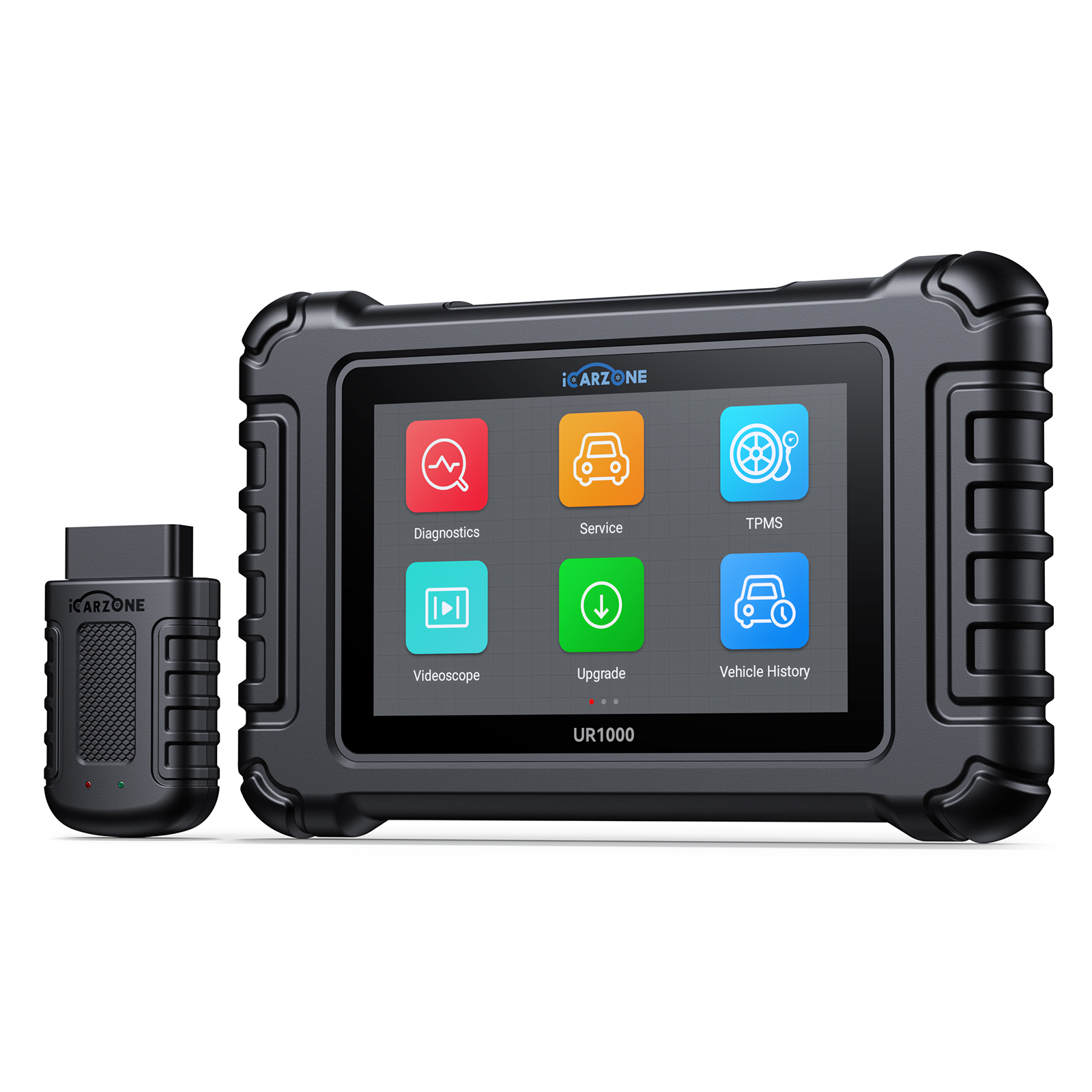
Resolve P2610 in Ford F-150 EcoBoost. Learn causes, symptoms, and fixes for the ECM/PCM internal timer issue with practical steps and the UR800 diagnostic tool.
Get UR800 Diagnostic Tool1. What is P2610?
P2610 is a Diagnostic Trouble Code indicating ECM/PCM Internal Engine Off Timer Performance. The ECM (Engine Control Module) uses an internal timer to manage post-shutdown functions (e.g., fuel pressure retention, cooling fan operation); P2610 triggers when this timer malfunctions or sends invalid data to the PCM.
Why It Matters for Ford F-150 EcoBoost
EcoBoost engines rely on precise ECM/PCM communication for turbo cooling, fuel system priming, and hybrid component management (PowerBoost models). A faulty internal timer (P2610) causes post-shutdown issues, battery drain, and potential starting problems—using targeted diagnostics like fix P2610 on F-150 3.5L EcoBoost avoids unnecessary ECM replacement.
2. Common Causes in Ford F-150 EcoBoost
P2610 is prevalent in 2017–2024 Ford F-150 EcoBoost models. Real-world causes and examples include:
- ECM Software Glitches — Example: 2020 F-150 3.5L EcoBoost with P2610 after battery replacement; ECM reflash (Ford TSB 21-10-03) resolved timer synchronization.
- Low Battery Voltage — Example: 2019 F-150 2.7L with 12.0V battery (normal: 12.6V) triggered P2610; charging battery to 12.6V cleared the code.
- Corroded ECM Connectors — Example: Off-road F-150 with water intrusion in ECM connector C102; cleaning with electrical contact cleaner fixed timer communication.
- Internal ECM Failure — Example: 2018 F-150 with repeated P2610 after reflashing; ECM replacement (Ford #HL3Z-12A650-AA) was required.
- Aftermarket Electronic Interference — Example: 2021 F-150 with aftermarket remote start causing timer disruption; reconfiguring the system with UR800 cleared P2610.
3. Key Symptoms in Ford F-150 EcoBoost
Owners typically notice these P2610-related symptoms, especially after shutdown or startup:
- Check Engine Light illuminated with P2610 (may pair with U0100 or U0140 communication codes)
- Cooling fans running indefinitely after engine shutdown
- Battery drain overnight (20–30% capacity loss)
- Delayed or no start after sitting (fuel system not priming)
- UR800 live data showing "Engine Off Timer Mismatch" in ECM parameters
4. Ford F-150 Models Prone to P2610
While P2610 can affect any F-150, these EcoBoost variants show higher incidence:
- 2017–2022 F-150 3.5L EcoBoost (complex post-shutdown turbo cooling requirements)
- 2021–2024 F-150 PowerBoost Hybrid (advanced ECM/PCM integration with hybrid systems)
- 2018–2024 F-150 2.7L EcoBoost with aftermarket electronics (added communication strain)
- F-150s with 60,000+ miles (ECM software degradation over time)
Ford TSB 21-10-03 addresses P2610 in 2020–2022 F-150 EcoBoost models, recommending ECM software updates and connector inspection.
5. Diagnostic Steps (Ford F-150 Focus) with UR800
Use UR800 to test ECM/PCM timer functionality and distinguish between software, electrical, or hardware issues:
| Step | Action with UR800 | F-150 Goal | Pass/Fail Criteria |
|---|---|---|---|
| 1 | Full System Scan > Select "Ford" > "F-150" > "ECM/PCM" | Confirm P2610 and check for related communication codes (U0100, U0140) | Pass: Single P2610 | Fail: Multiple codes indicating network issues |
| 2 | Live Data > "Engine Off Timer Status" & "Battery Voltage" | Verify timer resets properly when ignition is cycled; check battery voltage (>12.4V) | Pass: Timer resets, voltage stable | Fail: Timer stuck, voltage below 12.4V |
| 3 | ECM Parameter Check > "Timer Calibration Values" | Compare stored timer values to Ford specifications (10–15 minutes post-shutdown) | Pass: Values within spec | Fail: Values outside range (software issue) |
| 4 | Connector Inspection > Check ECM connectors C102/C103 for corrosion | Identify water intrusion or pin corrosion affecting timer communication | Pass: Clean, tight connections | Fail: Corrosion requiring cleaning/replacement |
| 5 | Software Version Check > "ECM Calibration ID" | Verify current software matches latest Ford update (per TSB 21-10-03) | Pass: Latest version installed | Fail: Requires reflash to correct timer logic |
Case Example: A 2020 F-150 3.5L with P2610 showed timer values outside spec via UR800. ECM reflash to latest calibration (per TSB 21-10-03) restored proper timer function and cleared the code.
Diagnose F-150 P2610 with UR8006. Fixes & Execution for Ford F-150 EcoBoost
Fix depends on UR800 test results. Most P2610 cases resolve with these steps:
- ECM/PCM Reflash — Update to latest calibration (per Ford TSB 21-10-03) using UR800 or dealer software. Corrects timer logic errors.
- Battery Service — Charge or replace battery if voltage is below 12.4V. Use OEM-spec battery (Group 65, 750 CCA minimum).
- Clean ECM Connectors — Disconnect battery, spray connectors with electrical contact cleaner, and apply dielectric grease. Repair bent pins with needle-nose pliers.
- ECM Replacement — For internal failures (rare); use OEM ECM (Ford #HL3Z-12A650-AA) programmed to your VIN.
- Remove Aftermarket Interference — Disconnect non-OEM electronics (remote starts, radios) and re-test with UR800 to identify signal conflicts.
F-150-Specific Workflow
- Always start with a battery test—30% of P2610 cases in F-150s relate to low voltage, not ECM issues.
- Disconnect the negative battery terminal before working on ECM connectors to prevent short circuits.
- After repairs, monitor post-shutdown behavior for 24 hours and re-scan with UR800 to confirm resolution.
7. Repair Costs & Safety Tips for Ford F-150
ECM Reflash (DIY): $0–$50 (using UR800 with Ford software)
Dealer ECM Reflash: $150–$250
Battery Replacement: $150–$250 (Group 65 AGM battery)
Connector Repair Kit: $15–$30
OEM ECM Replacement: $600–$1,200 (parts + programming)
Critical Safety Precautions
- Disconnect the negative battery terminal before disconnecting ECM connectors to prevent voltage spikes.
- Use static discharge protection (ground strap) when handling ECM components to avoid frying circuits.
- Never open the ECM housing—internal components are sensitive to moisture and static.
- Reconnect battery only after all ECM connectors are properly seated to prevent pin damage.
8. Preventive Maintenance for Ford F-150 P2610
Reduce P2610 risk with these proactive steps:
- Check battery voltage monthly with UR800—maintain above 12.4V to prevent timer instability.
- Inspect ECM connectors annually for corrosion—especially after water exposure or off-roading.
- Update ECM software during routine service—dealers often include this with oil changes for EcoBoost models.
- Avoid aftermarket electronics that tap into ECM wiring—use OBD-II port accessories instead.
- Disconnect battery if vehicle will be stored for 30+ days to prevent voltage depletion.
9. Frequently Asked Questions
Yes, but prolonged driving may cause battery drain or starting issues. Address promptly to avoid being stranded.
Temporarily, yes—resets the timer. But P2610 will return unless the root cause (software, voltage, connectors) is fixed.
Often yes—ECM-related issues are typically covered under powertrain warranties (5–6 years/60,000–100,000 miles).
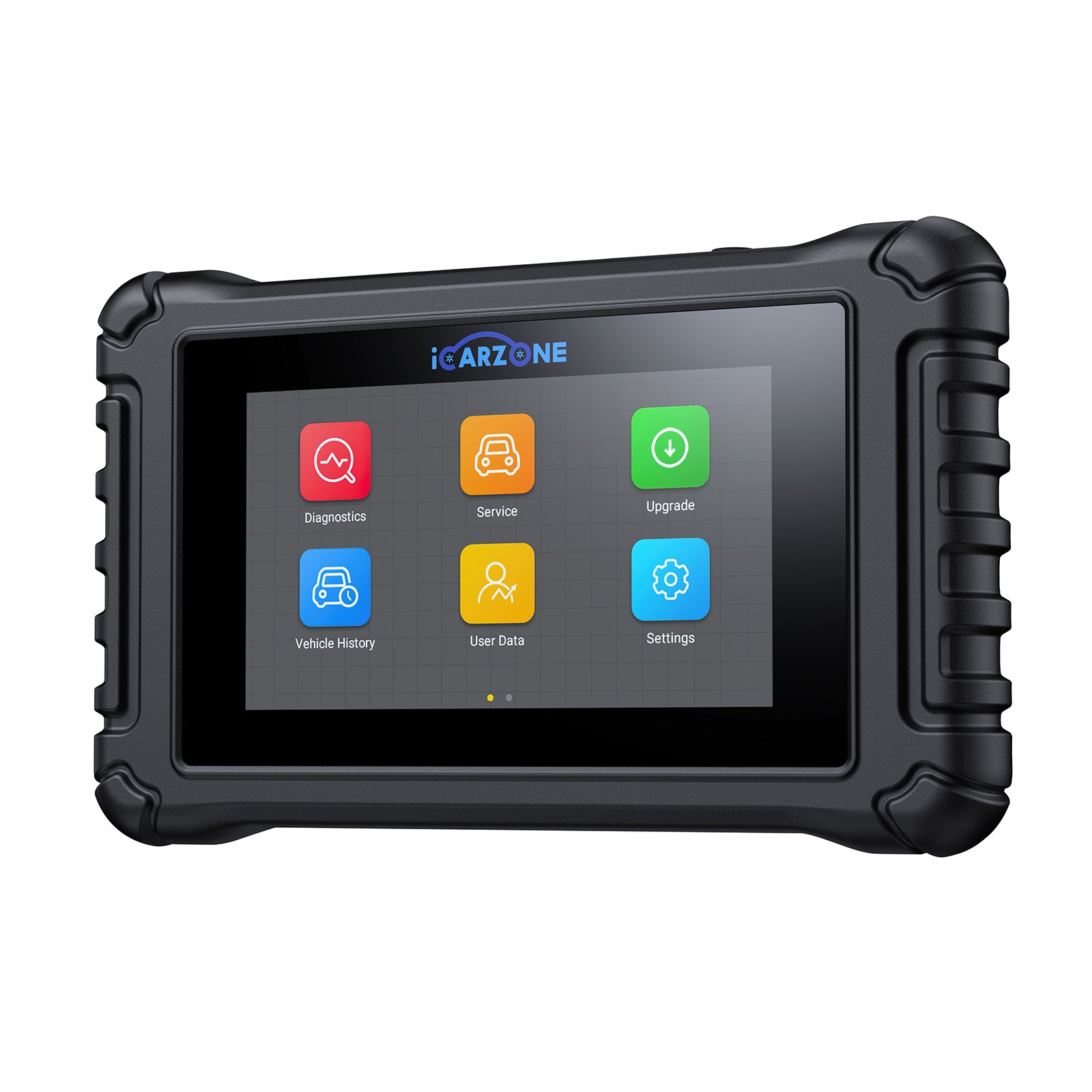
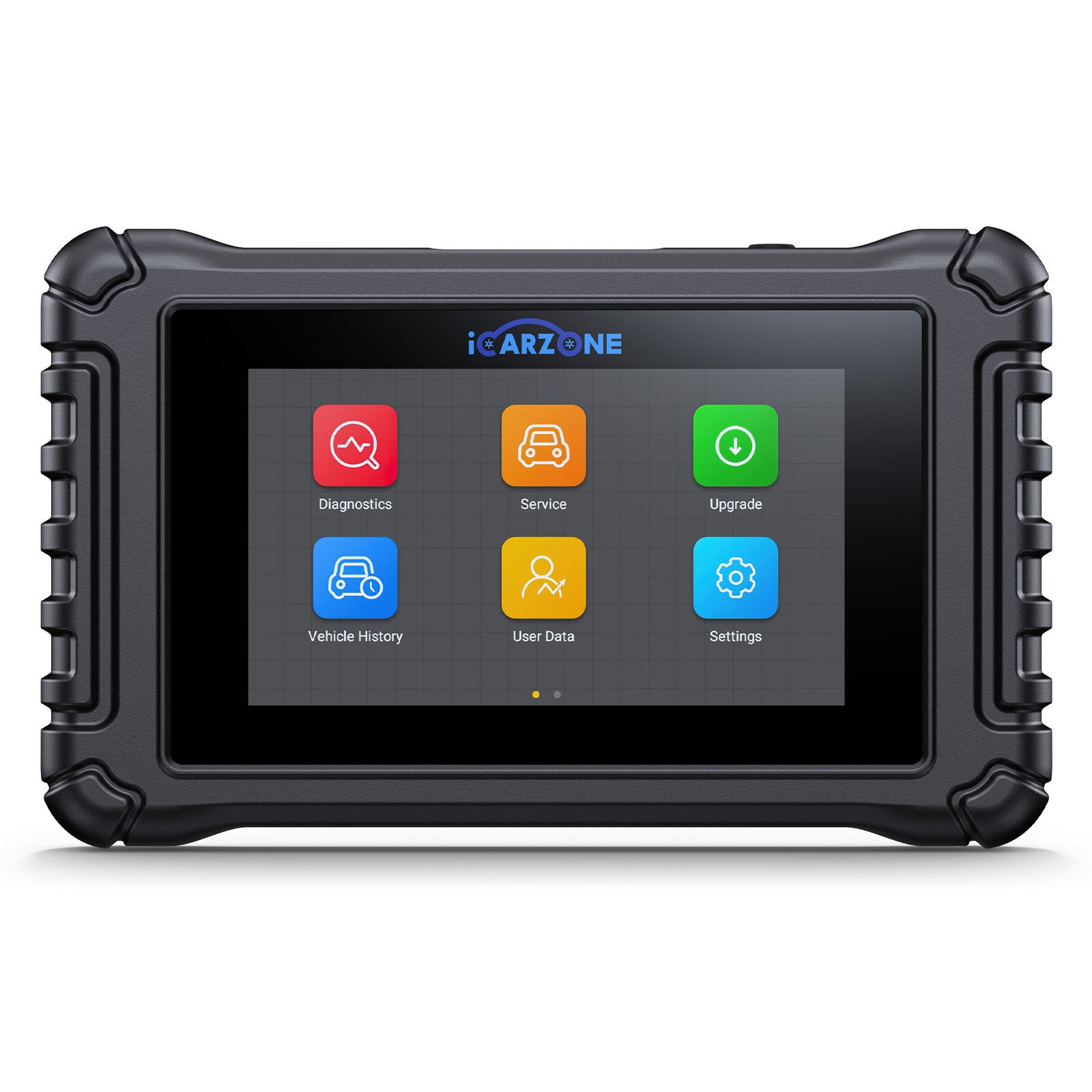
UR800 checks timer values, battery voltage, and software versions to identify whether P2610 is from software, electrical, or ECM hardware issues.
Typically 150,000–200,000 miles with proper voltage maintenance. Software updates extend functionality.
Yes—cold weather reduces battery performance, while heat accelerates connector corrosion, both triggering P2610.
10. Summary
P2610 (ECM/PCM Internal Engine Off Timer Performance) is an electrical code in Ford F-150 EcoBoost models, causing battery drain and post-shutdown issues. Using the UR800 diagnostic tool—with its ECM parameter checks, voltage monitoring, and software version verification—allows accurate diagnosis of whether the issue is software-related, electrical (battery/connectors), or requires ECM replacement. Most cases resolve with software updates, battery service, or connector cleaning. Promptly fixing P2610 ensures reliable ECM operation and prevents costly starting system damage.
Diagnose P2610 with UR800
UR800 provides ECM timer testing, software version checks, and voltage monitoring to quickly identify whether P2610 is caused by software glitches, electrical issues, or hardware failure—saving time and avoiding unnecessary ECM replacement.
Order UR800 Today